.png)
The Psychology of Winning: How Casinos Play with Your Mind
Casinos have long been associated with glamour, excitement, and the tantalizing possibility of a life-changing win. But beneath the surface of flashing lights and ringing slot machines lies a highly calculated environment engineered to keep players coming back for more. The psychology of winning in casinos is a fascinating interplay between human behavior and deliberate design. This article explores the many ways casinos subtly manipulate your mind, the science behind their strategies, and how understanding these tactics can help you make smarter choices when you play.
The Allure of the Casino Environment
From the moment you step inside a casino, you are enveloped in a sensory experience unlike any other. This is no accident. Everything, from the lighting to the soundscape, is designed to maximize excitement and minimize your awareness of time and losses.
Casinos often use bright lights and vivid colors, especially reds and golds, which have been shown in psychological studies to stimulate excitement and energy. The constant chime of slot machines, punctuated by celebratory noises, creates an atmosphere of perpetual winning—even if most players are losing. Studies have found that ambient noise at around 70 decibels, typical of most casinos, increases risk-taking behavior.
Moreover, the layout of a casino is deliberately confusing. There are rarely clocks or windows, making it easy to lose track of time. According to a 2013 study published in the Journal of Neuroscience, people lose their sense of time in environments with no natural markers—exactly what casino architects are counting on. The maze-like arrangement of gaming tables and machines encourages wandering, exposing guests to more opportunities to play.
Near-Misses and the Illusion of Control
One of the most powerful psychological tricks casinos use is the near-miss effect. Slot machines are programmed so that near-wins—such as two matching symbols and a third just off—occur more frequently than true wins. Research by Dr. Luke Clark at the University of Cambridge found that near-misses activate the same reward centers in the brain as actual wins, motivating players to keep playing in hopes of a real victory.
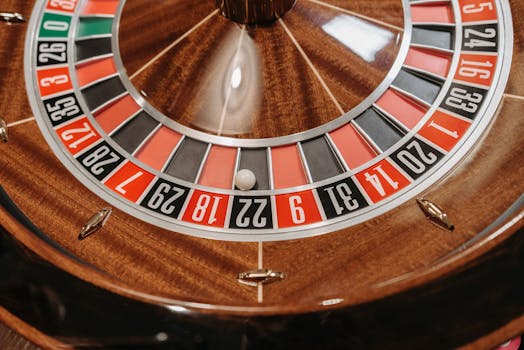
This effect is amplified by the illusion of control. Table games like craps or roulette often allow players to roll dice or spin the wheel, giving a false sense of influence over a fundamentally random outcome. A 2002 study at the University of Warwick demonstrated that gamblers are more likely to bet higher amounts when they believe their actions affect the result, even when the game is chance-based.
Reward Systems and Variable Reinforcement
Casinos rely heavily on the psychological principle of variable reinforcement—rewards given at unpredictable intervals. This mechanism is known to be among the most addictive, as famously demonstrated in B.F. Skinner’s experiments with pigeons in the mid-20th century. The unpredictability of wins keeps players engaged far longer than regular, predictable rewards.
Slot machines epitomize this effect. The payout rate, or Return to Player (RTP), usually ranges from 85% to 98%, but is structured to deliver intermittent small wins and occasional big jackpots. According to the American Gaming Association, the average slot machine player spends about $120 per visit, and most of that money is wagered back into the machine after small wins.
Loyalty programs add another layer to the reward system. By offering points, “comps,” or free drinks and meals, casinos tap into our desire to feel valued and special. These perks often encourage longer stays and repeat visits. A 2019 report by Las Vegas Convention and Visitors Authority noted that 79% of casino visitors participated in loyalty programs, demonstrating their widespread appeal and effectiveness.
Anchoring, Sunk Cost Fallacy, and Denomination Illusion
Casinos also exploit several cognitive biases:
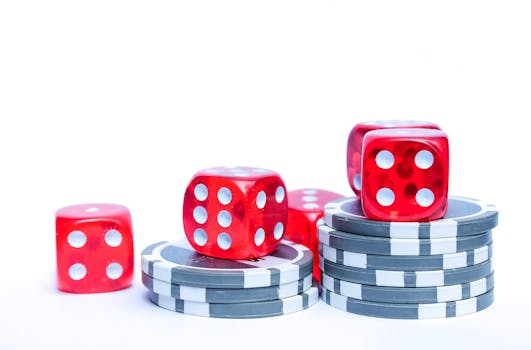
- Anchoring: When players see large jackpots or high table limits, it sets a mental reference point. Betting $10 per hand feels smaller when compared to a $10,000 jackpot. - Sunk Cost Fallacy: After losing money, players may feel compelled to keep playing to “win it back,” throwing good money after bad. A 2014 study in the Journal of Gambling Studies found that 41% of frequent gamblers reported chasing losses due to this fallacy. - Denomination Illusion: Using chips or credits instead of cash makes it easier to lose track of spending. Research by Professor Natasha Dow Schüll at MIT found that gamblers wagered up to 30% more when playing with chips than with real money.These biases combine to make it easier for players to part with their money—and harder to walk away.
Comparing Casino Tactics: How Different Games Hook Players
Not all casino games are equally addictive or psychologically manipulative. Some games are specifically designed to maximize engagement and time spent playing. The following table highlights the key psychological tactics used in popular casino games:
| Game Type | Main Psychological Tactics | Average House Edge | Average Session Time |
|---|---|---|---|
| Slot Machines | Near-misses, sensory stimuli, variable rewards, denomination illusion | 5% - 15% | 2-3 hours |
| Blackjack | Illusion of control, social interaction, skill element | 0.5% - 2% | 1-2 hours |
| Roulette | Anchoring (big payouts), illusion of control (player chooses numbers) | 2.7% - 5.26% | 1-1.5 hours |
| Poker | Social dynamics, skill vs. luck, bluffing excitement | Varies (rake or fee-based) | 2-4 hours |
This comparison shows that slot machines are the most heavily engineered for addictive play, combining multiple psychological levers with a high house edge and long play times.
Responsible Gaming and Awareness
Understanding the psychological tactics used by casinos is not just interesting—it’s crucial for responsible gambling. Problem gambling affects approximately 2-3% of the adult population in the U.S., according to the National Council on Problem Gambling, and costs society an estimated $6 billion annually in social and economic damages.
Many casinos now offer self-exclusion programs, gambling limit tools, and visible helplines as part of their responsible gaming initiatives. However, awareness and education remain the best defenses against manipulation. By recognizing the signs of psychological influence—such as the urge to chase losses or play longer than intended—players can set limits and enjoy gambling as a form of entertainment, not a path to wealth.
Conclusion
Casinos are expertly designed environments that leverage the latest psychological research to keep players engaged, hopeful, and spending. By understanding the environment, reward systems, cognitive biases, and game-specific tactics, players can better protect themselves from the subtle manipulations that drive excessive gambling. Awareness is the first step toward responsible play and enjoying casinos as they were meant to be: places of excitement, not regret.