The Truth About Luck-Based Casino Games: Unpacking the Odds and Realities
For centuries, casino games have captivated the imaginations of players around the world. The dazzling lights, spinning reels, and the thrilling anticipation of a big win all contribute to the allure of gambling. At the heart of this attraction lies a central question: how much of casino gaming is truly about luck? In this article, we’ll uncover the real nature of luck-based casino games, separating fact from myth, and providing a clear-eyed view of what players can expect when they place their bets.
Understanding Luck-Based Casino Games: Defining the Basics
To start, it’s important to clarify what is meant by a “luck-based” casino game. These are games in which the outcome is determined almost entirely by chance, rather than by player skill or strategy. Classic examples include slot machines, roulette, baccarat, keno, and many lottery-style games. While some casino games, such as poker or blackjack, blend elements of skill and chance, pure luck-based games offer players little or no control over the final result.
The prevalence of luck-based games is staggering. According to a 2022 report by the American Gaming Association, slot machines alone account for over 60% of total casino revenues in the United States. Roulette and baccarat, both games with minimal skill involvement, consistently rank among the most popular table games worldwide.
.png)
The Mathematics Behind Luck-Based Games: Odds, RTP, and House Edge
A critical aspect of luck-based games is the mathematical structure that governs them. Every casino game is designed around probabilities—specifically, the likelihood of certain outcomes occurring.
Three key concepts are essential to understanding these games:
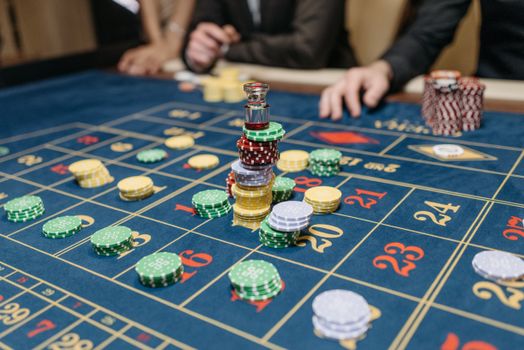
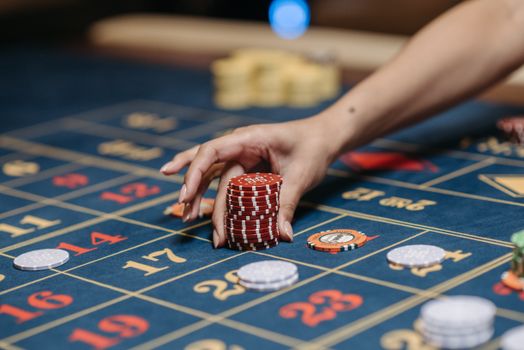
- Odds: The ratio of winning versus losing outcomes. - RTP (Return to Player): The percentage of total money wagered that a game will pay back to players over time. - House Edge: The statistical advantage the casino holds over players, expressed as a percentage.For instance, American roulette features 38 pockets (1-36, 0, and 00). If you bet on a single number, your odds of winning are 1 in 38 (about 2.63%). The house edge for American roulette is 5.26%. European roulette, with only a single zero, lowers the house edge to 2.7%.
Slot machines’ RTP can range from 85% to 98%, depending on the game and jurisdiction. A slot with a 95% RTP will, on average, pay back $95 for every $100 wagered—but this is calculated over millions of spins, not a single session. The house edge, in this case, would be 5%.
Chance Versus Control: Player Influence in Luck-Based Games
One of the defining features of luck-based casino games is the minimal control players have over outcomes. Unlike skill-based games—where decisions such as card counting in blackjack or bluffing in poker can shift the odds—luck-based games rely on random number generators (RNGs) or physical randomness (such as a spinning roulette wheel or a shuffled deck).
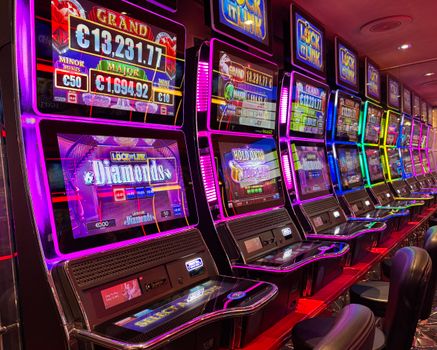
Let’s consider slot machines. Modern slots use complex RNG software that cycles through billions of number combinations per second. When a player presses the “spin” button, the RNG determines the outcome instantly. There is no way to predict or influence the result. Similarly, in keno or lottery games, the numbers drawn are entirely random.
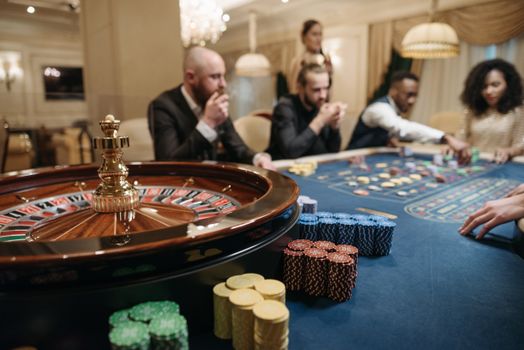
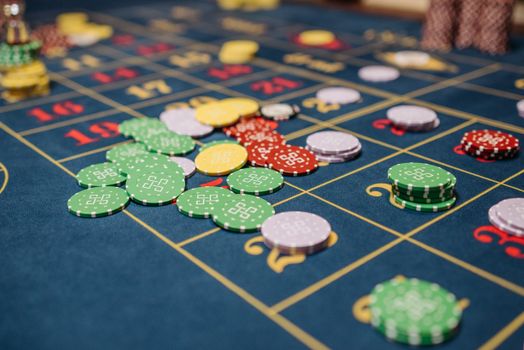
Roulette offers slightly more player agency, as players can choose different types of bets—straight (single number), split (two numbers), red/black, even/odd, etc.—but the underlying odds and house edge remain unchanged. No strategy can overcome the mathematical advantage built into the game.
Below is a comparative table illustrating the level of player influence, house edge, and RTP across several popular luck-based games:
| Game | Player Control | House Edge | Average RTP |
|---|---|---|---|
| Slot Machines | None | 2%–15% | 85%–98% |
| Roulette (American) | Minimal | 5.26% | 94.74% |
| Roulette (European) | Minimal | 2.7% | 97.3% |
| Baccarat | Minimal | 1.06% (Banker bet) | 98.94% |
| Keno | None | 20%–35% | 65%–80% |
The Psychological Appeal: Why Luck-Based Games Are So Popular
Despite the mathematical disadvantage stacked against players, luck-based games remain incredibly popular. Why? The answer lies in human psychology.
1. $1 Luck-based games deliver immediate outcomes. A single spin or draw can result in a win or loss within seconds, triggering a rush of excitement that keeps players engaged. 2. $1 Many players believe that certain rituals—such as rubbing a slot machine, choosing "lucky" numbers, or playing at specific times—can influence the result. In reality, these actions have no effect, but they provide a sense of participation and control. 3. $1 The unpredictable nature of wins, especially in games with variable payouts (like slots), activates the brain’s reward system. Research published in the journal Neuron in 2017 showed that unpredictable rewards stimulate dopamine release, reinforcing the desire to keep playing. 4. $1 Unlike poker or blackjack, luck-based games require no special knowledge or learning curve. Anyone can sit down at a slot or roulette table and start playing immediately.Consider this: In Las Vegas, over 200,000 slot machines are in operation at any given time, and approximately 60% of all casino visitors play them. This ease of access, combined with the psychological hooks of these games, drives their enduring appeal.
Myths and Misconceptions About Luck-Based Casino Games
There is no shortage of myths surrounding luck-based casino games, many of which can distort players’ understanding of their chances.
- $1 Some believe a slot that hasn’t paid out recently is “due” for a win. In reality, each spin is independent and random; previous outcomes have no bearing on future results. - $1 Whether it’s picking birthdays in keno or favorite numbers in roulette, the odds remain unchanged regardless of the numbers chosen. - $1 Strategies like the Martingale (doubling your bet after each loss) are popular but do not alter the house edge. While such systems may create short-term wins, they can lead to exponential losses and are risky due to table limits and bankroll constraints. - $1 The idea that certain times of day are “luckier” is unfounded. Casino games are designed to operate randomly at all times.According to a 2020 survey by the UK Gambling Commission, 23% of regular casino players believed they could influence outcomes in luck-based games—an enduring misconception.
Realistic Expectations: What Players Should Know Before Playing
Understanding the realities of luck-based casino games is crucial for responsible gambling. Here are some key takeaways:
1. $1 Whether it’s slots, roulette, or keno, the house edge ensures the casino will profit in the long run. 2. $1 You may experience hot streaks or big wins, but these are due to variance, not skill or strategy. 3. $1 Treat luck-based games as a form of entertainment, not a way to get rich. In 2023, the average annual loss per American casino gambler was $400, according to Statista. 4. $1 Decide in advance how much you are willing to spend, and never chase losses. 5. $1 Familiarize yourself with the odds, house edge, and RTP of the games you play. This knowledge can help manage expectations and prevent disappointment.Final Thoughts on the Truth About Luck-Based Casino Games
Luck-based casino games offer excitement, suspense, and the tantalizing possibility of a big win. However, it’s important to approach these games with clear expectations and an understanding of the underlying mathematics. The odds are always in favor of the house, and no amount of ritual, superstition, or betting system can change that.
By being aware of the realities—how games are structured, the limits of player control, and the psychological factors at play—gamblers can make informed decisions and enjoy the entertainment value of casino gaming without falling prey to common myths.