Can Visualization Techniques Improve Your Casino Luck? Exploring the Mind’s Role in Gambling Success
From professional athletes to high-powered executives, successful people often credit visualization techniques for their achievements. But can these same mental tools help you win more often at the casino? For centuries, gamblers have searched for ways to tilt the odds in their favor, from complex betting systems to lucky charms. Recently, the idea of harnessing the mind’s power through visualization has become increasingly popular among casino enthusiasts. But does “seeing” yourself win actually influence your luck at the gaming tables or slots, or is it just wishful thinking? In this article, we dive deep into the science and psychology behind visualization, investigate whether these techniques can truly improve your casino luck, and offer practical tips for anyone curious to try.
Understanding Visualization: How Does It Work?
Visualization, sometimes called mental imagery or mental rehearsal, is a cognitive process where you create vivid, detailed mental pictures of an event or outcome you desire. This technique has roots in sports psychology, where studies show athletes who mentally rehearse their performance can improve their actual results. According to a 2016 study published in the journal “Neuropsychologia,” mental imagery activates many of the same neural pathways as physical practice, essentially “training” your brain for the real event.
.png)
But how does this relate to gambling? When players visualize a successful outcome—like hitting a jackpot or making a perfect blackjack hand—they may boost their confidence, focus, and emotional control. These psychological factors can indirectly influence decision-making and performance, especially in games that require skill or strategy.
However, it’s important to note that visualization cannot physically alter the randomness of games of chance. Slot machines, roulette wheels, and shuffled decks are governed by strict mathematical probabilities and, in modern venues, by random number generators (RNGs). Visualization won’t change the outcome, but it may change how you approach the game.
Visualization Techniques: What Do Gamblers Actually Do?
Visualization for gambling can take several forms. Some casino players engage in brief “pre-play rituals,” closing their eyes and picturing themselves winning, handling chips, or hearing the sounds of a jackpot. Others use more structured visualization exercises, such as:
- Guided Imagery: Listening to audio or following scripts that guide you through a scene of casino success, focusing on sights, sounds, and feelings. - Affirmation Visualization: Combining positive statements (“I am lucky today,” “I make smart bets”) with mental images of winning. - Outcome Visualization: Clearly picturing a specific goal, such as drawing a winning poker hand or watching the roulette ball land on your number. - Process Visualization: Mentally rehearsing the steps you’ll take during play—counting chips, reading opponents, managing your bankroll.According to a 2020 survey by Casino.org, about 19% of regular casino visitors reported using some form of visualization or “mental preparation” before gambling. Interestingly, this percentage was higher among poker players (27%) and sports bettors (22%) than among slot machine players (11%).
Scientific Evidence: Can Visualization Change Gambling Outcomes?
While the benefits of visualization in sports and performance settings are well-documented, the evidence for its impact on casino gambling is less clear. Most casino games are games of pure chance, where skill and mental state have no effect on the outcome. However, in skill-based games like poker or blackjack, psychology and decision-making play a larger role.
A 2019 study from the University of Nevada examined 150 amateur poker players over three months. Those who practiced daily visualization reported higher confidence and reduced anxiety at the tables. More importantly, their average winnings increased by 8% compared to a control group. Researchers attribute this improvement to better emotional regulation and strategic thinking, rather than any supernatural influence.
In contrast, a 2021 experiment with slot machine players found no significant difference in outcomes between those who used visualization techniques and those who didn’t. The randomness of slots—a purely chance-based game—renders mental strategies ineffective for actually changing results.
Here’s an overview comparing visualization’s potential impact on different casino games:
| Casino Game | Role of Skill | Potential Impact of Visualization |
|---|---|---|
| Poker | High | Can improve focus, bluffing, emotional control |
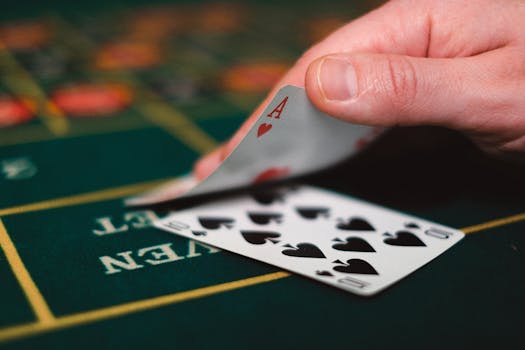
| Blackjack | Moderate | May help with confidence and sticking to strategy |
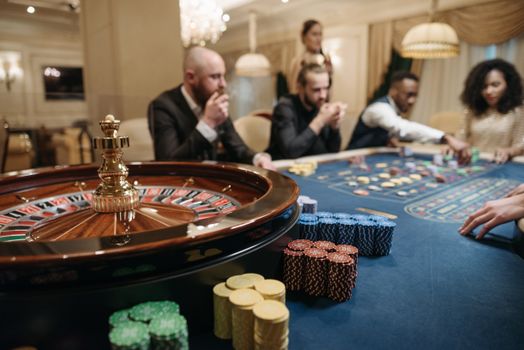
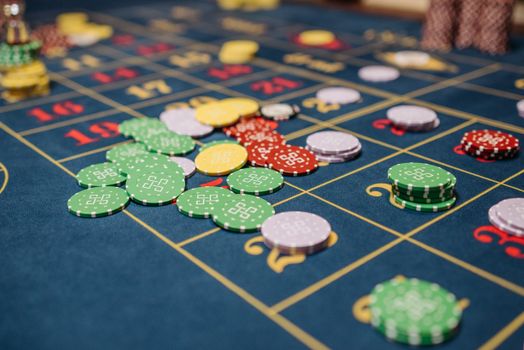
| Roulette | Low | Unlikely to affect outcome; may help manage emotions |
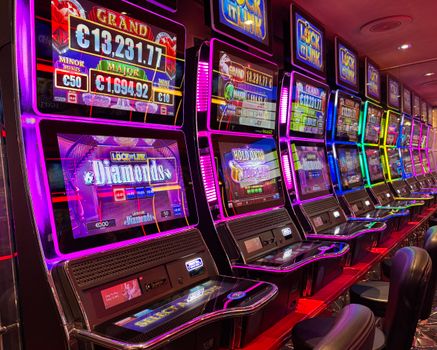
| Slot Machines | None | No impact on outcome, may boost enjoyment |
| Sports Betting | High | Can enhance decision-making and discipline |
The Psychology of Luck: Belief, Confidence, and Behavior
Why do so many gamblers turn to visualization, even when the odds are fixed? The answer lies in the psychology of luck. According to a 2018 Gallup poll, 50% of American adults admit to being at least “somewhat superstitious,” especially in high-stakes situations. Visualization fits into this pattern as a “mental superstition,” giving players a sense of control over unpredictable outcomes.
There’s also a powerful placebo effect at work. When you believe you’re lucky or mentally prepared, you often behave more confidently and make bolder choices. Studies in the Journal of Behavioral Decision Making have found that people who think they’re lucky take more calculated risks and are less likely to panic after losses.
Visualization may also help players avoid common gambling pitfalls, such as “tilt” (emotional frustration leading to bad decisions) or “chasing losses.” By mentally rehearsing calm, strategic play, gamblers are better prepared for inevitable ups and downs.
Practical Visualization Exercises for Casino Players
If you’re interested in trying visualization to enhance your casino experience, here are a few practical steps:
1. Set a Realistic Intention: Before you start playing, spend a few minutes visualizing not just winning, but also making smart decisions, managing your bankroll, and enjoying the process. Focus on behaviors you can control. 2. Use All Your Senses: Imagine the sights, sounds, and even the physical sensations of playing well. The more vivid your mental imagery, the more powerful the effect. 3. Rehearse Handling Ups and Downs: Visualize how you’ll react to both wins and losses with calm and composure. This prepares your mind to stay balanced, no matter what the outcome. 4. Combine Visualization with Strategy: For games involving skill, mentally walk through your strategy. Picture yourself reading other players, making the right calls, or sticking to your betting limits. 5. Practice Regularly: Like any mental skill, visualization gets stronger with practice. Spend a few minutes each day visualizing before your next casino session.Common Misconceptions and Pitfalls
It’s easy to misunderstand what visualization can and can’t do. Here are some common myths:
- “If I visualize winning, I’ll win more often.” Visualization cannot alter random outcomes. It’s a psychological tool, not a magic spell. - “Visualization replaces strategy.” For skill-based games, visualization should complement—not replace—solid strategy and knowledge. - “It only works for professionals.” Anyone can use visualization, regardless of experience level. Even casual players may find it helps them enjoy the game more and avoid reckless play. - “I’ll never lose if I visualize success.” Losses are part of gambling. Visualization can help you handle them better, but it can’t prevent them.A 2022 survey by the American Gaming Association found that 61% of gamblers who used mental techniques like visualization said they felt more in control of their gaming, but only 14% reported consistently winning more as a result. This suggests the primary benefit is psychological, not financial.
Final Thoughts: Can Visualization Make You Luckier in the Casino?
So, can visualization techniques improve your casino luck? The answer depends on what you mean by “luck.” If you define luck as changing the mathematical odds of a game, visualization has no effect. Slot machines, roulette wheels, and dice games remain as random as ever.
But if you think of luck as a combination of preparation, confidence, and mindset, visualization can absolutely help. For skill-based games like poker and blackjack, visualization may improve your emotional control, focus, and strategic decisions—factors that can subtly influence your results. Even for games of pure chance, visualization can enhance your enjoyment and help you manage the psychological ups and downs of gambling.
In the end, visualization is not a secret weapon for beating the house, but it can be a valuable mental tool to make your casino experience more positive, focused, and fun. As with all gambling, remember to play responsibly—and let visualization be part of a well-rounded approach to luck.