Why We Chase Losses: The Sunk Cost Fallacy in Gambling
Gambling is a world of excitement, hope, and risk, but beneath the blinking lights and spinning reels lies a subtle psychological trap that ensnares even the most rational players. This trap is known as the sunk cost fallacy, a cognitive bias that pushes us to chase losses, throwing good money after bad in hopes of turning the tide. But why are gamblers—both newcomers and veterans—so prone to this irrational behavior? And what makes the sunk cost fallacy so powerful in the context of gambling? In this article, we’ll explore the psychology behind chasing losses, the role of the sunk cost fallacy, real-world statistics, and strategies to break free from its grip.
Understanding the Sunk Cost Fallacy: What It Is and Why It Matters
The sunk cost fallacy is the human tendency to continue investing time, money, or effort into a decision based on what has already been spent, rather than on future benefits. In gambling, this means chasing losses because you’ve already lost a significant amount and hope to recover it, instead of recognizing that past losses are irretrievable.
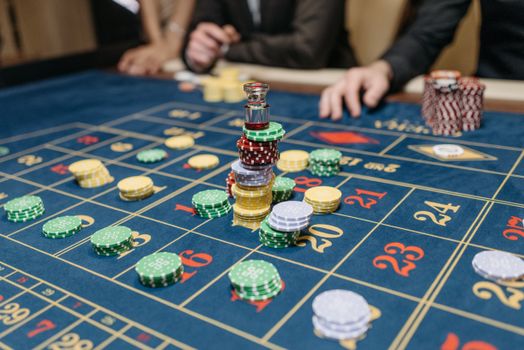
Consider this scenario: you’ve spent $200 at the roulette table and lost it all. Instead of walking away, you rationalize placing another $50 bet, thinking, “I can win it back and break even.” This thinking is flawed—statistically, each spin is independent, and previous losses do not influence future outcomes. Yet the pain of accepting losses makes it difficult to disengage.
.png)
A 2021 survey by the UK Gambling Commission found that 34% of regular gamblers admitted to chasing losses at least once in the past year. This widespread behavior isn’t just a matter of poor decision-making—it’s rooted deeply in how our brains process loss and commitment.
Why Our Brains Struggle with Loss: The Psychology Behind Chasing Losses
The drive to chase losses is more than just stubbornness; it’s tied to fundamental psychological principles like loss aversion and emotional investment.
Loss aversion, a key concept in behavioral economics, suggests that the pain of losing is psychologically about twice as powerful as the pleasure of winning. Thus, losing $100 feels much worse than winning $100 feels good. This makes losses loom large in a gambler’s mind, triggering a strong urge to recover them.
Additionally, the act of gambling creates an emotional investment. Each bet, win, or loss is accompanied by a surge of dopamine—a neurotransmitter associated with pleasure and reward. When losses mount, the desire to “get even” becomes overwhelming, leading to impulsive decisions.
According to a 2022 study published in the journal “Addictive Behaviors,” gamblers who chase losses exhibit heightened emotional responses, including increased frustration and anxiety, which further impairs judgment. This emotional spiral makes it even harder to break the cycle of chasing losses.
The Sunk Cost Fallacy in Action: Examples from the Casino Floor
To see the sunk cost fallacy in action, look no further than the stories gamblers tell after a long night on the casino floor. Here are two real examples, illustrating how the fallacy plays out:
Example 1: Slot Machines A player starts with $100, intending to play conservatively. After a string of losses, their bankroll shrinks to $20. Instead of quitting, they decide to increase their bet size, reasoning that a bigger win could recover their losses. Unfortunately, the odds don’t change, and the player ends up losing everything.
Example 2: Poker Tables A seasoned poker player has been losing steadily over several hours. Despite recognizing that they’re not playing their best, they refuse to leave the table, thinking, “I’ve come this far—I can’t walk away now.” This commitment to recouping losses leads to riskier plays and, often, even greater losses.
These scenarios are not isolated. Research from the National Council on Problem Gambling indicates that approximately 22% of problem gamblers cite chasing losses as the primary reason for their gambling difficulties.
Comparing the Sunk Cost Fallacy in Gambling vs. Other Life Decisions
While the sunk cost fallacy is common in gambling, it also appears in other areas of life: relationships, investments, even everyday purchases. But why does it feel especially powerful at the casino?
The table below compares the sunk cost fallacy in gambling, investing, and personal relationships:
| Context | Typical Scenario | Common Outcome | Emotional Drivers |
|---|---|---|---|
| Gambling | Continuing to bet after losses, hoping to recover money | Greater financial losses | Loss aversion, excitement, shame, hope |
| Investing | Holding onto a losing stock because of past investment | Missed opportunities, potential for larger losses | Loss aversion, optimism bias, regret |
| Personal Relationships | Staying in an unhealthy relationship due to time invested | Emotional exhaustion, missed happiness | Commitment, fear of regret, social pressure |
The intensity of emotions and the rapid feedback loop in gambling—wins and losses happen within seconds—make the sunk cost fallacy more immediate and harder to resist compared to other life decisions.
Real-World Impact: Statistics and Social Costs of Chasing Losses
Chasing losses doesn’t just hurt gamblers individually; it has broad social and economic consequences. According to the Gambling Commission, UK gamblers lost a staggering £14.2 billion in 2023, with problem gambling rates estimated at 0.5% of the adult population.
A 2020 study by the American Gaming Association found that 26% of casino gamblers reported chasing losses during their gambling sessions. Among these, problem gamblers were nearly four times more likely to chase losses than recreational gamblers.
Financial distress is a common outcome. A survey by GamCare (a UK gambling support charity) revealed that 38% of callers to their helpline mentioned chasing losses as a factor in their debt problems. The ripple effects touch families, communities, and even public health systems due to increased demand for mental health and addiction services.
Can You Outsmart the Sunk Cost Fallacy? Strategies to Break the Cycle
Breaking free from the sunk cost fallacy is challenging, but not impossible. Here are several evidence-based strategies:
1. Set Strict Limits—Before you gamble, set a budget for losses and stick to it, no matter what happens. According to the Responsible Gambling Council, players who set loss limits are 60% less likely to experience gambling-related harm. 2. Practice Mindfulness—Being aware of your emotional state can help you recognize when you’re chasing losses. Studies show that mindfulness-based interventions reduce impulsive gambling behaviors by up to 23%. 3. Focus on Future Outcomes—Shift your mindset from recouping past losses to making decisions based on future prospects. Remind yourself that previous bets are gone and shouldn’t influence your next move. 4. Take Frequent Breaks—Stepping away from the game, even briefly, can reduce emotional intensity and restore rational thinking. Research published in “Psychology of Addictive Behaviors” found that regular breaks reduce the likelihood of chasing losses by 18%. 5. Seek Support—If you find it difficult to stop chasing losses, consider reaching out to support organizations like Gamblers Anonymous or national helplines. Early intervention can prevent more serious problems down the line.Conclusion: Recognizing and Resisting the Sunk Cost Trap
The sunk cost fallacy is a powerful psychological force that keeps gamblers tethered to losing streaks, driven by the hope of reversing fortunes and the pain of walking away empty-handed. Understanding why we chase losses—and recognizing that past losses cannot be recovered by future bets—is the first step toward healthier gambling habits. By setting limits, staying mindful, and focusing on future decisions rather than past investments, gamblers can break the cycle and protect both their finances and well-being.
Whether you’re a casual player or someone who’s struggled with chasing losses, remember: every bet is a new decision, and the smartest play is knowing when to walk away.