Poker is a game that has captured the imagination of millions, evolving far beyond the smoky backrooms and bustling casinos of decades past. Today, the game thrives both on the green felt tables of live poker rooms and on digital screens around the world. But what exactly separates live poker from its online counterpart, and which version should you choose for your own poker journey? Understanding the core differences can help you tailor your experience to your personality, goals, and playing style.
The Core Differences: Live Poker vs. Online Poker
At first glance, poker is poker—whether played in-person or online, it's the same basic game. Yet, the environment, dynamics, and even strategies can differ dramatically between live and online formats. Here are some fundamental differences:
1. $1 Live poker is much slower. In a traditional casino, you’ll see about 25-30 hands per hour at a full table. Online poker, by contrast, can deal 60-100 hands per hour at a single table—and many online players play multiple tables at once. 2. $1 Online poker attracts a massive, global player base. This can lead to stiffer competition, especially at higher stakes, but also provides an abundance of beginner-friendly low-stakes games. Live games, while featuring more social interaction, often include more recreational players, especially in lower-stakes cash games. 3. $1 Live poker gives you the chance to read physical tells—nervous gestures, betting patterns, or subtle expressions. Online, you’re limited to betting behavior, timing, and stats, making the psychological aspect subtler but not absent. 4. $1 Online poker is available 24/7, anywhere with a reliable internet connection. Live poker requires travel to a casino, home game, or card room, and is subject to their hours and availability.Comparative Table: Key Aspects of Live vs. Online Poker
| Aspect | Live Poker | Online Poker |
|---|---|---|
| Hands per Hour | 25-30 | 60-100 (per table) |
| Player Interaction | Face-to-face, social | Anonymous, chat-based |
| Locations | Casinos, card rooms | Anywhere with internet |
| Game Variety | Limited, depends on venue | Extensive, multiple formats & stakes |
| Atmosphere | Physical, immersive | Virtual, screen-based |
| Average Pot Size | Often larger at small stakes | Can be smaller, but more frequent |
| Rake (House Fee) | Typically higher (5-10%) | Generally lower (3-6%) |
Speed, Volume, and Multitabling: The Online Edge
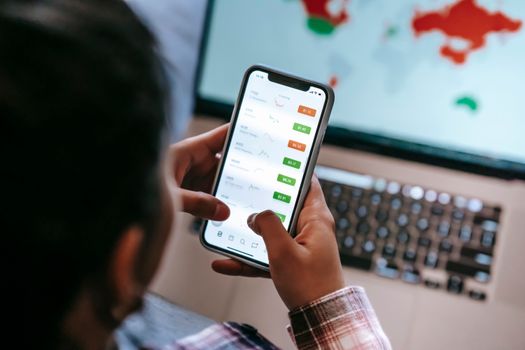
One of the most striking differences between live and online poker is the sheer speed of the game. Online platforms use automated dealers and instant shuffling, which drastically reduces downtime between hands. This allows for a much higher hand volume—critical for players wanting to build experience, clear bonuses, or pursue long-term profitability.
.png)
Consider this: A full-time online grinder might play 8 tables at once, seeing over 500 hands per hour. In contrast, even a marathon live poker session rarely delivers more than 300 hands in total. For mathematically-minded players or those working to refine their game quickly, online poker offers an undeniable advantage.
However, this speed brings its own challenges. Decisions must be made quickly, and the lack of physical tells means you’re relying on data, betting patterns, and sometimes software aids like hand trackers. The pace can be intimidating for new players, but it’s also a powerful tool for accelerating skill development.
Atmosphere and Social Experience: The Live Poker Appeal
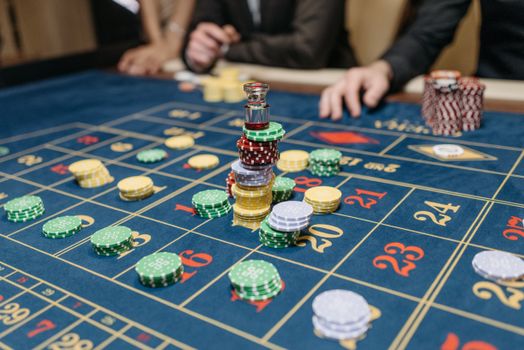
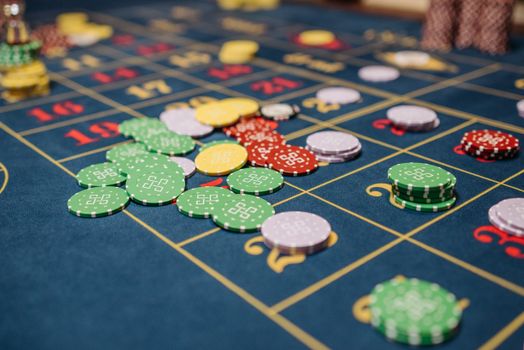
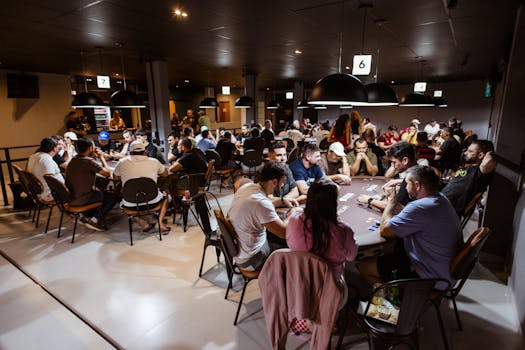
While online poker dominates in terms of convenience and volume, live poker provides a unique, immersive atmosphere that no digital platform can truly replicate. The hum of a busy poker room, the clatter of chips, and the face-to-face interaction with opponents create an environment rich in tradition and excitement.
Live poker is as much about the social connection as it is about strategic play. Many players relish the opportunity to engage with others, share stories, and read subtle body language cues that can hint at strength or weakness. For those who thrive on human interaction or who enjoy the ritual of “going to play poker,” the live experience is irreplaceable.
There’s also the psychological dimension: live poker often sees more emotional play, with players reacting visibly to wins and losses. This can create opportunities for skilled players to exploit tells or tilt. Conversely, online anonymity tends to dampen these emotional swings, making for a more calculated and impersonal game.
Player Profiles: Who Thrives Where?
Not all poker environments are created equal, and certain personalities or skill sets may find themselves better suited to one format over the other.
- $1 Online poker, with its high hand volume and access to tracking software, is a haven for those who love crunching numbers and optimizing strategies. Players who enjoy dissecting hand histories, tracking win rates, and multi-tabling often excel online. - $1 If you enjoy reading people, engaging in table talk, and leveraging social cues, live poker could be your ideal arena. The ability to pick up on non-verbal information is a powerful tool in live settings. - $1 Live poker often involves higher minimum buy-ins, especially in casino settings. Online platforms offer micro-stakes games (as low as $0.01/$0.02 blinds), allowing for lower-risk experimentation and gradual bankroll building.A 2022 survey by the Poker Players Alliance found that about 62% of recreational players prefer live poker for the social experience, while 73% of professional or semi-professional players favor online play for its volume and convenience.
Game Variety, Stakes, and Availability
When it comes to sheer variety, online poker is hard to beat. Most major online sites run dozens of formats simultaneously: cash games, tournaments, sit-n-go’s, fast-fold variants, and even unique formats like Spin & Go or lottery-style tournaments. Stakes range from tiny micro limits to nosebleed high-roller tables.
Live poker, by contrast, is limited by the physical space and demand in a given venue. A typical casino might offer only a handful of tables at a time, often focusing on No-Limit Hold’em and Pot-Limit Omaha. Tournament schedules are fixed, and waiting lists for popular games can be long during peak hours.
This difference in availability can be crucial, especially for players outside major gaming hubs. Online poker is available 24/7, with hundreds of tables running at all stakes, making it far easier to find the game you want, when you want.
Rake, Promotions, and Long-Term Profitability
One often-overlooked difference is the cost of playing: the rake. This is the fee taken by the house from each pot or tournament entry. Online poker generally offers lower rakes due to reduced overhead; typical cash game rakes range from 3-6%, while live poker can take 5-10% of the pot with a capped maximum.
Additionally, online sites frequently offer rakeback deals, loyalty programs, and deposit bonuses, which can significantly boost your bottom line. According to Poker Industry Pro, online players can reclaim an average of 10-30% of their rake through such promotions.
Live poker, on the other hand, rarely offers these perks. Some casinos or card rooms may have high-hand jackpots or comp programs, but the value is often less substantial compared to online rewards.
Which Format is Right for You?
Choosing between live and online poker depends on your goals and preferences. If you’re looking for maximum convenience, rapid skill development, or high-volume play, online poker is a clear winner. It’s ideal for players who want to grind, experiment, and take advantage of promotions.
If, however, you crave the thrill of in-person competition, enjoy reading body language, or simply value the camaraderie of a poker room, live poker offers an experience online platforms can’t duplicate.
Many players ultimately blend both formats, using online poker for practice and volume while savoring the social and psychological dimensions of live play. The best approach is to try both and see which environment brings out the best in your game.