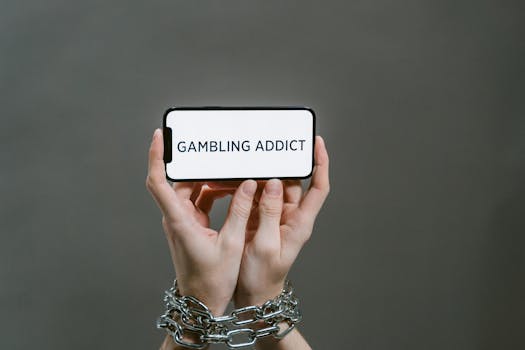
How Our Brain Tricks Us into Believing in Gambling Luck
Gambling has long been a seductive blend of risk and reward, enticing people with the allure of potential windfalls. Yet, the belief in gambling luck, often deeply ingrained in gamblers, defies the rational understanding that the outcomes are predominantly based on chance. This belief in luck can be traced back to several cognitive biases and psychological mechanisms inherent in human nature.
The Gambler’s Fallacy
.png)
A primary cognitive bias impacting gambling behavior is the gambler’s fallacy. This occurs when individuals mistakenly believe that previous outcomes affect future results in a purely random event. For instance, if a roulette wheel lands on black several times consecutively, a gambler might erroneously assume red is due next, despite each spin being independent. Similarly, after a losing streak, a gambler might feel a win is imminent, misinterpreting randomness for a pattern.
Illusion of Control
The illusion of control is another psychological trick that bolsters the belief in gambling luck. Many gamblers feel they can influence the results of chance-based games through specific actions, rituals, or strategies. Whether it’s blowing on dice, wearing a lucky shirt, or employing a betting system, these behaviors foster a false sense of influence over the game's outcome, which is, in reality, governed by chance.
Confirmation Bias
Confirmation bias further entrenches beliefs in luck. This bias leads gamblers to focus on and remember instances that support their beliefs about luck or winning strategies, while ignoring evidence to the contrary. If a player wins while holding a lucky charm, they might attribute the victory to the charm rather than acknowledging the randomness of the win, thus perpetuating the cycle of superstition and erroneous belief.
The Brain’s Reward System
Neurologically, gambling taps into the brain's reward system. Winning triggers a dopamine release, creating feelings of pleasure and satisfaction. This biochemical reaction can be so compelling that it emphasizes the memory of winning over losing, skewing perception of success and reinforcing the desire to continue gambling, often under the misguided belief in one's own lucky streak.
Social and Cultural Influences
Cultural portrayals and societal attitudes towards gambling also play a significant role in perpetuating beliefs in luck. Media representations, glamorous casino settings, and anecdotal tales of big wins contribute to the mystique of gambling luck. This societal reinforcement can make the notion of luck seem more credible than it actually is.
The Near-Miss Effect
Lastly, the near-miss effect plays a crucial role in the psychology of gambling. Experiencing a near-miss—such as two out of three matching symbols on a slot machine—can be almost as stimulating as winning. This phenomenon often convinces gamblers that they are close to winning, encouraging continued play under the false belief that success is just around the corner.
Rational Approaches to Gambling
Understanding these psychological underpinnings can help gamblers approach the activity with more critical thinking and self-awareness. Recognizing the randomness of games of chance and the fallacies behind supposed strategies or lucky charms is vital. Setting strict limits and adhering to a budget can mitigate potential losses and prevent gambling from escalating into a problem.
Conclusion
Our brains are intricately wired to find patterns and meaning in randomness, leading to persistent beliefs in gambling luck. By educating ourselves about the cognitive biases and psychological factors at play, we can demystify these beliefs, approach gambling more rationally, and ensure it remains a recreational activity rather than a misleading pursuit of fortune.