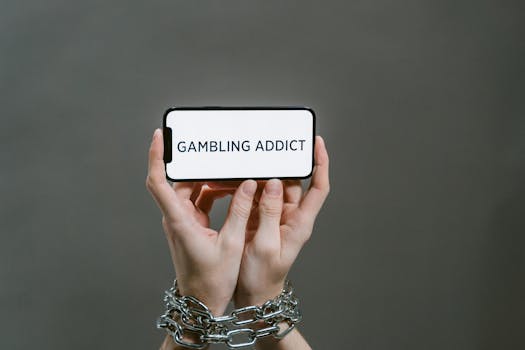
Gambling has been a popular pastime for centuries, captivating the minds of people with its blend of risk, reward, and the thrilling uncertainty of outcomes. But what is it about gambling that makes it so enticing? One significant factor is the concept of luck and how our brains perceive and react to it. Understanding this can provide insights into why gambling is appealing and why for some, it becomes problematic.
The human brain is wired to detect patterns and make sense of the world, even in situations where no real patterns exist. This tendency is at the core of how we perceive luck in gambling. When gamblers win, they often attribute their success to luck or a specific strategy, reinforcing a belief in their control over the game's outcome. This phenomenon is known as the 'illusion of control'. Gamblers might believe that they have a special strategy, lucky charm, or an ability to influence luck, which keeps them engaged and often leads them to gamble more frequently.
Another psychological concept at play is the 'gambler’s fallacy'. This is the belief that if something happens more frequently than normal during a given period, it will happen less frequently in the future, or vice versa. For example, if a coin is flipped and lands on heads five times in a row, the gambler’s fallacy would lead one to believe that tails is more likely to occur next. This fallacy can drive gamblers to continue playing longer than they might have otherwise, as they wait for their 'luck to turn'.
.png)
The brain's reward system also plays a crucial role in gambling. When a person gambles and wins, their brain releases dopamine, a neurotransmitter associated with pleasure and satisfaction. This dopamine release reinforces the gambling behavior, encouraging the gambler to repeat the action to experience further rewards. Over time, this can lead to habit formation and, in some cases, addiction, as the pursuit of gambling-related rewards becomes compulsive.
Moreover, the unpredictability associated with gambling can increase the allure. The human brain is intrigued by uncertain rewards, and gambling offers this unpredictability in abundance. Each bet provides a new opportunity for a potentially rewarding outcome, making the activity exciting and engaging. This unpredictability can often make gambling more appealing than other activities where the rewards are more predictable and less thrilling.
Social and cultural perceptions of luck also influence gambling behavior. In many cultures, being lucky is highly valued, and success in gambling can enhance a person's social status by portraying them as having favorable fortune. This cultural endorsement can encourage individuals to gamble more, hoping to be seen as lucky by their peers.
However, it's important to approach gambling with awareness of these psychological traps. Responsible gambling involves recognizing the role of luck and randomness in the outcomes and understanding that no amount of skill or strategy can guarantee success in games of chance. Setting limits on time and money spent gambling and adhering to those limits can help maintain gambling as an enjoyable pastime rather than a problematic behavior.
In conclusion, the way the human brain perceives luck in gambling is a complex interplay of psychological, neurological, and social factors. The allure of gambling is deeply rooted in our natural tendencies to detect patterns, experience pleasure from unpredictable rewards, and enhance social standing. By understanding these underlying mechanisms, individuals can enjoy gambling more responsibly and avoid the pitfalls that lead to gambling disorders. Whether you believe in luck or not, recognizing how it influences gambling behavior is key to managing the risks and rewards associated with this age-old activity.