The Illusion of Control: How Gamblers Misinterpret Luck
Gambling is a pursuit as old as civilization itself, drawing millions each year into casinos, racetracks, and online platforms. While games of chance are governed by probability, many gamblers fall prey to cognitive traps that distort their perception of luck and skill. Chief among these is the "illusion of control," a psychological phenomenon where individuals believe they can influence outcomes that are, in reality, purely random. This illusion not only fuels risky behavior but also shapes the very experience of gambling—often to the player's detriment.
This article delves into the illusion of control, exploring why it arises, how it manifests in gambling contexts, and the consequences it carries. By examining real-world examples, psychological research, and the mechanics of popular games, we aim to clarify how luck is misinterpreted and why understanding this illusion is crucial for anyone stepping onto the gaming floor.
The Psychology Behind the Illusion of Control
The illusion of control is a well-documented cognitive bias first described by psychologist Ellen Langer in the 1970s. It occurs when people overestimate their ability to control events, especially those determined largely by chance. In gambling, this bias is particularly potent because games are designed to appear interactive and skill-based—even when they are not.
.png)
A classic example from Langer’s research involved subjects rolling dice. When participants were told that high numbers were desirable, they tended to throw the dice harder, as if physical effort could influence the outcome. Similarly, gamblers might blow on dice, choose lottery numbers carefully, or pull slot machine levers with a flourish, all in the belief that these actions can sway fate.
Research indicates that the illusion of control is heightened when individuals have some involvement in the process, such as choosing their own lottery numbers versus having them assigned. According to a 1975 study, subjects who picked their own numbers demanded twice as much money to sell their lottery tickets compared to those with randomly assigned numbers.
How Casinos and Games Feed the Illusion
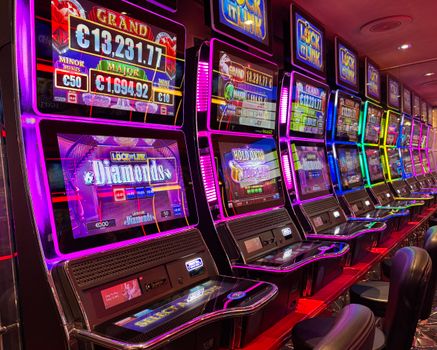
Casinos and game designers are acutely aware of the illusion of control, often structuring games to amplify it. From the tactile engagement of rolling dice in craps to the option of holding or discarding cards in video poker, these elements foster a sense of agency.
Let’s look at some concrete examples:
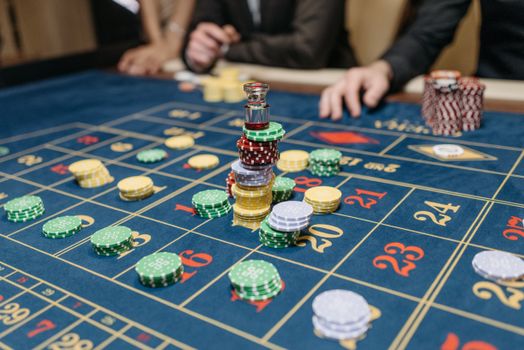
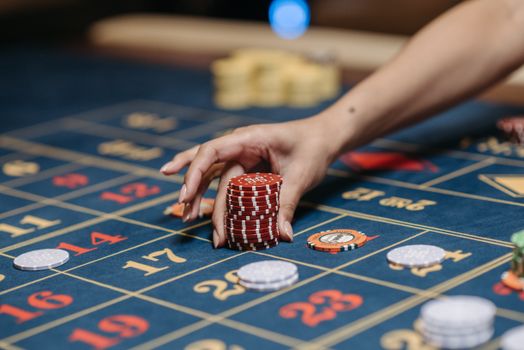
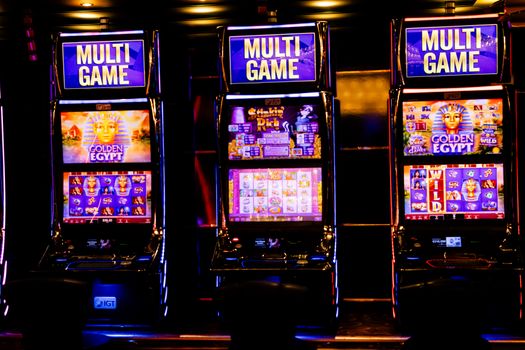
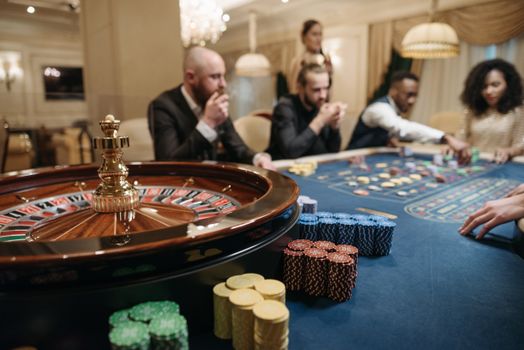
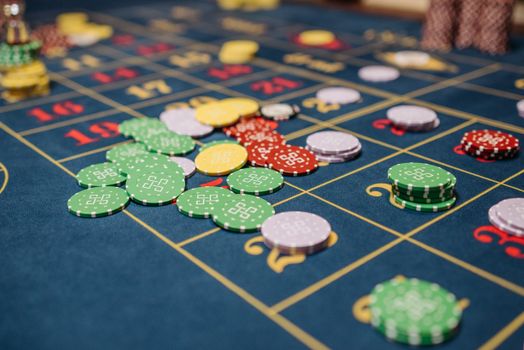
- In slot machines, "stop" buttons let players halt spinning reels, even though the outcome is determined the moment the button is pressed. The pause gives an impression of control, but statistically, it has no effect on the result. - In roulette, players can choose their numbers or colors, but the spinning wheel’s result is unaffected by player choices. - In sports betting, gamblers may feel their knowledge of teams or events gives them an edge, but studies show that even experts rarely outperform random chance over long periods.A 2016 report by the UK Gambling Commission found that 80% of regular gamblers believed their actions could improve their odds in games of chance, despite overwhelming evidence to the contrary.
Luck, Randomness, and the Limits of Prediction
To understand the illusion of control, it’s essential to distinguish between games of pure chance, games of skill, and those that blend both. The table below summarizes some common gambling activities and the actual influence of skill versus luck:
| Game | Skill Influence | Luck Influence | Example of Illusion of Control |
|---|---|---|---|
| Roulette | Very Low | Very High | Choosing colors or numbers based on patterns |
| Slot Machines | None | Complete | Stopping reels or using rituals before spinning |
| Poker | High (long-term) | Moderate (short-term) | Overestimating skill after a lucky win |
| Lottery | None | Complete | Picking "lucky" numbers or birthdates |
| Blackjack | Moderate | High | Believing in "hot" or "cold" streaks |
Random events, by definition, have outcomes that cannot be predicted or influenced by prior events or player actions. Yet, the human brain is wired to seek patterns, often leading to erroneous beliefs like the "gambler’s fallacy" (believing a win is "due" after a string of losses) or the "hot hand fallacy" (believing a streak will continue).
Real-World Consequences: The Cost of Misinterpreting Luck
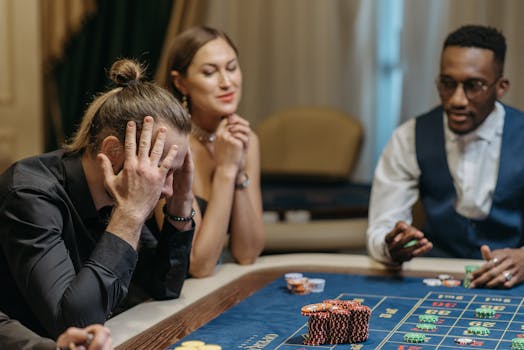
Misunderstanding the nature of chance can have serious consequences, both financially and psychologically. According to the National Council on Problem Gambling, the average gambling loss per American adult in 2022 was $400, with approximately 2% of the adult population meeting criteria for problem gambling. These issues are often exacerbated by the illusion of control, which keeps players engaged and betting more than they intended.
One notable example comes from a 2015 study in the Journal of Gambling Studies: researchers found that players who believed they could control slot machines tended to gamble longer and risk more money than those who understood the randomness of the outcomes.
Furthermore, the illusion of control is linked to increased vulnerability in developing gambling disorders. A 2020 meta-analysis found that people who score high on measures of illusion of control are twice as likely to experience gambling-related harm.
Cognitive Strategies to Counteract the Illusion
Awareness is the first step in countering the illusion of control. Here are practical strategies, supported by research, that can help gamblers maintain a realistic perspective:
1. Education: Learning about the odds, house edge, and the mechanics of games can demystify luck. For example, knowing that the odds of winning the Powerball lottery are 1 in 292 million makes it clear that no amount of "lucky numbers" will improve one’s chances. 2. Mindfulness: Practicing mindfulness can help players recognize emotional impulses and separate them from rational decisions. Studies have shown that mindfulness-based interventions reduce problem gambling symptoms by up to 30%. 3. Setting Limits: Pre-determining betting limits and sticking to them reduces the influence of emotional highs and lows, which often trigger irrational beliefs about control. 4. Avoiding Superstitions: Rituals and "lucky charms" provide comfort but do not alter statistical probabilities. Research published in the Journal of Behavioral Addictions suggests that gamblers who avoid superstitions are less likely to chase losses. 5. Reality Checks: Many online gambling platforms now include features that provide periodic reminders of time spent or money wagered, helping players remain grounded in reality.Why Understanding the Illusion of Control Matters
Recognizing the illusion of control is not just academic—it has real-world significance for individuals, families, and society. When gamblers misinterpret luck for skill, they are more likely to fall into cycles of excessive risk-taking and loss. This contributes to broader social issues, including debt, mental health struggles, and family conflict.
On a societal level, understanding this illusion can inform better regulations and responsible gambling initiatives. For instance, jurisdictions like the United Kingdom now require casinos to display odds and provide educational materials to help patrons make informed choices.
Moreover, dispelling the myth of control can make gambling more enjoyable for those who choose to participate, helping them approach games as entertainment rather than as a means of gaining control over luck or destiny.