Risk vs. Reward: Understanding the Gambler’s Fallacy
Every flip of a coin, spin of a roulette wheel, or roll of the dice offers gamblers a familiar rush—the thrill of possibility and the hope that risk will be rewarded. But lurking behind many of these decisions is a powerful mental trap: the gambler’s fallacy. This cognitive bias leads people to believe that past random events can influence future outcomes, distorting perceptions of risk and reward. Understanding the gambler’s fallacy is crucial not only for those who gamble, but also for anyone interested in how our brains weigh uncertainty, make predictions, and sometimes, lead us astray.
The Gambler’s Fallacy Explained
The gambler’s fallacy, sometimes called the “Monte Carlo fallacy,” is the erroneous belief that if something happens more frequently than normal during a given period, it will happen less frequently in the future (or vice versa). Simply put, people think that chance events balance out in the short term.
A classic example occurred in 1913 at the Monte Carlo Casino, where the roulette wheel landed on black 26 times in a row. As the streak continued, gamblers bet millions on red, wrongly assuming a red outcome was “due.” But each spin of the wheel was independent; the probability of red or black remained unchanged.
.png)
This fallacy isn’t limited to casinos. It appears in lotteries, sports betting, and even in everyday decisions—like expecting a sunny day after a week of rain, even when the weather is random. The core misunderstanding is failing to grasp that independent events do not “self-correct” in the short run.
How the Gambler’s Fallacy Distorts Perception of Risk
The gambler’s fallacy taps into our instinct to seek patterns and predictability. Human brains are wired to find meaning in randomness—a trait that, while evolutionarily useful, can backfire in games of pure chance.
Consider a fair coin: the odds of heads or tails on any flip are always 50%. Yet after five heads in a row, many people feel certain that a tails result is imminent. This illusion of control over random outcomes is a direct result of the fallacy.
Research backs this up. A 2010 study published in “Cognition” found that over 80% of participants believed that after a streak of one outcome, the other was “due” next, despite being told the process was random. This tendency to misjudge risk can lead to poor decision-making, especially in high-stakes gambling, where it fuels risky bets and mounting losses.
Reward Chasing: When the Fallacy Fuels Bigger Bets
Belief in the gambler’s fallacy often compels gamblers to chase rewards by increasing their bets after a series of losses, assuming a win is just around the corner. This behavior is particularly evident in games like roulette, craps, or slot machines.
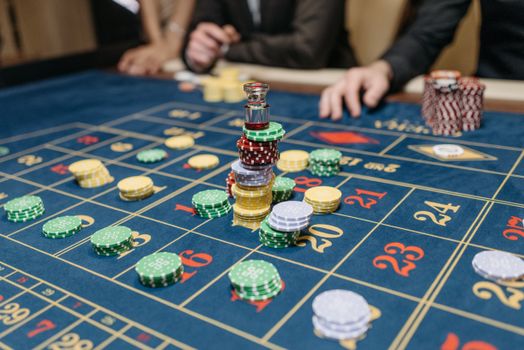
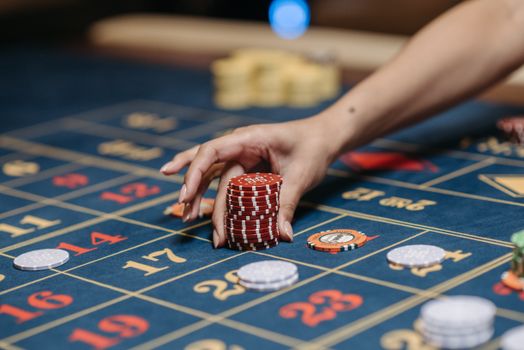
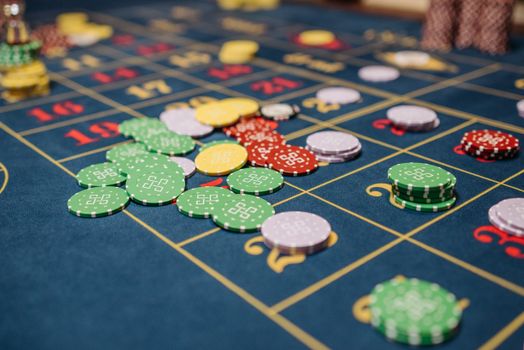
Let’s look at roulette. The odds of the ball landing on red or black are nearly 50% on each spin, excluding the green 0 or 00 slots. Yet, after several blacks in a row, many players double their bet on red, convinced that “red is due.” Casinos capitalize on this misconception, as it leads to larger wagers and, ultimately, bigger losses.
Financial data supports the dangers of this thinking. The UK Gambling Commission reported in 2023 that 43% of regular casino gamblers admitted to increasing their bets after a losing streak, often rationalizing that a win was more likely. This “reward chasing” is a direct byproduct of the gambler’s fallacy.
Comparing Fallacy-driven vs. Rational Betting Strategies
To illustrate how the gambler’s fallacy affects outcomes, let’s compare two hypothetical roulette players over 100 spins:
| Strategy | Behavior | Average Bet | Total Wagered | Net Gain/Loss (Expected) |
|---|---|---|---|---|
| Fallacy-Driven | Increases bet after each loss, believing a win is “due” | $20 | $2,000 | -$54 |
| Rational | Bets a fixed amount each spin, understanding odds are always the same | $10 | $1,000 | -$27 |
The table shows that the fallacy-driven gambler risks twice as much money and, due to larger bets after losses, stands to lose more in the long run. Over 100 spins, both strategies are expected to lose money (due to the house edge), but the fallacy-driven approach magnifies losses without improving the odds.
Why Our Brains Fall for the Gambler’s Fallacy
Why do so many intelligent people, even seasoned gamblers, fall for this mental trap? The answer lies in the way our brains process randomness and probability.
Psychologists point to the “representativeness heuristic,” a mental shortcut where we judge the probability of an event by how much it resembles our idea of randomness. For example, a sequence like “HTTHHT” seems more random than “HHHHHH” when flipping a coin, even though both are equally probable.
Additionally, our desire for fairness and balance plays a role. We expect outcomes to “even out” quickly—a concept known as the “law of small numbers,” which is a misinterpretation of the true law of large numbers. In reality, only over many thousands or millions of trials do random events approach expected probabilities.
A 2015 neuroscience study found that the brain’s reward system becomes more active after a streak of losses, increasing the urge to keep playing. This biological feedback loop reinforces the gambler’s fallacy, making it emotionally difficult to walk away during losing streaks.
Real-World Consequences: Beyond the Casino
While the gambler’s fallacy is most obvious in gambling halls, its effects ripple into other areas of life. Stock market investors may sell after several days of declines, believing a rise is “due.” Sports fans might predict a losing team will win its next game simply because they “can’t lose forever.”
Research shows that this bias can have serious financial and psychological impacts. In a 2022 behavioral economics survey, 65% of respondents admitted to making at least one major financial decision based on the belief that a reversal was “bound to happen.” In legal settings, even experienced judges have been found to unconsciously alternate verdicts, as if trying to “balance out” previous rulings.
Understanding the gambler’s fallacy can help individuals make better decisions, whether at the casino, in the stock market, or in daily life. By recognizing when our instincts are misleading us, we can avoid costly mistakes and cultivate a healthier attitude toward risk and reward.
Overcoming the Fallacy: Practical Tips for Smarter Decisions
While the gambler’s fallacy is deeply ingrained, it’s not impossible to overcome. Here are some practical strategies:
1. Learn the Odds: Familiarize yourself with the true probabilities of games or investments. Knowing that each roulette spin, coin toss, or lottery draw is independent helps reinforce rational thinking. 2. Set Strict Limits: Before gambling or making high-risk decisions, set time and money limits. Stick to them, regardless of winning or losing streaks. 3. Practice Mindful Awareness: When you catch yourself thinking “I’m due for a win,” pause and remind yourself that the next outcome is just as random as the last. 4. Use Statistical Tools: For investors or sports bettors, rely on long-term trends and data rather than short-term streaks. Avoid making decisions based on recent results alone. 5. Seek Support: If you find it hard to control gambling impulses, consider support groups or counseling. Behavioral interventions can help rewire faulty thinking patterns.By applying these strategies, you can reduce the influence of the gambler’s fallacy and make more informed, less emotionally driven choices.
What the Gambler’s Fallacy Teaches Us About Risk and Reward
The gambler’s fallacy is more than just a quirky casino myth—it’s a fascinating window into human psychology and our struggle to interpret randomness. Whether you’re rolling dice in Las Vegas or weighing risks in everyday life, understanding this cognitive trap can help you keep expectations in check and protect yourself from costly errors.
Recognizing that risk and reward are not always balanced in the way our brains expect is the first step toward smarter decisions. By resisting the urge to see patterns where none exist, we can approach uncertainty with a clearer, more rational perspective—one that favors long-term gains over fleeting hopes of “being due.”