The Influence of Luck on Gambling Habits and Behaviors: A Deep Dive into Belief, Bias, and Decision-Making
Gambling has fascinated humanity for centuries, threading together thrill, risk, and the tantalizing hope of an unpredictable win. At the very heart of this allure lies the concept of luck—a force gamblers often invoke, chase, and even fear. But how exactly does the belief in luck shape gambling habits and behaviors? Is it just a harmless superstition, or does it have deeper psychological and social consequences? In this comprehensive exploration, we’ll unravel how perceptions of luck influence everything from betting strategies to the development of problematic gambling, blending scientific research, real-world examples, and statistical insights.
The Psychological Roots of Luck Belief in Gambling
The belief in luck is ingrained in many cultures and personal narratives. From carrying lucky charms to following rituals before playing, gamblers often attribute their outcomes to forces beyond random chance. According to a 2016 survey published in the Journal of Gambling Studies, nearly 72% of regular casino patrons reported holding at least one personal superstition related to luck.
.png)
Psychologically, this belief is fueled by cognitive biases such as the illusion of control—the tendency to overestimate one's ability to influence outcomes in games of chance. Researchers at Stanford University found that gamblers who believed they could "control" luck were 50% more likely to place higher bets and extend their play sessions, compared to those who viewed outcomes as purely random.
Furthermore, the "hot hand" fallacy and "gambler’s fallacy" are prevalent among habitual gamblers. The hot hand fallacy leads individuals to believe that a winning streak will continue, while the gambler’s fallacy makes them think a loss streak will soon reverse. Both are linked to misconceptions about luck and randomness, directly shaping how, when, and why people bet.
Luck, Rituals, and Superstitions: Behavioral Manifestations
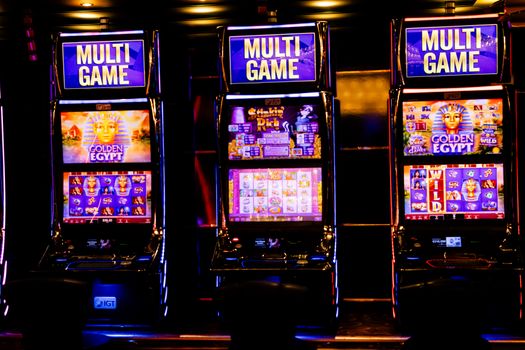
Belief in luck doesn’t just exist in the mind—it manifests in observable rituals and behaviors. Gamblers may wear specific clothing, touch lucky objects, or avoid certain numbers. In a 2022 international survey of over 10,000 gamblers, 58% admitted to performing at least one ritual before placing bets, such as tapping slot machines or reciting lucky phrases.
These habits aren’t mere quirks; they can significantly alter gambling patterns. For example, a study published in the Journal of Behavioral Addictions found that individuals who engaged in multiple luck-based rituals were 34% more likely to increase their wagers after a win, believing their "luck" was holding strong. Conversely, some rituals are used to "break" losing streaks, encouraging longer play even in the face of consistent losses.
Superstitions, while often viewed as harmless, can reinforce the illusion of predictability in inherently random games. This can lead to riskier decision-making, as individuals trust in their perceived luck over statistical reality.
Luck Perception and Gambling Frequency: What the Data Shows
How does belief in luck correlate with actual gambling frequency and intensity? Multiple studies have addressed this question, revealing a strong link between luck-based thinking and increased gambling activity.
A 2019 review in the journal Addictive Behaviors examined over 20,000 gamblers across four countries. The findings were striking:
- Gamblers who rated themselves as "lucky" were 2.3 times more likely to gamble weekly or more, compared to those who did not. - These self-identified "lucky" gamblers, on average, spent 41% more money per session across slots, roulette, and lottery games. - Young adults (ages 18-29) with strong luck beliefs had the highest frequency of play, averaging 3.2 gambling sessions per week.The following table summarizes key findings from several recent studies:
| Belief Level in Luck | Average Gambling Sessions per Month | Average Monthly Spend (USD) | Proportion Reporting Gambling-Related Problems |
|---|---|---|---|
| High | 18.7 | $450 | 32% |
| Moderate | 12.4 | $280 | 19% |
| Low | 7.5 | $120 | 7% |
These statistics underline a clear association: the stronger one's belief in personal luck, the more frequent and intense their gambling tends to be.
Luck Belief and Problem Gambling: A Risk Factor?
While most people can enjoy gambling recreationally, a subset develops problematic gambling behaviors. Here, the influence of luck becomes a potential risk factor.
The National Council on Problem Gambling reports that 1-3% of U.S. adults, or up to 10 million people, are at risk for problem gambling. Among this group, studies have consistently found elevated levels of luck-related thinking. In a 2021 study, 67% of individuals receiving treatment for gambling disorder endorsed strong beliefs in luck or destiny influencing their outcomes.
This link is not trivial. The persistent belief in luck can:
- Encourage "chasing losses," as gamblers expect their luck to turn around - Reduce self-awareness of mounting losses or risky play - Increase impulsivity and reduce the likelihood of seeking helpA meta-analysis in the Journal of Gambling Issues found that interventions directly addressing luck and superstition reduced harmful gambling behaviors by 27% compared to standard counseling alone. This suggests that challenging luck-based thinking may be a crucial step in prevention and treatment.
Luck Versus Skill: Changing Perceptions Through Education
Modern gambling environments—especially online platforms—often blur the lines between luck and skill, fostering misconceptions about the nature of various games. For instance, while poker may involve some degree of skill, most casino games like slots and roulette are purely games of chance.
Educational campaigns and responsible gambling initiatives aim to shift gambler perceptions. When players are taught to recognize the role of chance and the impossibility of "beating" random systems, their betting habits often become more cautious and informed.
A 2023 experiment involving 1,500 online gamblers found that those who received brief educational videos about randomness and house edge:
- Reduced their average bet size by 21% - Cut their total gambling time per session by 17% - Reported lower levels of regret after playBy contrast, gamblers who maintained strong beliefs in luck showed little change in their habits, emphasizing the persistent grip that luck-based thinking can have—even in the face of clear information.
Social and Cultural Dimensions: How Society Shapes Luck Beliefs
Luck is not just a personal belief; it is shaped and reinforced by wider social and cultural contexts. In many societies, certain numbers, dates, or symbols are considered particularly lucky or unlucky. For example, in China, the number 8 is associated with prosperity, while 4 is avoided due to its phonetic similarity to the word "death."
Casinos and betting operators are acutely aware of these cultural beliefs and often design games, promotions, and environments to tap into them. For instance:
- Slot machines in Macau frequently feature the number 8 in their displays and payouts. - Western casinos may avoid the number 13 on tables or hotel floors. - Special events and bonuses are timed with culturally significant dates, like Lunar New Year.Such practices further entrench the connection between luck and gambling, making it a key driver of behavior not just at the individual, but also at the group and societal levels.
Final Thoughts: Navigating Luck’s Powerful Influence on Gambling Behavior
Luck, whether real or perceived, wields a profound influence on how people approach gambling. From shaping rituals and decision-making to increasing the frequency and riskiness of betting, the belief in luck is a double-edged sword. It adds excitement and suspense, but also carries the risk of encouraging irrational play and, for some, contributing to harmful gambling behaviors.
Understanding the psychological, cultural, and social roots of luck beliefs can empower individuals, families, and policymakers to foster healthier gambling environments. With education, awareness, and targeted interventions, it is possible to enjoy the thrill of chance without falling prey to its pitfalls.