How Luck Affects Decision Making in Gambling
Gambling blends risk, strategy, and significantly, luck. While gamblers often believe they control or predict outcomes through skill or strategy, the impact of luck is undeniable. Understanding how luck influences decision making in gambling is crucial for anyone involved, from casual players to serious bettors.
Defining Luck in Gambling
.png)
In gambling, 'luck' refers to the random, unpredictable outcomes beyond a gambler's control. Regardless of the game—be it slots, poker, or roulette—each event is shaped by random factors that players cannot manipulate.
The Perception of Luck
The way gamblers perceive luck significantly impacts their decision-making. Many attribute wins to skill and losses to bad luck, a cognitive bias known as the 'self-serving bias'. This bias helps maintain a positive self-image and influences future gambling decisions. Players often believe they are 'due' for a win after a string of losses, known as the 'gambler’s fallacy'.
Illusion of Control
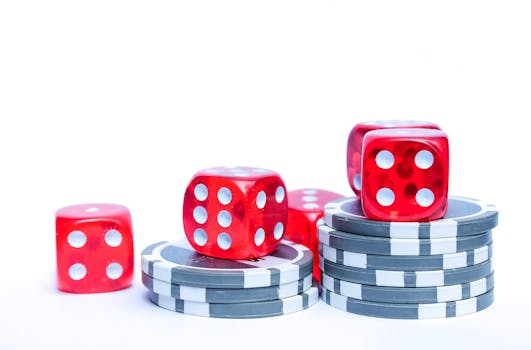
Luck often leads to an 'illusion of control'. Gamblers may believe they can influence purely chance-based game outcomes. For instance, a dice player might think that throwing the dice a certain way could affect the result. Such beliefs can lead to increased betting and risk-taking, as players are misled by their perceived control over the game’s outcome.
Emotional Impact of Luck
The unpredictability associated with luck can trigger significant emotional responses. The thrill of an unexpected win or the despair from a sudden loss can dramatically affect a gambler's decision-making process. After a big win, a player might feel invincible and make larger, riskier bets. Conversely, a loss might prompt chasing losses with more bets in an attempt to regain the lost money.
The Role of Luck in Different Games
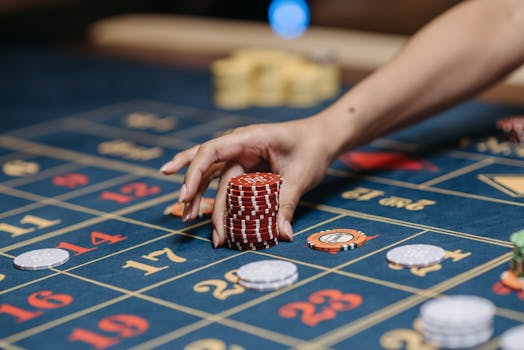
Games of chance, such as slot machines or roulette, primarily rely on luck to generate random outcomes. However, in games like poker, while skill and strategy play parts, luck still influences the cards dealt.
Industry Exploitation of Luck
The gambling industry often capitalizes on the concept of luck to attract and retain players. Casinos and online gambling sites promote stories of big wins and lucky players to create a sense of possibility and excitement. This strategy taps into the gambler's hope that luck will favor them, encouraging continued play.
Responsible Gambling and Luck
For responsible gambling, recognizing the role of luck is essential. Players must understand that outcomes are ultimately random and beyond their control. Setting limits on time and money spent gambling can help manage risk and ensure that gambling remains a recreational activity, not a financial burden.
Conclusion
Luck plays a profound role in gambling and significantly influences decision making. While it can create thrilling moments of victory, it can also lead to risky behaviors if not properly understood and managed. Gamblers should approach the activity with realism, recognizing the elements of chance and randomness inherent in these games, to enjoy gambling responsibly and avoid the pitfalls of overreliance on luck.