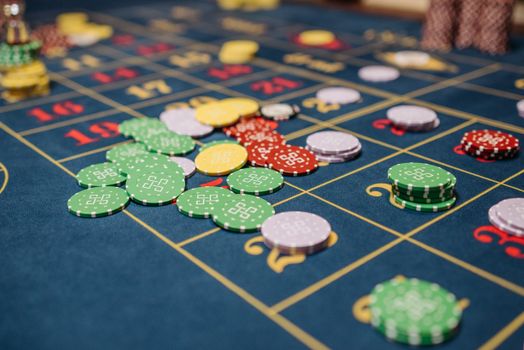
Gambling is a complex behavior influenced by many psychological, social, and environmental factors. While much research has focused on individual motivations and cognitive biases, the role of peer pressure in shaping gambling habits is often underestimated. Peer pressure—direct or indirect influence from friends, colleagues, or social groups—can have a powerful impact on whether, how often, and how much people gamble. Understanding this social dynamic is crucial for anyone concerned with responsible gambling, prevention of problem gambling, and the broader social effects of betting.
The Social Dynamics Behind Gambling Decisions
Humans are inherently social creatures, and our decisions are rarely made in a vacuum. In the context of gambling, this social influence can manifest in subtle and overt ways. A 2022 survey by the UK Gambling Commission found that 34% of young people aged 11-16 had gambled in the past year, and nearly half of them cited peer encouragement or observation as a key reason for trying gambling for the first time.
Peer pressure can take many forms:
- $1: Friends actively inviting or daring someone to gamble. - $1: Observing peers having fun or winning money while gambling. - $1: Participating because it is seen as a 'normal' or expected group activity.For example, college students are more likely to place bets during group outings to casinos or while watching sports games together. The perceived acceptance and even glorification of gambling in such environments can override personal reservations, leading individuals to participate against their better judgment.
.png)
How Peer Pressure Drives Riskier Gambling Behavior
Peer pressure doesn't just influence whether someone gambles—it can also escalate the risks they take. A 2018 study published in the Journal of Gambling Studies found that individuals in group gambling settings placed bets that were, on average, 22% higher than those gambling alone. This trend is particularly pronounced among young adults and teenagers, whose decision-making processes are still developing.
The mechanisms behind this increased risk-taking include:
- $1: People may increase their bets to fit in or gain approval. - $1: Observing others win can create pressure to keep gambling or raise stakes. - $1: Group excitement can overshadow awareness of losses or odds.A real-world example can be seen in sports betting pools. When friends collectively bet on matches, individuals may feel compelled to match the group's enthusiasm or wagers, even if it exceeds their comfort zone. Over time, this can normalize high-risk gambling and make it harder for individuals to set personal boundaries.
Vulnerability: Who Is Most Affected by Peer Pressure?
Not everyone is equally susceptible to peer pressure in gambling. Certain demographic and psychological factors can heighten vulnerability, especially among adolescents and young adults.
- $1: Younger individuals are more likely to be influenced by peers due to ongoing brain development and a stronger need for social belonging. According to the National Council on Problem Gambling, 60% of high school students have gambled at least once, and peer influence is a major driver. - $1: Studies indicate that young men are more susceptible to gambling peer pressure, particularly in competitive or group settings. - $1: People with higher levels of impulsivity, low self-esteem, or a strong desire for approval often respond more strongly to peer influence. - $1: Those raised in families or communities where gambling is normalized may be more easily swayed by peer encouragement.Understanding these risk profiles is essential for parents, educators, and policymakers aiming to design effective preventative measures.
Online Gambling and Social Media: New Frontiers of Peer Influence
The rise of online gambling and social media has transformed the landscape of peer pressure. No longer confined to physical spaces like casinos or betting shops, gambling is now woven into digital communities and social networks.
Key trends include:
- $1: Platforms like Facebook offer free casino-style games that mimic real gambling and encourage sharing achievements with friends. - $1: Popular streamers and content creators often showcase gambling wins, normalizing the behavior and encouraging followers to try their luck. - $1: Forums, chat groups, and Discord channels allow users to share tips, celebrate wins, and collectively place bets, amplifying the sense of community and pressure.A 2021 study by the Australian Gambling Research Centre found that 39% of young adults who engaged in online sports betting did so as part of a social group or in response to social media promotions. This digital peer pressure can be even more pervasive and harder to resist, as it operates 24/7 and reaches individuals in private settings.
Comparing Peer Pressure with Other Gambling Influences
To better understand the relative impact of peer pressure, it's helpful to compare it with other known influences on gambling behavior. The table below summarizes findings from several research studies:
| Influence Factor | Percentage of Gamblers Affected (Aged 16-24) | Example Scenario |
|---|---|---|
| Peer Pressure | 44% | Friends encouraging participation in betting pools |
| Advertising | 38% | Exposure to TV or online gambling ads |
| Family Influence | 29% | Gambling traditions during holidays or family events |
| Personal Financial Need | 21% | Gambling to solve money problems |
These numbers, drawn from a 2020 survey by the Youth Gambling Awareness Program (Canada), highlight that peer pressure is the single most influential social factor for young gamblers, surpassing family habits and even advertising.
Coping Strategies: Resisting and Managing Peer Pressure
Given the strong influence of peer dynamics, developing effective coping strategies is essential for anyone wanting to gamble responsibly—or avoid gambling altogether. Here are several evidence-based approaches:
- $1: Learning to say no confidently and explaining personal limits can reduce the likelihood of succumbing to group pressure. - $1: Surrounding oneself with peers who respect boundaries and do not pressure others to gamble. - $1: Establishing clear limits on spending, betting frequency, and types of games before entering social situations. - $1: For those already affected by problem gambling, counseling or support groups can provide tools to resist social influences.Educational programs in schools and communities are increasingly incorporating social skills training to help young people recognize and resist gambling-related peer pressure. In 2023, the Gambling Commission in New Zealand launched a campaign that reduced gambling initiation among 16-18 year-olds by 18% within one year, largely by addressing peer influence in its messaging.
Long-Term Effects: How Peer Pressure Shapes Gambling Habits
The impact of peer pressure on gambling doesn’t end with a single bet or night out. Research suggests that early experiences of social gambling can have lasting consequences:
- $1: When gambling becomes a routine social activity, risk-taking is perceived as less dangerous. - $1: Those who start gambling due to peer pressure are at higher risk of developing gambling problems later. The Journal of Adolescent Health reported in 2019 that 27% of young adults who began gambling under peer influence showed signs of problem gambling within five years. - $1: Peer-influenced gambling can encourage others within a social network to participate, perpetuating a cycle.These findings underscore the importance of early intervention and the need to address social factors, not just individual choices, in the fight against problem gambling.
Moving Forward: Reducing the Impact of Peer Pressure on Gambling Behavior
Addressing the influence of peer pressure on gambling is a multifaceted challenge that requires action at individual, community, and policy levels. Strategies might include:
- $1: Teaching young people about the risks of peer-influenced gambling and how to resist it. - $1: Limiting advertising and access to gambling, especially in environments frequented by young people. - $1: Encouraging casinos and online platforms to promote responsible behavior and provide easy opt-out options for group betting features.Ultimately, fostering a culture where individuals feel empowered to make their own choices—free from undue social influence—is key to minimizing the negative impact of gambling.