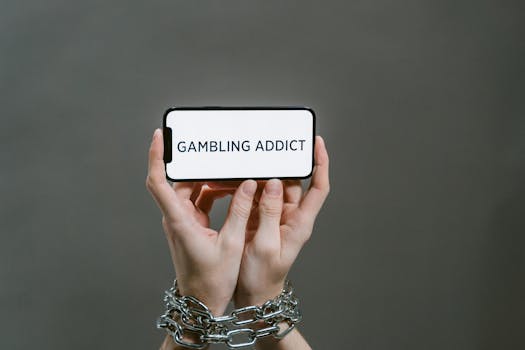
Belief in luck, especially within the context of gambling, is a fascinating psychological phenomenon deeply rooted in cognitive biases. These biases, deviations from rational judgment, shape our perceptions and can lead us to believe in the power of luck over random outcomes.
One primary cognitive bias in gambling is the gambler’s fallacy. This bias convinces us that past events can influence future events in purely random processes. For example, if a roulette ball has landed on black several times in a row, a person under the influence of the gambler's fallacy might believe that red is due to come up next, despite each spin being independent of the last.
Closely linked to the gambler’s fallacy is the illusion of control. Many gamblers believe they can influence the outcome of what are essentially games of chance. Whether it's throwing dice a certain way, choosing a specific slot machine, or carrying a lucky charm, these behaviors give players an unfounded sense of control over purely random outcomes.
.png)
Confirmation bias further solidifies belief in luck. This occurs when individuals favor information that confirms their existing beliefs. In gambling, wins are often attributed to skill or luck, reinforcing the belief in a player's control over random events. Conversely, losses are frequently rationalized as just bad luck or due to external circumstances.
The optimism bias also plays a significant role. This bias leads people to believe they are less likely to suffer from negative outcomes than others. In the realm of gambling, this might manifest as an overconfidence in one's likelihood of winning, ignoring statistical probabilities that dictate otherwise.
Social influence significantly impacts the belief in luck. Gambling environments often feature shared rituals and collective beliefs about luck, which can be contagious. If everyone around a player talks about their lucky numbers or successful strategies, it can be challenging not to adopt these beliefs, even if they lack rational basis.
Understanding these biases is crucial for gamblers to approach games more rationally. Recognizing that outcomes in games of chance are random and not influenced by luck can help gamblers make more informed decisions. Practical strategies for managing gambling behavior include setting clear limits, adhering to the odds, and maintaining a realistic perspective on wins and losses.
In summary, the belief in luck in gambling is shaped by a complex interplay of cognitive biases. By acknowledging and understanding these biases, gamblers can better navigate the risks and potentially reduce problematic gambling behaviors. Ultimately, recognizing that "the dice have no memory" and "the roulette wheel doesn't care" can lead to a more responsible and enjoyable gambling experience.