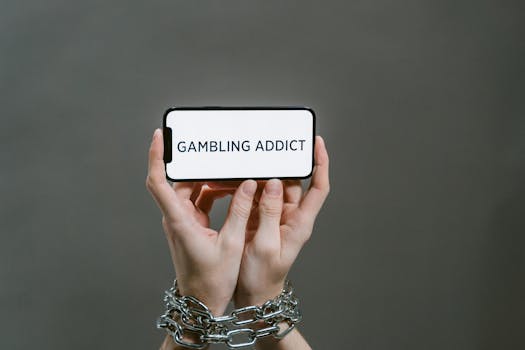
The intriguing world of gambling often revolves around the elusive and enticing concept of luck. Many gamblers feel a profound connection to this sensation, believing it plays a pivotal role in their gaming outcomes. But what really underlies this feeling of being "lucky"? Research into the psychological and neurological frameworks of gambling provides a deeper understanding of this phenomenon, revealing that it's not just about mere chance but a complex interplay of various factors.
The Psychological Thrill
Gambling inherently involves elements of risk and reward which directly stimulate the brain. The act of placing a bet can lead to a surge in dopamine, a neurotransmitter associated with pleasure and reward. This chemical release creates a rewarding feeling that can become quite addictive. The anticipation of a win or the suspense of a close loss can keep gamblers coming back for more, chasing the highs of potential rewards.
.png)
Perceived Luck and Confidence
Perceived luck is a significant psychological component that influences gambling behavior. This subjective feeling of being luckier than others can lead gamblers to take greater risks. Confidence in gambling decisions often correlates with this perception of luck. Whether this confidence is well-placed or not, it can dramatically affect the choices a gambler makes, from the size of a bet to the games they choose to play.
Illusion of Control
A key aspect of gambling psychology is the illusion of control. Gamblers often believe they can influence a game’s outcome through various actions, which might include throwing dice a certain way, choosing a specific slot machine, or engaging in rituals believed to bring luck. These behaviors reinforce the notion that they are not merely at the mercy of chance, enhancing their confidence and perceived luck.
Neurological Similarities to Addiction
Neurologically, gambling stimulates the brain's reward system akin to what occurs in drug addiction. The excitement and uncertainty prompt the brain to release dopamine, reinforcing the behavior and making the experience highly rewarding. For some, this can escalate into problem gambling, driven by the thrill of the game rather than the financial gain.
Cognitive Biases
Cognitive biases also play a crucial role in the feeling of being lucky. The gambler's fallacy, for instance, can lead players to make irrational decisions based on past outcomes, such as believing a slot machine is "due" for a win after a series of losses. This misunderstanding of chance and probability can skew their perception of luck and influence their gambling practices.
Social Influences
The social environment is another factor that impacts the feeling of luck. Being around other gamblers who are winning can create an infectious sense of optimism and increase one's own feelings of luck. Conversely, gambling in isolation or receiving negative feedback can have the opposite effect, dampening spirits and perceived luck.
Conclusion
Understanding the feeling of being lucky in gambling involves delving into the psychological, neurological, and social influences that shape this experience. For gamblers, recognizing these factors can lead to more informed and mindful gambling practices. While the allure of luck can add to the excitement of gambling, relying solely on it is not a sustainable strategy. Responsible gambling, informed by an understanding of these underlying factors, is crucial for maintaining control and enjoying the game safely.