The Thrill of the Game: Why Risk Feels Rewarding in Gambling
From the bustling casino floors in Las Vegas to the silent anticipation at home in front of an online poker table, gambling taps into a universal human experience: the exhilaration of risk. But why does risk itself feel so rewarding? The answer lies at the intersection of psychology, biology, and culture. This article explores how the thrill of the game is intricately tied to our brains, emotions, and social instincts, revealing why the risk in gambling is not just tolerated, but actively sought out by millions worldwide.
The Science of Risk: What Happens in the Brain During Gambling
When you place a bet—whether it’s spinning a roulette wheel or laying down a poker hand—your brain is flooded with anticipation. Scientific studies have shown that risk-taking activates the brain’s reward system, particularly the release of dopamine, the “feel-good” neurotransmitter. According to research published in the journal Neuron (Clark et al., 2009), the uncertainty of reward is a powerful stimulant. When the outcome is unpredictable, the brain’s reward circuits become even more active than when a positive outcome is guaranteed.
This dopamine rush is comparable to other pleasurable experiences, such as eating a favorite food or listening to music. In fact, a 2017 study by the University of British Columbia found that problem gamblers had dopamine responses similar to those seen in people experiencing euphoria from drugs. This biological feedback loop helps explain why risk is so enticing—it’s not just about winning money, but about the chemical excitement that comes from facing uncertainty.
.png)
Evolutionary Roots: Why Are Humans Drawn to Risk?
From an evolutionary standpoint, risk-taking played a crucial role in human survival. Our ancestors had to make risky decisions daily—hunting dangerous animals, foraging in unknown territories, or crossing rivers. Those who could evaluate and sometimes embrace risk often reaped the greatest rewards, such as food or new resources.
Anthropologists suggest this evolutionary legacy still lingers in our modern brains. Today’s gamblers are not fleeing predators, but the thrill of risk still triggers age-old reward circuits. A 2014 study published in the journal Evolution and Human Behavior found that people who enjoy risk-taking in gambling also tend to be more adventurous in other life domains, such as travel or entrepreneurship.
Interestingly, risk preferences can also differ by age, gender, and even culture. For example, men are statistically more likely to engage in high-stakes gambling than women, with a 2022 report from the National Council on Problem Gambling noting that 68% of high-stakes casino players are male. Young adults (ages 18-34) are also more prone to seek out risky forms of gambling, potentially due to heightened reward sensitivity during this life stage.
Emotional Highs and Lows: The Rollercoaster of Uncertainty
Gambling is often described as an emotional rollercoaster. The highs—moments of anticipation, near-misses, and big wins—are matched by lows, such as losses and regrets. Yet, it’s precisely this unpredictability that creates a memorable and rewarding experience.
Psychologists refer to this as “emotional engagement.” The more uncertain an outcome, the more emotionally invested we become. Casinos and online platforms capitalize on this by designing games with variable rewards and near-miss experiences. According to a 2021 study in the Journal of Gambling Studies, near-misses actually increase a player’s urge to continue, even after a loss, because they simulate the feeling of “almost winning.”
This engagement is not unique to gambling. Similar emotional patterns are found in extreme sports, stock trading, and even video gaming. What sets gambling apart is the combination of risk, reward, and the illusion of control—all elements that heighten the emotional stakes.
Social Aspects: Risk-Taking as a Shared Experience
Gambling isn’t just a solitary pursuit; it often unfolds in social settings. Whether it’s a poker night with friends or cheering at a racetrack, the collective experience of risk amplifies excitement. Social psychologists have documented that people are more likely to take risks in group environments, a phenomenon known as “group risk-shift.”
In 2019, the American Gaming Association reported that 63% of casino visitors said they preferred to gamble with friends rather than alone. The presence of others can normalize risky behavior and transform private thrills into shared stories. Additionally, group wins and losses can foster a sense of camaraderie, transforming the act of gambling into a bonding ritual.
Cultural factors also play a role. In some countries, gambling is deeply woven into holiday celebrations and community events. For example, the Chinese Lunar New Year is synonymous with games like mahjong and poker, where risk-taking is seen as a way to attract luck and prosperity.
Comparing Gambling with Other Risk-Based Activities
Gambling isn’t the only activity where risk is thrilling. People seek out risk in many arenas—from investing in volatile stocks to skydiving. What makes gambling unique is the immediacy and tangibility of the potential reward, as well as the psychological mechanisms at play. The table below compares gambling with other popular risk-based activities in terms of reward, frequency, and brain response.
| Activity | Type of Risk | Potential Reward | Frequency | Brain Response |
|---|---|---|---|---|
| Casino Gambling | Financial, Unpredictable Outcome | Monetary, Social Status | High (multiple rounds/hour) | High dopamine, strong emotional swings |
| Stock Trading | Financial, Market Volatility | Monetary, Long-term Gains | Moderate (varies by trader) | Dopamine spike on wins, lower emotional variability |
| Extreme Sports | Physical, Personal Safety | Adrenaline, Achievement | Low (infrequent events) | Adrenaline and dopamine, heightened alertness |
| Video Gaming | Virtual, In-game Stakes | Progression, Social Status | High (continuous play) | Dopamine on level-ups, steady engagement |
As shown, casino gambling stands out for its rapid cycles of risk and reward, leading to frequent dopamine spikes and a dynamic emotional experience.
When the Thrill Becomes a Trap: The Risks of Chasing Rewards
The very mechanisms that make risk rewarding in gambling can, for some, become a double-edged sword. The intermittent nature of rewards (winning sometimes, losing often) can create patterns that resemble addiction. According to the World Health Organization, about 1-3% of adults worldwide exhibit problem gambling behaviors, with negative consequences ranging from financial loss to relationship strain.
The “illusion of control” is a common cognitive bias in gambling, where players believe they can influence random outcomes. This belief, combined with the memory of past wins and the anticipation of future ones, can push individuals to take ever-increasing risks.
Furthermore, neuroscientific studies show that repeated exposure to risky rewards can alter the brain’s reward circuitry, making it harder to experience pleasure from other activities. This is why responsible gambling initiatives emphasize setting limits, taking breaks, and viewing gambling as entertainment rather than a way to make money.
Final Thoughts: Embracing the Thrill Responsibly
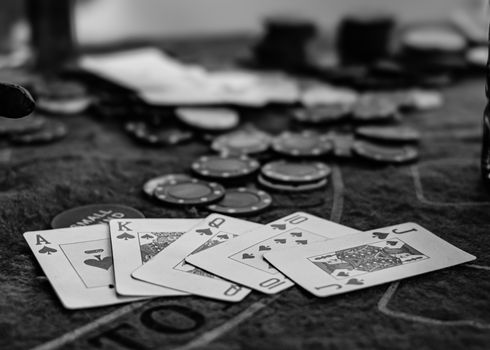
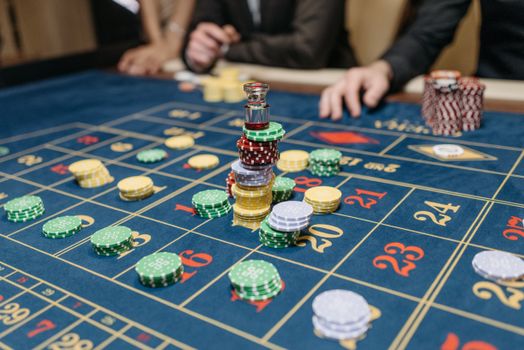
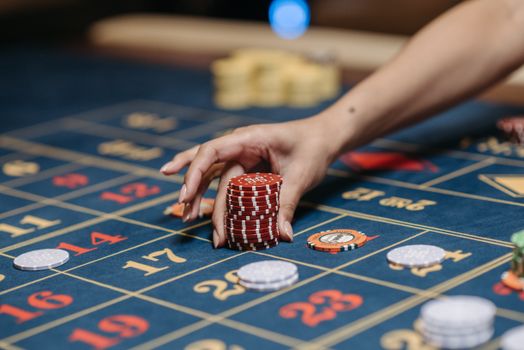
The thrill of the game is a testament to the powerful role risk plays in human life. Whether it’s the rush of a roulette spin or the tension of a poker showdown, risk transforms ordinary moments into extraordinary experiences. Understanding the science and psychology behind why risk feels rewarding helps us appreciate the appeal of gambling—while also recognizing the importance of self-awareness and moderation.
Like any intense experience, the key is balance. By embracing the thrill responsibly, we can enjoy the excitement of risk without falling into its traps, making every bet a story worth telling.