.png)
The Illusion of Control in Gambling: Why We Think We Can Beat the Odds
Gambling is a pastime that has captivated humans for centuries, from throwing dice in ancient temples to spinning reels at modern online casinos. While the outcomes of most gambling games are rooted in chance, countless players believe they can influence the results. This powerful and sometimes dangerous belief is known as the "illusion of control." Understanding this psychological phenomenon not only sheds light on why we gamble but also reveals how our brains can trick us into thinking we can beat the odds, often leading to risky behaviors and unexpected losses.
The Illusion of Control: A Psychological Overview
The illusion of control is a cognitive bias first described by psychologist Ellen Langer in 1975. It refers to our tendency to overestimate our ability to control events, especially those determined by pure chance. In gambling, this illusion is particularly prevalent. Players routinely believe their actions—like picking lottery numbers, blowing on dice, or choosing a specific slot machine—can sway the outcome, even when the games are designed to be entirely random.
Research supports just how widespread and persistent this illusion is. In one classic experiment, participants who threw dice themselves believed they had better odds than those who watched someone else throw, despite the outcome being entirely random. In another study, 67% of casino gamblers reported feeling they had some influence over their wins and losses, even in games of luck such as slot machines or roulette.
This illusion is not limited to novices; even experienced gamblers and people with mathematical knowledge can fall prey to it. The belief that skill or ritual can triumph over random chance drives people to keep playing—and often, to keep losing.
How Casinos Feed the Illusion
Casinos and gambling operators are well aware of the illusion of control, and they have ingeniously designed games and environments to amplify it. Here are some of the ways this is achieved:
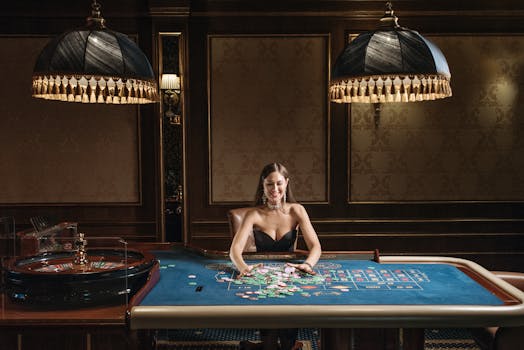
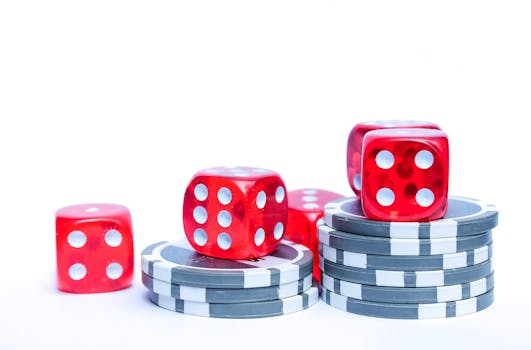
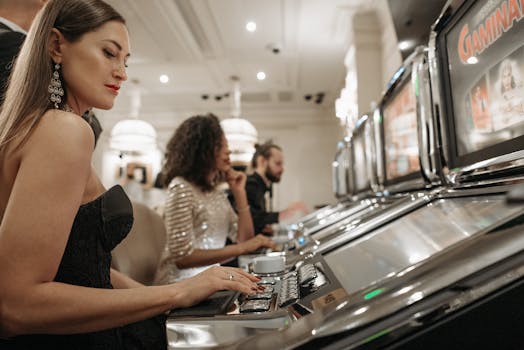
1. $1: Games like craps and roulette allow players to physically interact with the equipment—throwing dice, spinning wheels, or choosing cards. This hands-on involvement makes players feel responsible for the outcome, boosting the illusion of control. 2. $1: Allowing gamblers to pick their own lottery numbers, choose which slot machine to play, or decide when to stop a spinning reel creates a false sense of influence. In reality, the odds remain unchanged regardless of these choices. 3. $1: Slot machines and other games are programmed to display "near misses" that look tantalizingly close to a win. Brain imaging studies show that these near misses activate the same reward centers as actual wins, encouraging continued play and reinforcing the belief that a win is just around the corner. 4. $1: Casino culture is full of rituals—lucky charms, specific routines, or betting patterns—that players believe will boost their luck. While harmless for some, these behaviors can reinforce the illusion that luck or skill can beat the built-in mathematical edge.The Role of Skill vs. Chance in Popular Casino Games
Not every casino game is purely random—some combine elements of skill and chance, while others rely almost entirely on luck. Understanding where skill truly matters can help debunk the illusion of control and reveal the real odds players face.
| Game | Skill Required | Chance Component | Player Control |
|---|---|---|---|
| Roulette | None | High | None |
| Slot Machines | None | Very High | None |
| Blackjack | Moderate | Moderate | Some (decision-making) |
| Poker | High | Moderate | High (strategy and bluffing) |
| Sports Betting | Moderate | Moderate | Some (research and prediction) |
As the table shows, most casino games—especially slots and roulette—are almost entirely chance-driven, despite the strong feeling of agency players often experience. Only games like poker, and to some extent blackjack and sports betting, offer meaningful opportunities for skill to influence outcomes over the long run.
Cognitive Biases That Fuel the Illusion
Several psychological mechanisms feed into the illusion of control during gambling:
- $1: The belief that a person who has experienced success with a random event has a higher chance of further success in subsequent attempts. For example, a player who wins several hands in a row may believe they're "on a streak," even though each round is independent. - $1: This is the mistaken notion that past random outcomes affect future ones. If a roulette wheel lands on red five times in a row, some players bet on black thinking it’s “due,” even though the odds remain the same. - $1: Players tend to remember wins and forget losses, reinforcing the belief that their strategies or rituals are effective. - $1: People naturally overestimate their ability to influence outcomes, especially when they are actively involved (such as rolling dice themselves), giving a false sense of mastery over a random process.In a 2010 study published in the journal "Psychology of Addictive Behaviors," researchers found that gamblers who believed they could control outcomes were more likely to make larger, riskier bets and to chase losses. This demonstrates how the illusion of control can directly contribute to problem gambling.
The Real Odds: Why Beating the House is Rare
Understanding the mathematical reality behind gambling can help counteract the illusion of control. Every casino game is designed with a "house edge," a built-in statistical advantage that ensures the casino profits over time.
- $1: The average house edge is between 2% and 10%, depending on the game. - $1: The house edge ranges from 2.7% (European wheel) to 5.26% (American wheel). - $1: The house edge can be as low as 0.5% with perfect strategy, but most casual players face a 2% or higher edge.Over millions of plays, these edges guarantee that casinos will always win more than they lose. While short-term winning streaks are possible, the laws of probability and large numbers mean that the longer you play, the closer your results will align with the house edge.
A 2022 report from the American Gaming Association found that U.S. casinos took in over $60 billion in gross gaming revenue, a record high. This massive figure is a testament to the house edge working in casinos' favor, and a sobering reminder that the illusion of control rarely pays off.
Breaking Free from the Illusion: Safer Gambling Strategies
While the allure of beating the odds is strong, recognizing the illusion of control can help players make more informed decisions and avoid falling into risky patterns. Here are a few practical steps to stay grounded:
1. $1: Before playing, learn whether the game is based on skill, chance, or a mix of both. Understand the real odds and the house edge. 2. $1: Decide in advance how much time and money you’re willing to lose. Avoid chasing losses, as this is often driven by the illusion that you can "win it back" through persistence or skill. 3. $1: Remember that rituals, lucky charms, and betting systems don't alter the underlying probabilities. Treat them as entertainment rather than genuine strategies. 4. $1: Stepping away from the gaming floor or online session can help you reset and avoid impulsive decisions fueled by emotional highs and lows. 5. $1: If gambling stops being fun and starts to affect your finances or well-being, reach out to support groups or helplines. You're not alone; approximately 2 million Americans meet criteria for gambling addiction, according to the National Council on Problem Gambling.Conclusion
The illusion of control is a powerful psychological force that can make gambling feel like a game of skill rather than chance. Casinos skillfully exploit this bias, encouraging players to believe their actions, choices, or rituals can tip the odds in their favor. While some games do involve skill, most are governed by randomness and house edge, making sustained wins unlikely. By recognizing the illusion of control, understanding the real odds, and adopting safer gambling habits, players can enjoy gaming for entertainment—without falling prey to the costly mistake of believing they can beat the house.