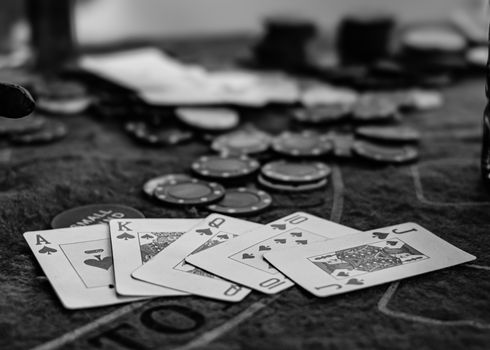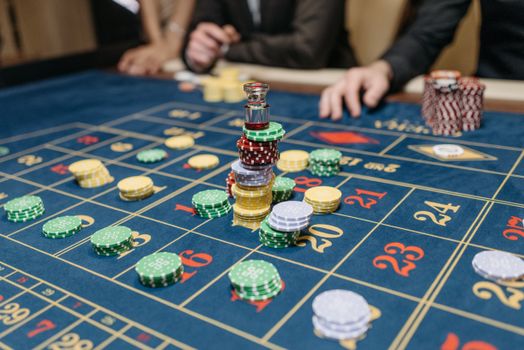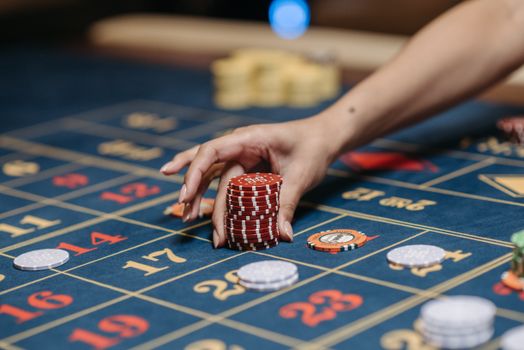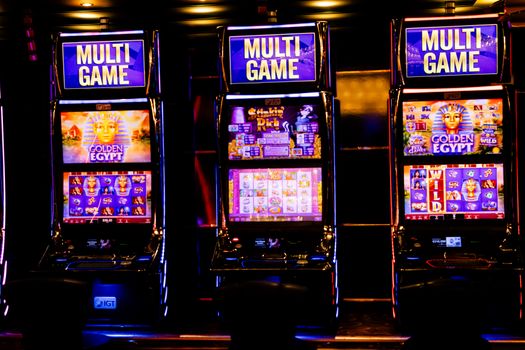
Gambling has long been entwined with superstition and luck. From the moment the first dice were cast in ancient civilizations to the glittering casinos of Las Vegas and Macau, gamblers have sought ways to influence fate. Some clutch lucky charms, follow elaborate rituals, or avoid certain numbers, believing these actions will sway the odds in their favor. But what is the real relationship between superstition and luck in gambling? How do beliefs shape behavior, and do they have any measurable impact on outcomes? This article delves deep into the fascinating intersection of psychology, culture, and probability that defines the world of gambling superstition.
The Origins of Gambling Superstitions
Superstition in gambling is neither new nor unique to any one culture. Archaeological evidence suggests that organized gambling dates back more than 5,000 years, with early dice uncovered in Mesopotamia and China. These ancient gamblers often invoked gods or spirits before casting their bets, hoping for divine intervention.
Superstitions arise from a human desire to find patterns in chaos and to exert control over uncertain outcomes. In the world of gambling, where chance reigns supreme, this need is particularly acute. According to a 2019 survey by the American Psychological Association, over 60% of gamblers admit to having at least one ritual or belief they think increases their luck.
.png) Some of the most widespread gambling superstitions include:
- Carrying lucky objects, such as rabbit’s feet or special coins
- Wearing specific colors (red is considered lucky in Chinese culture)
- Avoiding certain numbers, especially 13 in the West or 4 in East Asia
- Blowing on dice before rolling
- Entering casinos through a particular door
Some of the most widespread gambling superstitions include:
- Carrying lucky objects, such as rabbit’s feet or special coins
- Wearing specific colors (red is considered lucky in Chinese culture)
- Avoiding certain numbers, especially 13 in the West or 4 in East Asia
- Blowing on dice before rolling
- Entering casinos through a particular door
These behaviors transcend cultural boundaries, but the specifics vary widely depending on local traditions and histories.
How Superstitions Influence Gambling Behavior
Superstitions profoundly shape the way people approach gambling, often influencing both the games they choose and the way they play. Psychologists classify gambling superstitions as "illusory control"—the belief that one's actions can influence random events.
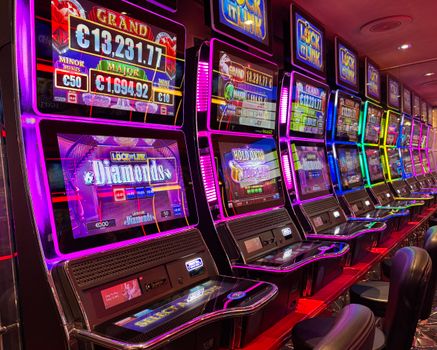
A 2021 study published in the Journal of Gambling Studies found that 74% of regular casino visitors engaged in at least one superstitious behavior each session. Examples ranged from selecting specific slot machines based on “lucky” patterns to tapping cards during blackjack.
This reliance on superstition can lead to several behavioral effects:
1. $1: Gamblers who believe in luck or rituals may take bolder risks, convinced that fortune is on their side. 2. $1: Rituals and beliefs can make the gambling experience more entertaining and personal, even if they have no real effect on outcomes. 3. $1: Superstitious gamblers are more likely to chase losses, believing that their luck will change if they continue.Interestingly, superstitions are not exclusive to inexperienced players. Even professional gamblers and high-rollers have been known to adhere to personal rituals, underscoring the powerful psychological role of superstition.
The Science: Can Superstition Really Influence Luck?
The central question remains: can superstition genuinely affect gambling results? Scientifically, the answer is clear—games of chance are governed by mathematical probabilities, not supernatural forces.
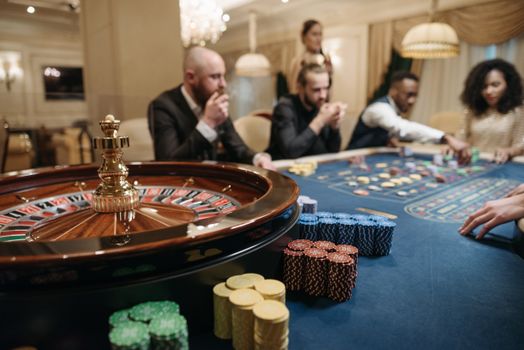
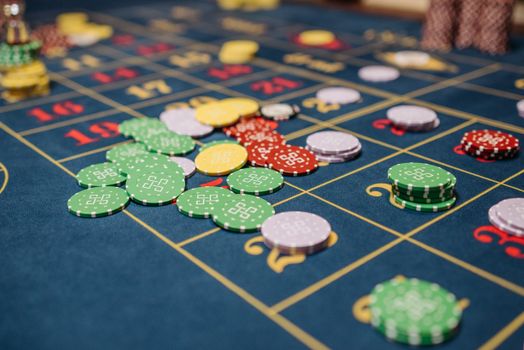
Random Number Generators (RNGs) ensure that outcomes in modern slot machines and online casinos are entirely unpredictable. The odds of hitting a specific number in roulette, for example, remain 1 in 37 (or 1 in 38 for American roulette), regardless of rituals or beliefs.
However, psychology reveals that superstitions can have indirect effects. The "lucky feeling" generated by rituals or charms may boost confidence and reduce anxiety, leading gamblers to make more decisive bets. In this sense, superstition acts as a placebo, improving the player’s subjective experience if not their actual odds.
A 2010 experiment at the University of Cologne demonstrated that participants who believed they had a lucky charm performed better in a simple skill-based game, not because the charm influenced the outcome, but because their confidence increased.
Cultural Differences in Gambling Superstitions
Superstitions are deeply rooted in cultural traditions, and gambling is no exception. The meaning of lucky and unlucky symbols, numbers, and actions varies dramatically around the world.
For example:
- $1: The number 8 is considered extremely lucky, symbolizing wealth and prosperity. Many Chinese gamblers will go out of their way to bet on 8 or play games involving this number. In contrast, 4 is avoided because its pronunciation resembles the word for "death." - $1: 17 is seen as unlucky, leading many Italian casinos to omit this number from their roulette wheels. - $1: The number 13 is widely avoided, and some casinos do not have a 13th floor or table. - $1: Objects like maneki-neko (beckoning cats) are believed to bring good fortune and are common in gambling establishments.The table below highlights some key cultural differences:
| Country/Region | Lucky Numbers | Unlucky Numbers | Common Gambling Superstitions |
|---|---|---|---|
| China | 8, 6 | 4 | Wearing red, betting on 8, avoiding 4 |
| Italy | 13 | 17 | Avoiding 17, embracing 13 |
| USA/UK | 7, 3 | 13 | Carrying lucky charms, avoiding 13 |
| Japan | 7, 8 | 4, 9 | Carrying maneki-neko, avoiding 4 and 9 |
Understanding these differences is crucial for international casinos and game developers catering to global audiences.
Superstition vs. Probability: Understanding the True Odds
While superstition fills the gap where knowledge is lacking, understanding probability is the real key to informed gambling. Casinos rely on mathematical edges—known as the house edge—to ensure long-term profitability. For example, the house edge in European roulette is 2.7%, while American roulette's double zero increases it to 5.26%.
Despite this, many gamblers continue to rely on rituals instead of statistics. A 2022 survey by the National Council on Problem Gambling found that only 27% of respondents could accurately describe the odds of their favorite games.
Here are some key facts about common gambling games:
- $1: The average payout percentage (RTP) ranges from 85% to 98%, but each spin is independent and unaffected by "hot" or "cold" streaks. - $1: Every spin is independent; previous outcomes do not influence future results, no matter what patterns seem to emerge. - $1: Unlike pure games of chance, poker combines luck with skill, but no amount of superstition can overcome the mathematics of probability in the long run.Ultimately, understanding the statistical underpinnings of gambling helps players make more rational decisions, even if they still indulge in the occasional lucky charm.
Modern Perspectives: The Persistence of Superstition in the Digital Age
With the rise of online gambling, one might expect superstition to wane. After all, digital platforms are driven by algorithms and transparent payout rates. Yet, superstition remains alive and well, often adapting to new formats.
Online gamblers may: - Choose usernames or passwords based on lucky numbers - Deposit funds at specific times or on certain dates - Gravitate toward digital slots themed around their favorite lucky symbolsA 2023 industry report from Statista found that 38% of online gamblers still engaged in some form of ritual or superstition, showing that technology has not diminished the psychological need for control.
Game developers have even capitalized on this, designing slots and games with themes of luck, fortune, and mysticism—proving that the human desire for luck and ritual is timeless.
Reflecting on Superstition and Luck in the World of Gambling
The intertwining of superstition and luck in gambling reflects deep-seated human instincts: the need for control, the search for meaning, and the hope that fortune can be swayed by belief or ritual. While science confirms that probability, not magic, determines the outcome of games of chance, superstition continues to shape the gambling experience for millions.
For some, these beliefs add excitement and personal significance to gambling. For others, they can cloud judgment and lead to risky decisions. The healthiest approach is a balanced one—enjoying the rituals and traditions that make gambling fun, while also respecting the mathematical realities that govern the odds.
As gambling evolves, both online and offline, one thing remains clear: whether you’re blowing on dice in a Las Vegas casino or clicking on a lucky slot in an online app, the dance between superstition and luck will always be a part of the game.