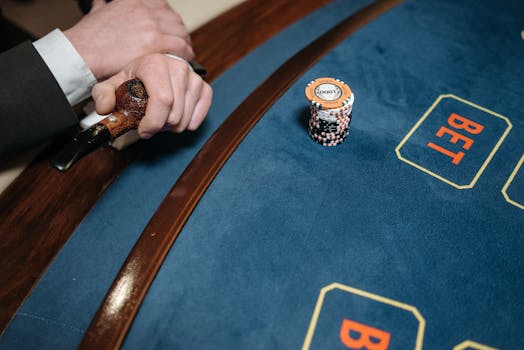
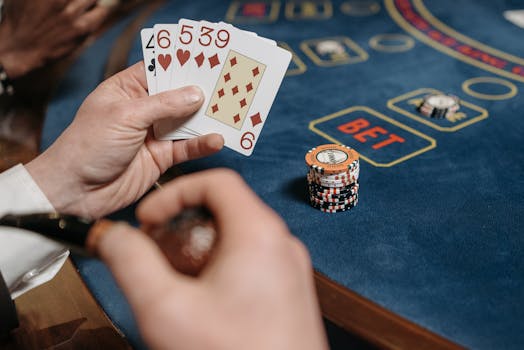
The interplay between superstition and luck is a perennial topic of interest in the world of gambling, where the allure of winning often collides with the enigmatic forces of chance and probability. This relationship, while largely psychological, plays a significant role in shaping the behaviors and strategies of gamblers worldwide.
The Nature of Superstition in Gambling
Superstitions in gambling range from the quirky to the ritualistic. Some players may have favorite machines or insist on performing specific actions before placing a bet. Others adhere to broader cultural beliefs, such as the avoidance of certain numbers or colors that are deemed unlucky. These behaviors stem from a deeply rooted human need to impose order and predictability on activities governed by randomness.
.png)
Psychological Underpinnings
The prevalence of superstition among gamblers can be largely attributed to what psychologists call the "illusion of control." This cognitive bias leads individuals to overestimate their influence over events that are, in fact, determined by chance. By clinging to various superstitions, players believe they are swaying the odds in their favor, which can make the gambling experience less anxiety-inducing and more enjoyable.
The Role of Luck
Luck, as perceived in gambling, is an acknowledgment of the random nature of games. It is the unpredictable and uncontrollable element that can bring about unexpected wins or losses. While gamblers know that all casino games have a built-in house edge, the concept of luck allows them to hope for positive outcomes despite the odds being against them.
Impact on Gambling Behavior
Superstitions can significantly influence how gamblers play. For instance, a player who believes they are lucky may take greater risks, which can sometimes lead to substantial payouts or, alternatively, severe losses. On the other hand, those who feel unlucky might be overly cautious, potentially missing out on profitable situations. These behaviors underscore how psychological factors, fueled by superstition and the belief in luck, can deviate from optimal betting strategies.
Cultural Influences
Cultural background plays a crucial role in shaping gambling superstitions. For example, in Western cultures, the number 13 is often avoided, while in Chinese and other East Asian societies, the number 4 is considered unlucky. Conversely, the number 8 is seen as particularly auspicious in Chinese culture. Such cultural superstitions can influence everything from bet sizes to the games that individuals choose to play.
Scientific Perspective and Placebo Effect
From a scientific viewpoint, the randomness inherent in gambling means that superstitions cannot influence the outcome of a game. Games of chance use random number generators or similar mechanisms to ensure fairness and unpredictability. However, the psychological impact of believing in superstitions can mimic a placebo effect. If a gambler believes that a particular ritual or lucky charm works, this belief alone may enhance their confidence and affect their behavior in ways that appear to affirm their superstitions.
Conclusion
While there is no scientific basis to support the efficacy of superstitions in altering gambling outcomes, their influence on player psychology and behavior is undeniable. Superstitions provide comfort and a sense of control in the face of uncertainty, shaping the gambling experience in profound ways. For gamblers, being aware of how these beliefs affect their decision-making might lead to more enjoyable and responsible gaming practices. Ultimately, whether or not one believes in the power of luck or superstition, understanding their psychological impact is key to navigating the complexities of gambling.