Superstitions in the casino environment are a fascinating blend of cultural traditions, personal rituals, and psychological coping mechanisms that significantly shape the gambling experience. From avoiding the number 13 to wearing red for luck, these practices are deeply ingrained in the gambling scene and influence both the behavior of players and the strategic decisions of casino operators.
The Role of Superstitions in Casino Design and Marketing
Casino operators are well aware of the superstitions held by their clientele and often design their environments to cater to these beliefs. The absence of the number 13 in floor and table numbering, and the prevalence of the color red in decor are just a few examples of how casinos integrate cultural beliefs into their design. This thoughtful design strategy not only makes players feel more comfortable but can also make the gambling experience more appealing to a superstitious audience.
.png)
Personal Superstitions and Gameplay Decisions
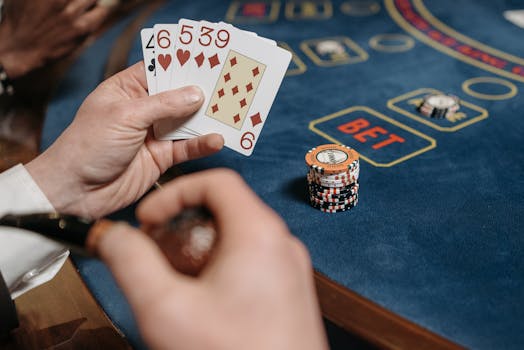
Many gamblers bring personal superstitions or lucky charms into play, believing these objects or rituals, such as kissing a dice, will sway odds in their favor. While these actions do not affect the outcomes—since casino games are primarily based on random chance—they provide a sense of control and confidence, which can enhance the gambling experience.
Psychological Impact and Player Strategy
The crux of why superstitions persist in gambling lies in the player’s psychological response to uncertainty. By engaging in superstitious practices, players feel they can impose some order or predictability in a fundamentally random context. This placebo effect can make the high stakes and unpredictability of gambling more psychologically manageable.
Moreover, these beliefs can influence the decisions players make, from choosing specific games to altering bet sizes. For example, a player may prefer card games over slot machines because they believe their lucky charm has more influence when they can physically touch the cards or chips.
Casinos Leveraging Superstitions
Casinos capitalize on these superstitions not only through design and ambiance but also by crafting marketing messages that align with these beliefs. Promotions might be run on supposedly lucky days, or big jackpot wins might be advertised to coincide with these dates to draw in crowds who feel the days are auspicious.
The Double-Edged Sword of Superstitions in Gambling
While superstitions can make gambling more exciting and personally meaningful, they also pose risks. Players might make less rational decisions, influenced by their beliefs rather than the odds or game rules. This can lead to larger financial losses and an unrealistic assessment of one’s chances of winning.
Balancing Superstition and Rational Play
For many, the key to enjoying gambling while minimizing risks lies in balancing superstition with a sound understanding of gambling mechanics. Recognizing that superstitions are more about emotional comfort than altering game outcomes can help maintain this balance. Players who enjoy their rituals can continue to do so as long as they keep their actions within the realm of fun and do not let superstitions dictate their play to the detriment of their financial health.
In sum, while superstitions are a deeply embedded aspect of casino culture and personal gameplay, maintaining a clear-eyed view of their impacts and limitations is crucial for responsible gambling. Casinos and players alike thrive best in an environment where fun and rationality coexist, allowing for both the enjoyment of the game and the preservation of sound gambling practices.