The Role of Rituals and Superstitions in Gambling
Gambling, a pastime enjoyed by millions worldwide, is not just about luck and strategy; it's also deeply intertwined with various rituals and superstitions. These practices, ranging from wearing a lucky charm to performing specific pre-game rituals, play a significant role in the gambling experience. But why are such superstitions so prevalent in gambling, and what impact do they have on gamblers?
Psychological Comfort in Uncertainty
.png)
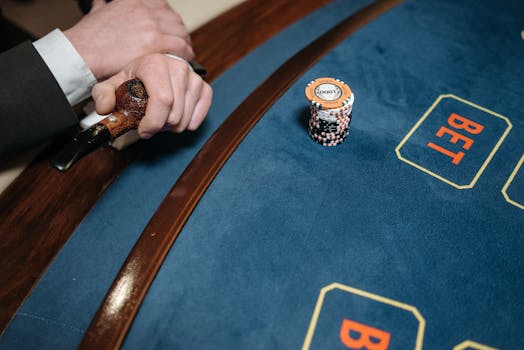
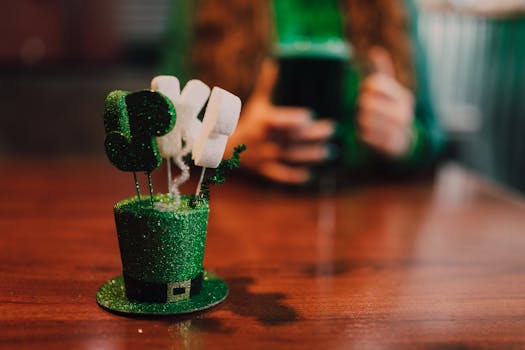
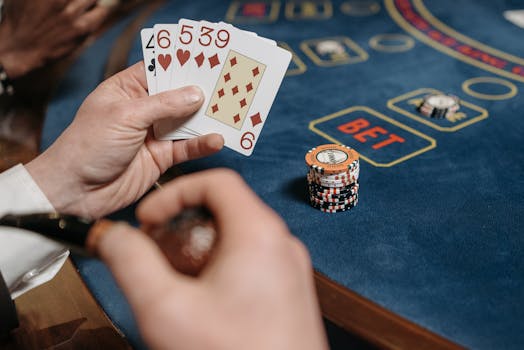
Gambling inherently involves a high degree of uncertainty and risk. For many players, rituals and superstitions provide a psychological anchor, offering comfort and a sense of control in an unpredictable environment. Whether it's wearing a lucky hat or tapping the poker table three times before a card is turned, these actions can help reduce anxiety and increase a player’s confidence, making the gambling experience more enjoyable.
Cultural and Social Dimensions
Rituals and superstitions in gambling are not only about individual beliefs but are often shared among communities, creating a collective experience. For instance, in craps, it is common to see players blowing on dice for good luck, a practice that promotes social bonding and enhances the communal aspect of gambling. These shared beliefs reinforce the cultural traditions surrounding gambling and contribute to its enduring popularity.
Influence on Casino Design
Casinos are keenly aware of the superstitions held by gamblers and often design their environments to cater to or exploit these beliefs. The strategic placement of certain games, the design of the casino floor, and even promotional strategies are influenced by an understanding of gambler psychology, including their rituals and superstitions. This manipulation of the environment can enhance the gaming experience but also encourages players to stay longer and potentially gamble more.
Risks and Negative Consequences
While many gamblers engage in superstitions harmlessly, for some, these beliefs can lead to problematic behaviors. The illusion of control that superstitions provide can contribute to the gambler's fallacy—the erroneous belief that one can predict or influence purely chance outcomes based on past events. This can lead to excessive gambling, chasing losses, and difficulty stopping despite negative consequences.
Enhancing the Gambling Experience
Despite potential risks, for many, superstitions are a fun and integral part of gambling. They add an element of ritual and personal significance to the games, enhancing the overall entertainment value. For casual gamblers, these practices can make the experience more thrilling and memorable, provided they remain within the realm of harmless amusement.
Conclusion
Rituals and superstitions in gambling are a fascinating reflection of human nature's quest for control in the face of uncertainty. They offer psychological comfort, enhance social interactions, and enrich the cultural tapestry of gambling practices. While it's important to approach these beliefs with caution to avoid the pitfalls of excessive gambling, they are a deeply rooted aspect of the gaming world that adds to its allure and excitement. Understanding and respecting the role of these practices can lead to a more informed, enjoyable, and responsible approach to gambling.