The glimmering lights, the whirl of spinning roulette wheels, and the suspense at the blackjack table—casinos are designed to thrill. But beneath the excitement lies a mathematical reality that shapes every bet and every outcome: the house edge. Understanding the house edge is crucial for anyone hoping to maximize their luck and enjoyment in a casino. While luck is often seen as the deciding factor in gambling, the house edge is the silent force that quietly tips the scales in favor of the casino. So, how does the house edge impact your casino luck? Let’s unravel the numbers and see what lies behind the games of chance.
What Is House Edge and Why Does It Matter?
The house edge is a foundational concept in gambling. In simple terms, the house edge represents the average percentage of each bet that the casino expects to keep over the long run. It’s built into the rules of every game, ensuring that the casino is always profitable over time.
For example, if a game has a house edge of 2%, it means that for every $100 wagered, the casino will, on average, keep $2 as profit. The remaining $98 is returned to players as winnings. This doesn’t mean that every player loses exactly 2% of what they wager—luck can cause short-term swings in either direction. However, over thousands or millions of bets, the house edge exerts its influence with remarkable consistency.
.png)
House edge matters because it directly affects your odds of winning in both the short and long term. Games with higher house edges tend to drain your bankroll faster, while games with lower house edges give you a better shot at walking away a winner. It's not just about luck; it's about the mathematical structure that underpins every spin, hand, or roll of the dice.
How House Edge Differs Across Popular Casino Games
Not all casino games are created equal when it comes to house edge. Some games offer players a fighting chance, while others are heavily stacked in the casino’s favor. Here’s a comparison of house edges for some of the most popular games you’ll find on the casino floor:
| Game | Typical House Edge (%) | Notes |
|---|---|---|
| Blackjack | 0.5 – 2.0 | Depends on rules & player strategy |
| Roulette (European) | 2.7 | Single zero wheel |
| Roulette (American) | 5.26 | Double zero wheel |
| Baccarat (Banker bet) | 1.06 | Best odds in baccarat |
| Baccarat (Player bet) | 1.24 | Still favorable |
| Slots | 2.0 – 15.0 | Varies widely by machine |
| Craps (Pass Line) | 1.41 | With optimal play |
| Keno | 20.0 – 35.0 | One of the highest house edges |
As the table shows, your choice of game can drastically shape your odds. For instance, playing European roulette instead of American roulette nearly halves the house edge. Slot machines, while popular for their big jackpots, can have house edges ranging from a moderate 2% to a punishing 15% or more, depending on the machine and payout structure.
The Subtle Influence of House Edge on Luck
The concept of luck is central to gambling, but luck doesn’t operate in a vacuum. The house edge quietly shapes the destiny of every player by influencing the probability of winning and the size of potential payouts.
Let’s take a deeper look at how the house edge interacts with your fortune:
1. $1 In the short run, anything can happen. A lucky streak at the craps table can double your chips, and a single spin of the slot reels could trigger a life-changing jackpot. But over time, the house edge ensures that the odds slowly turn against you. This is why casinos can operate profitably year after year, despite the occasional big win by a player. 2. $1 Games with a high house edge tend to have bigger swings—think slot machines and keno. These games offer the allure of large payouts, but the odds are heavily stacked against you. In contrast, games with a lower house edge, like blackjack or baccarat, offer a steadier experience where your money tends to last longer, giving luck more opportunities to work in your favor. 3. $1 The higher the house edge, the faster your bankroll is likely to diminish, even with lucky wins along the way. For example, if you play a slot machine with a 10% house edge and bet $1,000 over several hours, you can expect to lose about $100 on average, regardless of short-term fluctuations.Payouts, Probabilities, and the Illusion of Luck
Casinos are masters at making games feel fair and exciting, but the payouts are always carefully calibrated to ensure the house edge remains intact. Let’s examine how this works:
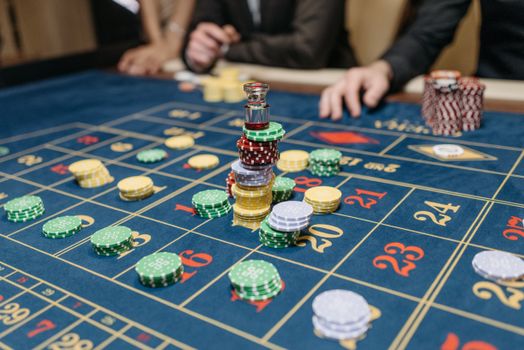
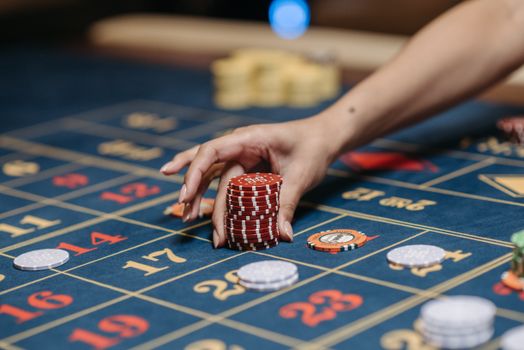
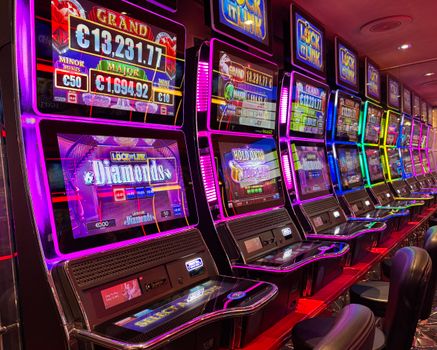
- $1 In European roulette, betting on a single number pays 35 to 1. However, the true odds of hitting your number are 1 in 37 (since there are 37 slots, including zero). If the payout matched the true odds (36 to 1), there would be no house edge. The difference—paying 35 to 1 instead of 36 to 1—is the house’s built-in profit margin. - $1 In blackjack, the house edge is shaped by rules such as whether the dealer hits or stands on soft 17, the number of decks used, and whether doubling after splitting is allowed. Basic strategy can reduce the house edge to as little as 0.5%, but most casual players make enough mistakes to push it higher. - $1 Unlike table games, slot machines have their house edge hidden in their payout tables and random number generators. Players may experience frequent small wins that keep the excitement alive, but over time, the programmed house edge ensures the casino profits.This careful design creates an illusion of luck and fairness, even as the mathematics quietly favor the house.
Strategies for Managing House Edge and Enhancing Your Luck
While you can’t eliminate the house edge, you can make choices that maximize your chances and extend your playtime—giving luck more chances to shine.
1. $1 Prioritize games like blackjack (with basic strategy), baccarat (banker bet), or craps (pass line) to reduce your expected losses. 2. $1 In skill-based games, understanding optimal strategies can shrink the house edge. For example, following basic blackjack strategy reduces the edge to nearly its minimum. 3. $1 Steer clear of propositions like American roulette, keno, and the “tie” bet in baccarat, which can have house edges exceeding 10% or even 20%. 4. $1 Determine in advance how much you’re willing to spend and stick to it. Smaller, more frequent bets on low house edge games can stretch your entertainment value and give luck more opportunities to turn in your favor. 5. $1 While comps (like free meals or hotel stays) don’t change the house edge, they add value to your experience and can offset some of your expected losses.House Edge vs. RTP: Understanding the Flip Side
Another term you’ll often see, especially with slot machines and online games, is RTP, or Return to Player. RTP is the percentage of all wagered money that a game will pay back to players over time. It is essentially the inverse of the house edge.
For example, if a slot machine has an RTP of 95%, the house edge is 5%. Here’s a quick comparison:
| Game | House Edge (%) | RTP (%) |
|---|---|---|
| Blackjack (optimal play) | 0.5 | 99.5 |
| European Roulette | 2.7 | 97.3 |
| Slot Machine (typical) | 5.0 | 95.0 |
Understanding both house edge and RTP can help you make more informed choices and spot the best opportunities for stretching your luck.
Final Thoughts: House Edge and the Real Nature of Casino Luck
Luck is the heartbeat of every casino, drawing in hopeful players with dreams of hitting it big. But as we’ve seen, the house edge is the foundation that keeps the casino’s lights burning bright. It’s a subtle but powerful force that shapes your outcomes, whether you’re rolling dice, spinning slots, or facing off against the dealer.
Smart players respect the house edge, choosing games and bets that give them the best possible shot while managing their bankrolls wisely. Understanding house edge doesn’t guarantee a win, but it arms you with the knowledge to make better choices—and perhaps walk away a little luckier than most.
Ultimately, your casino luck is a blend of chance, choice, and mathematics. The house edge reminds us that while fortune can favor anyone in the short run, the odds always have the last word.