The Psychology of Winning: How Casinos Play with Your Mind
Casinos are often described as adult playgrounds—a dazzling world of lights, sounds, and excitement. But behind the thrilling surface lies a complex web of psychological strategies carefully designed to keep players engaged, spending, and coming back for more. From the arrangement of slot machines to the colors of the carpet, every detail in a casino is calculated to influence decision-making, perception, and behavior. This article delves deep into the psychology of winning and uncovers how casinos use subtle (and sometimes not-so-subtle) tricks to play with your mind.
The Allure of Near Misses: Why Almost Winning Feels So Good
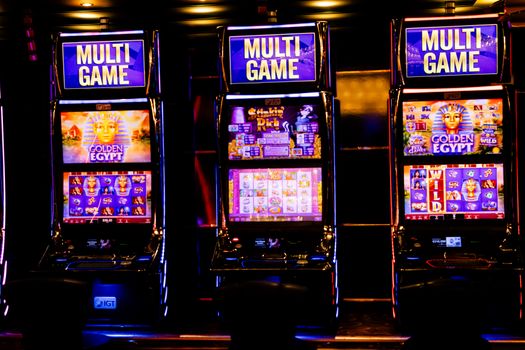
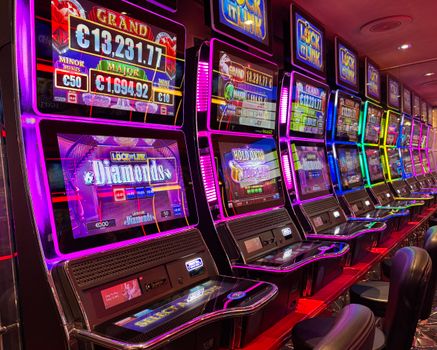
One of the most powerful psychological tactics casinos use is the concept of the "near miss." In slot machines, a near miss occurs when the reels stop just one symbol away from a big win. Research has shown that near misses activate the same regions of the brain as actual wins, releasing dopamine—the chemical associated with pleasure and reward.
In a 2010 study published in $1, participants who experienced near-miss outcomes reported higher motivation to continue playing, even though they had technically lost. This phenomenon is so influential that modern slot machines are designed to display near misses more frequently than random chance would dictate.
.png)
Slot manufacturers use algorithms to ensure that near misses are common, creating an illusion of being "so close" to hitting the jackpot. This keeps players engaged and encourages them to keep spinning, chasing the elusive win that seems just around the corner.
Sensory Overload: How Lights, Sounds, and Scents Influence Behavior
Casinos are a masterclass in sensory manipulation. Every light, sound, and even scent is meticulously engineered to maximize player engagement and comfort. Here’s how different sensory elements play their part:
- $1 The constant flashing and vibrant colors of slot machines and table games are not just for show. According to a 2017 report by the American Gaming Association, multicolored flashing lights have been shown to increase excitement and time spent at machines by up to 24%. - $1 The triumphant jingles, coins clinking, and applause heard throughout the casino are often artificial and programmed to play at frequent intervals. A 2012 study from the University of British Columbia found that people exposed to "winning" sounds perceived wins as more frequent, even when losses were the majority outcome. - $1 Some casinos use subtle fragrances to create a welcoming and relaxed atmosphere. For example, a notable test at the Las Vegas Hilton showed that slot machine revenue increased by 45% in areas where a pleasant scent was introduced.The combination of these sensory cues works to override rational decision-making, keeping players immersed and less aware of time and money spent.
Time Distortion: The Casino Floor as a Timeless Environment
Have you ever noticed that casinos rarely have windows or clocks? This is no accident. Casinos are designed to create a timeless environment, making it easy for guests to lose track of the hours.
A 2003 study published in the $1 found that the absence of clocks and natural light in casinos led to players spending an average of 30% more time gambling compared to controlled environments with visible time cues. Without any markers of the outside world, players become fully absorbed in the casino experience, making it harder to disengage.
The layout of the casino floor also contributes to this effect. Designed like a maze, it encourages wandering past more games and attractions, exposing players to new opportunities to gamble with every turn.
Reward Systems and Variable Reinforcement: The Power of Unpredictability
One of the most compelling aspects of gambling is the unpredictability of rewards. Casinos rely heavily on what psychologists call "variable ratio reinforcement"—a reward schedule where wins are delivered at unpredictable intervals. This is the same principle that makes slot machines and games of chance so addictive.
To illustrate, let’s compare different types of reward systems:
| Reward System | Description | Example in Gambling | Psychological Effect |
|---|---|---|---|
| Fixed Ratio | Reward after a set number of actions | Collect a prize for every 10 plays | Predictable, less engaging long-term |
| Fixed Interval | Reward after a set amount of time | Hourly bonus spins | Anticipation builds, but plateaus |
| Variable Ratio | Reward after a random number of actions | Slot machine payouts | Highly addictive, unpredictable |
| Variable Interval | Reward after a random amount of time | Random jackpot triggers | Moderately addictive, keeps attention |
Variable ratio reinforcement is especially potent because players never know when the next win will occur. This unpredictability triggers a powerful psychological response, leading to persistent play and, in some cases, problem gambling.
Social Proof and Illusions of Control: How Other Players Influence Your Bets
Casinos are social spaces, and the behavior of others can profoundly impact your own choices. Social proof—the idea that people look to others for cues on how to act—is everywhere on the casino floor.
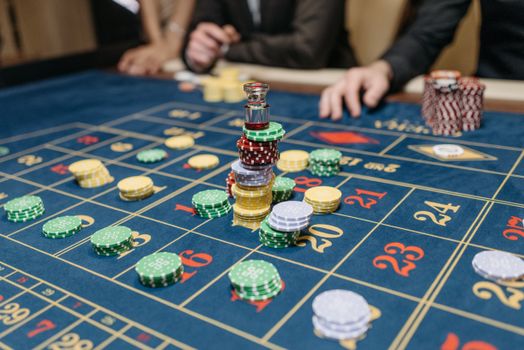
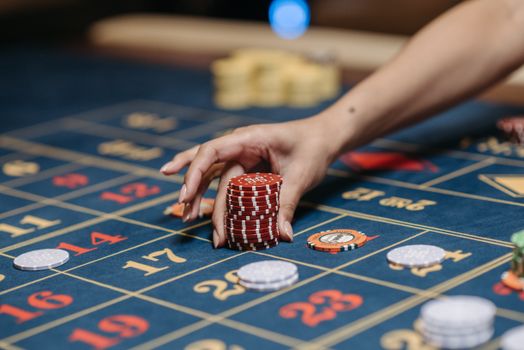
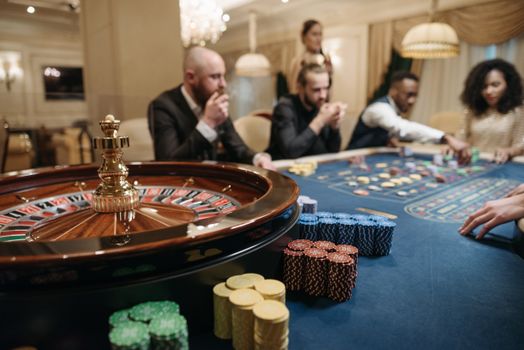
- $1 When someone wins a jackpot, lights flash and staff make a show of congratulating the winner. This spectacle is designed to convince others that big wins are common and within reach. - $1 Games that attract crowds, such as craps or roulette, create excitement and a sense of community. Players are more likely to join a busy table, believing that something special is happening. - $1 Table games often allow players to make choices (e.g., which number to bet on in roulette or how to play their hand in blackjack). Studies have shown that when people feel they have control—even if it’s illusory—they tend to wager more and play longer.A 2015 survey by the National Council on Problem Gambling found that 62% of players believed their skills or strategies could influence outcomes in games of pure chance. This overestimation of control, combined with the influence of others, feeds into a cycle of sustained play.
The Loyalty Loop: Comp Rewards and the “Sunk Cost” Fallacy
Casinos are experts at cultivating player loyalty through rewards programs, also known as “comps.” These incentives—free drinks, meals, hotel rooms, or even tickets to shows—are not just acts of generosity. They are calculated investments in continued patronage.
When players receive comps, they often feel compelled to “earn” them by continuing to play. This taps into the sunk cost fallacy—the tendency to continue an endeavor once an investment in money, effort, or time has been made. In a 2018 analysis by UNLV’s Center for Gaming Research, it was found that players enrolled in rewards programs spent, on average, 32% more per visit than non-members.
Casinos also use tiered loyalty systems, encouraging players to spend more in order to unlock higher levels of perks. This creates a psychological loop where players are motivated to keep gambling not just for the potential of winning, but to avoid losing their status or rewards.
Final Thoughts: Staying Aware in the Casino Mind Game
The psychology of winning in casinos is less about luck and more about calculated design. From near misses and sensory manipulation to unpredictable rewards and social influences, every aspect of the casino environment is crafted to keep you playing. Understanding these techniques is the first step in recognizing how your mind is being influenced each time you step onto the gaming floor.
Casinos are not inherently deceptive or malicious—they provide entertainment for millions of people worldwide. However, being aware of psychological strategies can help you make more informed choices, manage your budget, and enjoy gambling responsibly. By recognizing the subtle cues and tactics at play, you can take back some control in an environment specifically designed to keep you spinning, betting, and chasing that next big win.