Casinos are more than just places to test your luck—they are meticulously designed environments engineered to maximize excitement and spending. While much has been said about the sounds, scents, and layouts of casinos, one of the most subtle yet powerful influences on player behavior is color. The psychology of colors in casinos plays a crucial role in shaping moods, encouraging risk-taking, and even guiding decisions at the tables and slots. But how do these vibrant hues sway our choices, and which colors are most commonly used to steer gamblers’ actions? Let’s dive into the fascinating world of color psychology in casinos and discover how these visual cues can affect your decision-making.
The Power of Color: Why Casinos Care So Much
Color is not just a decorative element; it is a psychological tool that can evoke powerful emotional responses. Studies have shown that color can influence everything from our heart rates to our willingness to take risks. For instance, a 2017 study published in the journal $1 found that certain colors can increase physiological arousal, sharpening attention and even promoting impulsive behavior.
Casinos leverage this research, blending artistry with science in their choice of color palettes. With global gambling revenues exceeding $450 billion annually, every detail matters—and colors are a low-cost, high-impact way to influence customer experience and behavior. Whether it’s the rich reds of the carpets or the calming blues of the poker room, each color is carefully chosen for its psychological effect.
.png)
How Different Colors Affect Gambling Behavior
Not all colors are created equal, and each hue has its own psychological associations. Here are some of the most commonly used colors in casinos and the behavioral effects they are believed to produce:
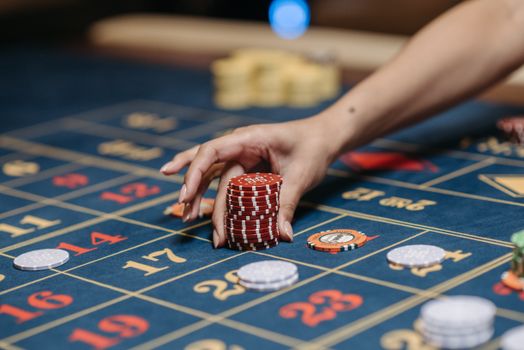
Red: Often seen on carpets, walls, and gaming tables, red is associated with excitement, energy, and stimulation. Research from the University of Rochester found that red can increase heart rate and invoke a sense of urgency—encouraging faster, riskier bets.
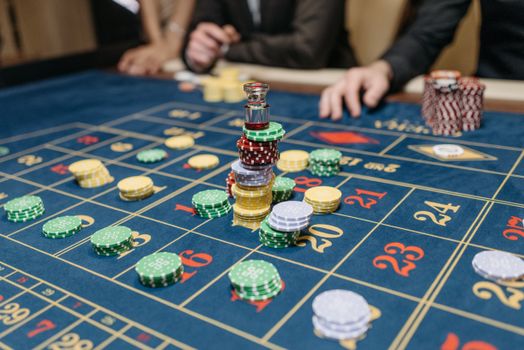
Blue: In contrast, blue is calming and associated with trust and stability. Casinos often use blue lighting or decor in areas where they want players to feel comfortable and stay longer, such as poker rooms or lounges.
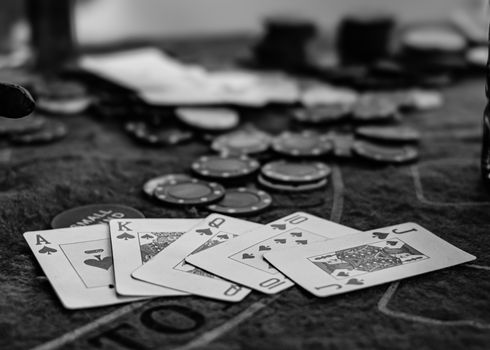
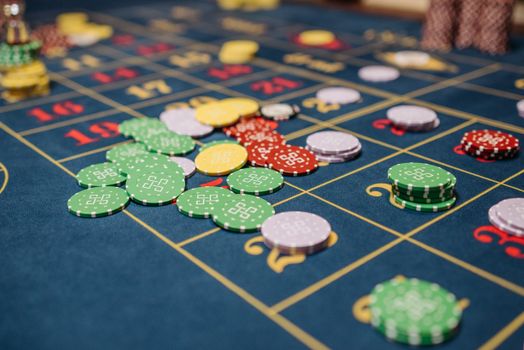
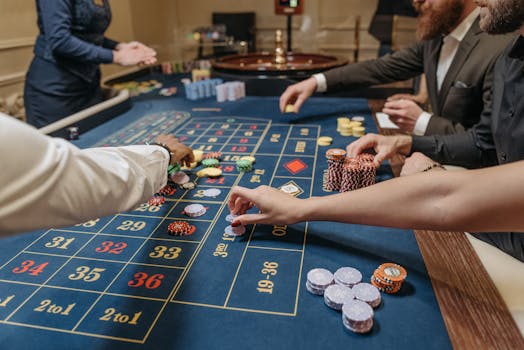
Green: Green is linked with relaxation and luck. The classic green felt of gambling tables is no accident; it’s intended to put players at ease, reduce anxiety, and create a sense of optimism.
Gold and Yellow: These colors are associated with wealth, luxury, and success. Gold accents and yellow lighting are prevalent in high-roller areas, subtly reminding players of the riches that could be theirs.
Purple: Purple combines the energy of red and the calm of blue, and is often used to create an aura of opulence and exclusivity.
Let’s look at a comparison table that summarizes these effects:
| Color | Psychological Effect | Common Casino Use |
|---|---|---|
| Red | Excitement, urgency, increased energy | Carpets, walls, slot machines |
| Blue | Calmness, trust, prolonged stay | Poker rooms, bars, lounges |
| Green | Relaxation, optimism, luck | Table felt, plants, some walls |
| Gold/Yellow | Luxury, wealth, positivity | High-roller rooms, accents, lighting |
| Purple | Opulence, exclusivity | VIP areas, lighting effects |
Color Placement: Where and Why Casinos Use Specific Hues
Casino designers don’t just pick colors randomly—they strategically place them to guide behavior and create distinct atmospheres in different zones.
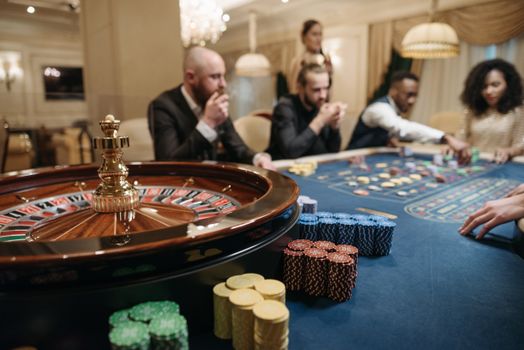
For example, the gaming floor is often dominated by red and gold tones, fostering energy and a sense of opportunity. In contrast, cash-out areas or rest zones might use blues and greens to encourage relaxation, giving players a psychological “reset” before they head back to the action.
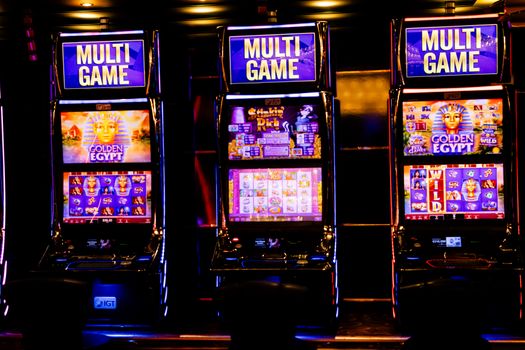
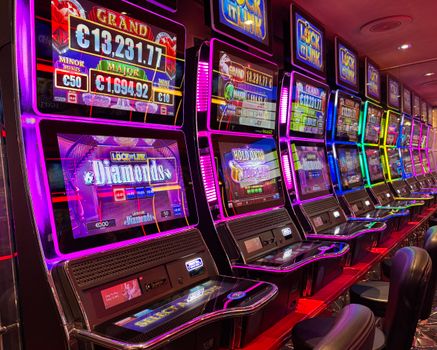
Slot machines are another prime example: bright reds and yellows are used to attract attention, while flashing lights in a rainbow of hues keep the excitement high. Meanwhile, poker rooms tend to favor subdued blues and greens, helping players focus and remain calm during tense hands.
Interestingly, even bathrooms and exits are often painted in less stimulating colors like beige or gray. This reduces the temptation to linger in these non-revenue areas and subtly nudges players back toward the gaming floor.
The Science Behind Color and Risk-Taking
Why do certain colors make us bolder or more cautious? The answer lies in how our brains process color signals. Visual input travels from the retina to the hypothalamus, influencing hormones and neurotransmitters that regulate mood, alertness, and risk appetite.
A notable experiment conducted by researchers at the University of British Columbia in 2009 found that red environments are more likely to promote quick decision-making and risk-taking, while blue environments encourage thoughtful, careful choices. In gambling settings, this can mean the difference between a rash bet and a calculated one.
In Las Vegas, for example, the famous Bellagio casino uses warm reds and golds extensively on its main floor, while its poker room is decked out in cool, calming colors. This is not just an aesthetic preference but a deliberate strategy to match the psychological state required for each type of gambling activity.
Case Studies: Casino Color Schemes in Action
Let’s look at how some of the world’s most successful casinos use color to influence their patrons:
Bellagio (Las Vegas): The Bellagio’s gaming floor is a symphony of reds, golds, and purples, designed to keep energy high and create an atmosphere of wealth and excitement. Its poker room, however, features deep blues and greens, fostering focus and calm among serious players.
Casino de Monte-Carlo (Monaco): This iconic European casino uses lush reds and gold trim to evoke opulence and sophistication, while soft lighting in VIP lounges uses cooler hues to help high-stakes players relax.
Marina Bay Sands (Singapore): The casino floor is a riot of red and gold, but the SkyPark lounge uses soft blues and whites, giving guests a break from the intensity and encouraging them to stay longer.
These real-world examples demonstrate how intentional color choices can drive both mood and behavior, translating into higher revenues and longer player engagement.
Beyond the Casino Floor: Digital Gambling and Color Psychology
With the rise of online casinos—expected to generate over $92 billion globally by 2023—the role of color has expanded into the digital realm. Online platforms use the same psychological principles, but with even greater control over visual stimuli.
Bright reds and yellows are common in online slot games, while virtual poker rooms are bathed in soft greens and blues. Mobile gambling apps use color cues to guide users, highlight promotions, and create a sense of urgency with flashing red notifications. A 2022 survey by the Interactive Gambling Council found that 61% of online players reported feeling “more excited” by games with vibrant colors and flashing lights.
Color psychology is also harnessed in digital loyalty programs, with gold or platinum color schemes used to signify status and encourage continued play.
Why Understanding Casino Color Psychology Matters for Players
Knowing how casinos use color to influence your emotions and decisions can help you become a more mindful gambler. The next time you step onto a casino floor or open an online gambling site, take a moment to notice the colors around you. Are you being nudged to feel excited, relaxed, or lucky? Recognizing these cues can give you the mental distance needed to make more rational decisions.
Being aware of these subtle influences is not just interesting—it can be empowering. As gambling technology evolves, so too will the sophistication of these psychological techniques. Staying informed is the best way to keep your choices truly your own.