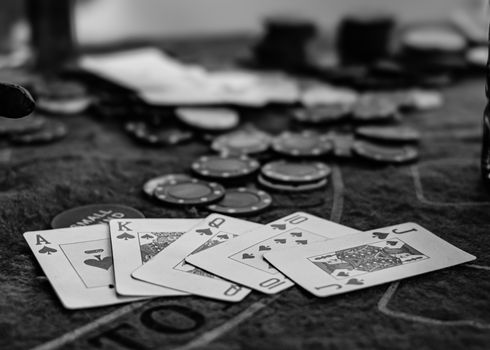
Poker is a game that captures the imagination of millions worldwide. Its allure lies not only in the tension of the turn of a card but in the fascinating interplay between luck and strategy. Many newcomers believe poker is just another game of chance, no different than spinning the roulette wheel. Yet, the world’s best players know a deeper truth: long-term poker success is driven by strategy, not luck.
In this article, we’ll explore the crucial reasons for choosing strategy over luck in poker. We’ll look at how professional players tilt the odds in their favor, examine real-world evidence, and show you how adopting a strategic mindset can transform your game. Whether you’re a casual player or aspire to play at higher stakes, understanding the primacy of strategy is your key to lasting poker success.
Luck Versus Strategy: Understanding the Poker Paradox
At first glance, poker seems ruled by fortune. The shuffle of the deck, the randomness of the flop, and the uncertainty of opponents’ hands make it appear unpredictable. However, this only tells part of the story.
.png)
Each hand you play is influenced by luck in the short term. You might have pocket aces and lose to a weaker hand, or win big on a risky bluff. But as the sample size grows — over hundreds, thousands, or even millions of hands — the influence of luck evens out. What separates winners from the rest is their ability to make the best decisions repeatedly.
A 2015 study published in PLOS ONE analyzed more than 456 million online poker hands. Researchers found that, after just 1,500 hands, skill began to outweigh luck in determining a player’s results. In contrast, games like roulette or slots remain governed almost entirely by chance, no matter how many times you play.
This distinction highlights a crucial truth: while you can’t eliminate luck in poker, you can minimize its impact and maximize your control through strategic decision-making.
The Pillars of Poker Strategy: What the Pros Know
So what does “strategy” mean in the context of poker? It’s far more than memorizing which hands to play. Professional players rely on a combination of mathematical analysis, psychological acumen, and disciplined risk management. Here’s a closer look at the core pillars:
1. $1: Not all hands are created equal, and your seat at the table can dramatically affect your odds. For example, playing suited connectors (like 7♠ 8♠) from late position can be profitable, while the same hand from early position is often a losing proposition. 2. $1: Top players calculate the risk and reward of every decision. If the pot offers 4-to-1 odds and your chance of winning is higher than 20%, it’s a profitable call. Applying these calculations consistently is what separates skilled players from gamblers. 3. $1: Strategy includes the ability to interpret betting patterns, spot bluffs, and exploit weaknesses. Daniel Negreanu, a six-time World Series of Poker (WSOP) bracelet winner, is renowned for his uncanny ability to read his opponents, turning psychology into profit. 4. $1: Even the best strategy loses to bad luck in the short run. That’s why professionals carefully manage their funds, ensuring they can withstand inevitable downswings and keep playing their “A-game.” 5. $1: The best poker minds constantly analyze their play, review hand histories, and adjust their strategies to evolving trends. In the age of online poker, software tools like PokerTracker and solvers have raised the strategic bar even higher.Real-World Evidence: Strategy Triumphs Over Luck
The best proof of strategy’s power comes from observing professional poker. Consider the World Series of Poker Main Event — the most prestigious tournament in the world. With thousands of entrants each year, you’d expect random winners if luck ruled. But several players, like Phil Hellmuth (16-time WSOP bracelet winner) and Johnny Chan (10-time winner), have demonstrated sustained excellence over decades.
Online poker further confirms this pattern. In 2021, PokerStars released anonymized data showing that players who ranked in the top 5% for skill consistently earned returns of 10-15% on their investment over millions of hands. Meanwhile, beginners and those relying on luck experienced negative returns, often losing more than 20% of their buy-ins over time.
Let’s compare poker to pure games of chance to illustrate this difference:
| Game | Luck vs. Strategy | Long-Term Winners (%) | Skill Impact |
|---|---|---|---|
| Poker (Texas Hold’em) | 60% Strategy / 40% Luck | 10-15% | High |
| Blackjack | 50% Strategy / 50% Luck | 5-8% | Moderate |
| Roulette | 100% Luck | 0% | None |
| Slot Machines | 100% Luck | 0% | None |
This table demonstrates that only in poker (and, to a lesser extent, blackjack) does skill and strategy translate into consistent long-term winners.
Common Strategic Mistakes: How Luck Seduces Players
Despite the evidence, many players still fall into the trap of relying on luck. Here are some of the most common strategic mistakes:
- $1: After a bad beat, players often double down, hoping luck will turn. This “tilt” behavior usually leads to bigger losses. - $1: Novices often believe every hand can be a winner. In reality, folding weak hands is a core strategic principle. - $1: Acting early in a betting round puts you at a disadvantage. Professionals exploit their position relentlessly, extracting maximum value. - $1: Assuming everyone is bluffing, or never bluffing, leads to costly errors. - $1: A few lucky wins can convince players they’re invincible, leading to reckless play.By recognizing and correcting these errors, you shift your approach from wishful thinking to calculated action.
Building a Strategic Poker Mindset
Moving from a luck-based to a strategy-driven approach requires a mental shift. Here’s how to cultivate a winning poker mindset:
1. $1: Understand that even perfect strategy can lose in the short run. Don’t judge your play solely by results; focus on making the best decisions. 2. $1: Use tracking tools and hand histories to identify leaks in your game. Many top players spend as much time reviewing as playing. 3. $1: Set aside separate funds for poker and never play above your limits, no matter how “lucky” you feel. 4. $1: Poker is constantly evolving. Read books, watch training videos, and discuss hands with better players. 5. $1: Develop resilience to avoid “tilt” after bad beats. Meditation, breaks, and self-talk can help maintain focus.A 2019 study by the University of Helsinki found that players who practiced mindfulness reduced their tilt episodes by 23% and improved win rates by 6%.
When Luck Matters: The Role of Chance in Poker
It’s important not to dismiss luck entirely. In the short term, luck can be a double-edged sword. You might win a huge pot with a lucky river card or lose to an unlikely draw. These swings are what make poker exciting, and they also attract weaker players who believe they can get lucky.
But here’s the key: luck can win you a hand, but only strategy wins you the game. Over hundreds or thousands of hands, the influence of luck fades, and the edge belongs to the player who makes the best decisions most often.
This is why professional players rarely complain about bad luck. Instead, they focus on what they can control — their decisions, mindset, and preparation.
Final Thoughts: Why Strategy Is Your Best Bet in Poker
Choosing strategy over luck in poker is the proven path to long-term success. Luck can create short-term excitement, but only a disciplined, strategic approach delivers consistent results. The world’s top players have demonstrated this truth time and again, turning poker from a game of chance into a true contest of skill.
If you want to elevate your poker game, start by embracing the strategic pillars: hand selection, pot odds, reading opponents, bankroll management, and lifelong learning. Accept the role of luck, but don’t let it define you. In poker, as in life, it’s the choices you make — not the cards you’re dealt — that determine your destiny.