Gambling is a world fueled by chance, anticipation, and the tantalizing possibility of a big win. But beyond wins and losses, there’s a psychological phenomenon that quietly shapes how people play: the near-miss. The near-miss—those moments when you almost win, but fall just short—has a remarkable influence on gambling behavior. This article delves into the science behind near-misses, explores their impact on the brain, and explains why these “almost wins” can be more motivating than actual wins or losses.
Understanding Near-Misses in Gambling
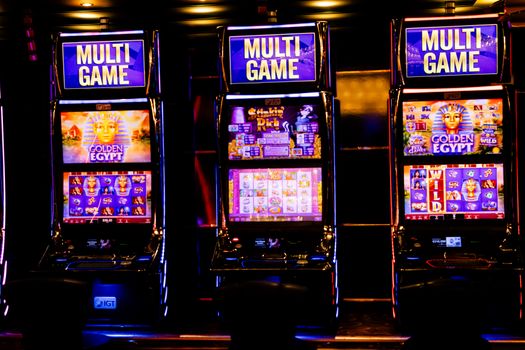
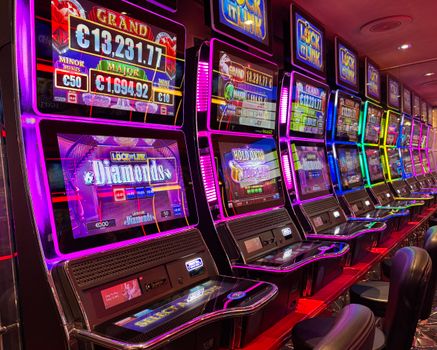
A near-miss in gambling occurs when the outcome is close to a win but ultimately results in a loss. For example, imagine spinning a slot machine and watching two jackpot symbols align perfectly, while the third lands just above the win line. You didn’t win, but you came close—close enough to feel a surge of excitement and frustration.
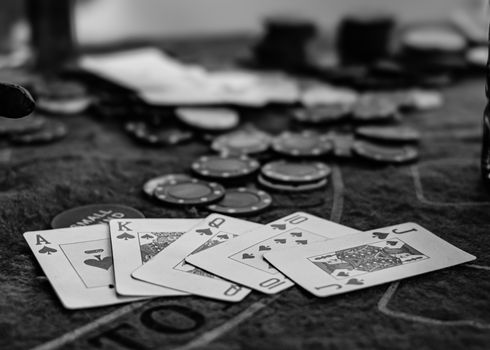
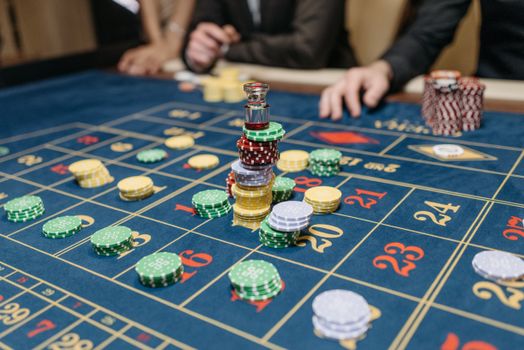
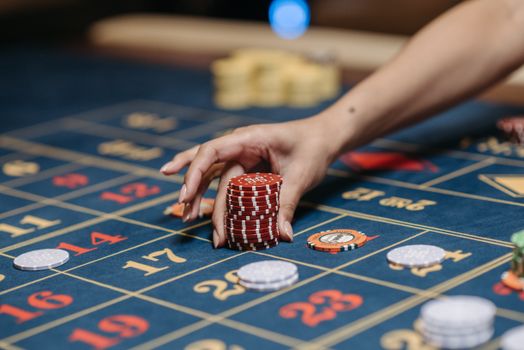
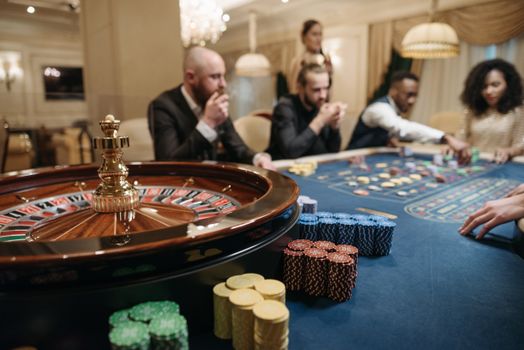
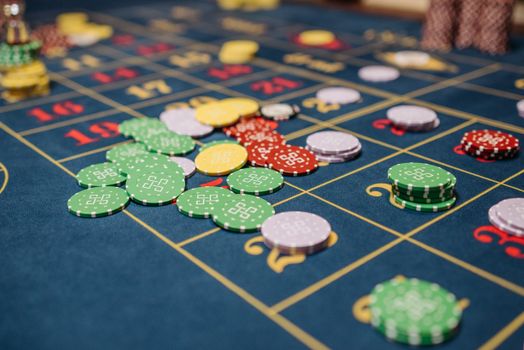
Near-misses are not limited to slot machines. They occur in scratch-off lottery tickets (revealing two out of three symbols needed for a prize), roulette (the ball landing next to your chosen number), and even sports betting (your team losing by a single point). Researchers estimate that up to 40% of slot machine outcomes are near-misses, a frequency intentionally designed to keep players engaged.
.png)
Psychologically, near-misses are fascinating because they activate reward circuits in the brain almost as strongly as actual wins. This makes them powerful motivators, often encouraging players to keep gambling in pursuit of that elusive big win.
The Neuroscience Behind Near-Miss Motivation
Scientists have used brain imaging to study how gamblers respond to near-miss outcomes. One landmark study conducted at the University of Cambridge in 2009 found that near-misses triggered activity in the ventral striatum—a region of the brain associated with reward and motivation—almost as much as actual wins did.
In fact, the neural responses to near-misses can be up to 80% as strong as the response to a real win. This is especially true for problem gamblers, where near-misses can provoke more intense brain activation than in casual players.
What’s behind this reaction? Near-misses create a cognitive illusion of skill and control. Even though slot machines, lotteries, and roulette are games of chance, the brain interprets a near-miss as “almost getting it right.” This illusion fuels the belief that with just a bit more effort or persistence, a win is within reach.
Near-Misses and the Persistence of Play
Behavioral studies consistently show that near-misses increase both the duration and intensity of gambling. In a 2010 experiment published in the journal “Psychopharmacology,” participants played a computerized slot machine with programmed near-misses. Those exposed to frequent near-misses played significantly longer than those who experienced more clear losses.
Casinos and game designers are well aware of this effect. Modern slot machines are engineered to deliver near-misses at a higher rate than true probability would suggest. For example, a typical slot machine might be programmed so that the appearance of two jackpot symbols is much more common than the actual jackpot win, creating an artificially high number of “almost wins.”
Here’s a comparison of win, loss, and near-miss outcomes in a typical slot machine session:
| Outcome Type | Typical Frequency (per 100 spins) | Psychological Impact |
|---|---|---|
| Win | 5 | Elation, reinforcement |
| Loss | 55 | Disappointment, potential disengagement |
| Near-Miss | 40 | Frustration, increased motivation to play |
The data shows that while wins are rare, the combined experience of losses and near-misses dominates a gambler’s session. Yet, it’s the near-misses that most strongly encourage continued play.
Near-Misses and Problem Gambling: A Risky Connection
While near-misses affect all gamblers, they have a particularly pronounced influence on those at risk for gambling addiction. Studies have found that people with gambling problems are more likely to misinterpret near-misses as signs that they are “getting closer” or “learning the game,” even in games of pure chance.
One 2013 study in the journal “Addiction” found that problem gamblers rated near-misses as significantly more motivating than non-problem gamblers. These individuals also reported stronger urges to keep playing after a near-miss, and were more likely to chase losses in pursuit of a win.
This connection between near-misses and problem gambling is so strong that some countries, like the United Kingdom, have considered regulating the design of gambling machines to limit the frequency of near-miss outcomes.
The Role of Near-Misses in Online and Mobile Gambling
With the rise of online and mobile gambling, the influence of near-misses has only grown. Digital slots, virtual scratch cards, and app-based games can precisely control the frequency and presentation of near-misses, using animations and sound effects to heighten their emotional impact.
A 2022 report from the UK Gambling Commission revealed that 37% of online slot players reported feeling “drawn in” by near-miss events, with many citing these moments as a key reason for playing longer sessions. In mobile games, push notifications and in-app messages often highlight “just missed” jackpots or challenges, further exploiting the psychology of near-misses to boost engagement.
Mobile gambling apps can also use data analytics to tailor the frequency of near-misses to individual players, creating a personalized experience that maximizes time spent and money wagered.
Can Awareness Reduce the Pull of Near-Misses?
Given the powerful influence of near-misses, can education and awareness help gamblers make more informed choices? Research suggests that understanding the mechanics behind near-misses may reduce their motivational impact, but only to a limited extent.
A 2016 study published in “Journal of Gambling Studies” found that when participants were explicitly told that games were random and near-misses were programmed, their urge to continue playing decreased by about 15%. However, the emotional response to near-misses—frustration, excitement, anticipation—remained strong.
This suggests that while responsible gambling messages and educational campaigns can help, the visceral response to near-misses is deeply rooted in human psychology. That’s why many experts advocate for stricter regulations on how near-misses are used in both physical and digital gambling products.
Key Takeaways: The Lasting Influence of Near-Misses on Gambling Behavior
Near-misses are a powerful force in gambling, activating reward circuits in the brain and encouraging players to keep chasing wins—even when the odds are stacked against them. They are deliberately engineered into games to maximize engagement and, in some cases, have been linked to increased risk of problem gambling.
Here are three essential facts to remember: 1. Near-misses activate the brain’s reward system up to 80% as strongly as real wins. 2. In many slot machines, near-misses occur in up to 40% of spins—far more often than wins. 3. Problem gamblers are especially vulnerable to the motivational pull of near-misses, increasing their risk of addiction.Understanding how near-misses work can help players make more mindful decisions. However, because these “almost wins” tap into deep psychological mechanisms, responsible gambling tools and regulations remain vital to protect vulnerable individuals.