The Role of Randomness in Casino Games: Shaping Experience, Fairness, and Outcomes
For as long as people have been placing bets and spinning wheels, the concept of randomness has been at the heart of casino games. Whether it’s the unpredictable fall of a roulette ball, the shuffle of a deck of cards, or the whirring outcome of a digital slot machine, randomness determines the fate of every gambler. But what exactly does randomness mean in the world of casinos? How is it achieved, verified, and why does it matter so much?
Randomness isn’t just a buzzword—it’s the foundation that ensures casino games are fair, exciting, and unpredictable. This article dives deep into the science and systems behind randomness in casino games, how it influences player experience, and the technology that guarantees integrity in both physical and online casinos.
The Science Behind Randomness in Casino Games
At its core, randomness is the lack of any pattern or predictability in events. In casino games, randomness guarantees that each outcome is independent from the last—crucial for fairness and for maintaining the thrill of not knowing what comes next.
.png) In traditional physical casinos, randomness is introduced in several ways:
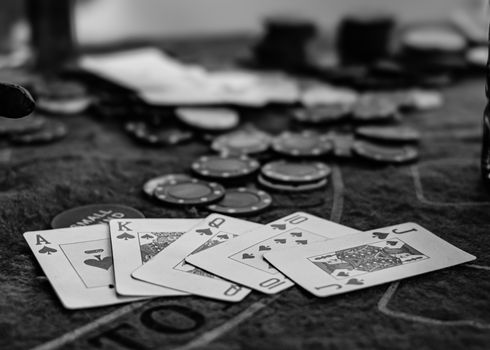
- Card games rely on thorough shuffling, often using automatic shuffling machines to reduce human error.
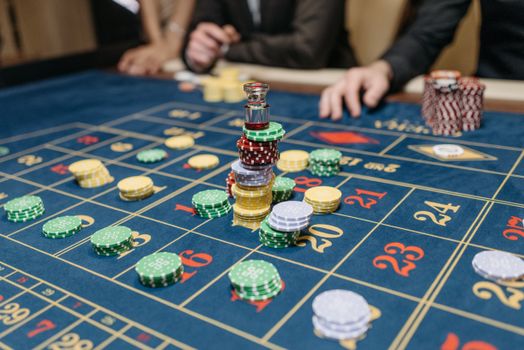
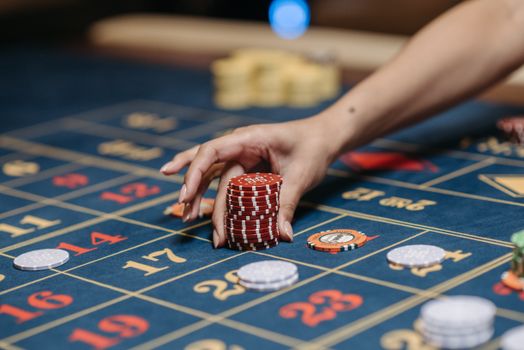
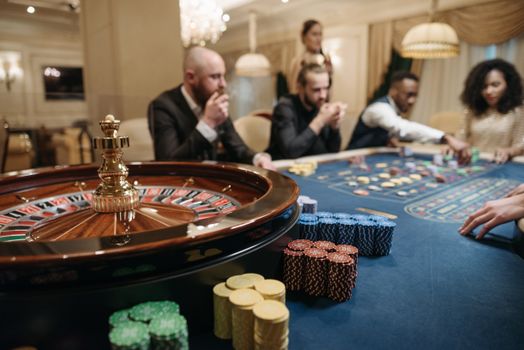
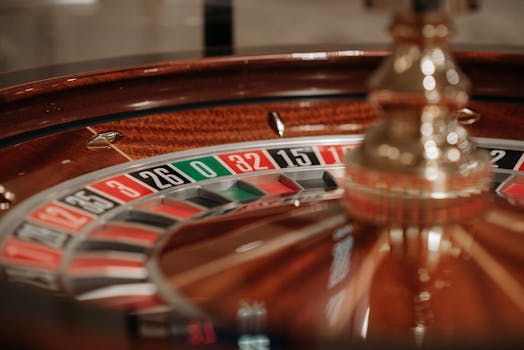
- Roulette wheels are engineered to precise specifications so each spin is unique.
- Dice in games like craps are tested for balance and uniformity to ensure no side is favored.
Statistically, randomness is measured by the likelihood of various outcomes. For example:
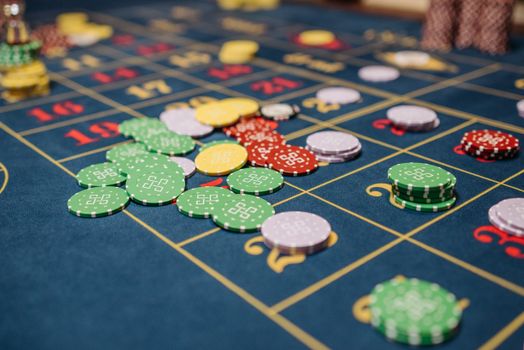
- In European roulette, the chance of hitting a single number is 1 in 37 (about 2.7%).
- In a standard 52-card deck, the odds of drawing any specific card are 1 in 52.
In traditional physical casinos, randomness is introduced in several ways:
- Card games rely on thorough shuffling, often using automatic shuffling machines to reduce human error.
- Roulette wheels are engineered to precise specifications so each spin is unique.
- Dice in games like craps are tested for balance and uniformity to ensure no side is favored.
Statistically, randomness is measured by the likelihood of various outcomes. For example:
- In European roulette, the chance of hitting a single number is 1 in 37 (about 2.7%).
- In a standard 52-card deck, the odds of drawing any specific card are 1 in 52.
The randomness in these games is governed by probability, ensuring every player has an equal chance within the rules of the game.
Random Number Generators: The Backbone of Digital Fairness
With the rise of online casinos and electronic gaming machines, the challenge was to replicate true randomness in a digital environment. Enter the Random Number Generator (RNG)—the unsung hero of modern gambling.
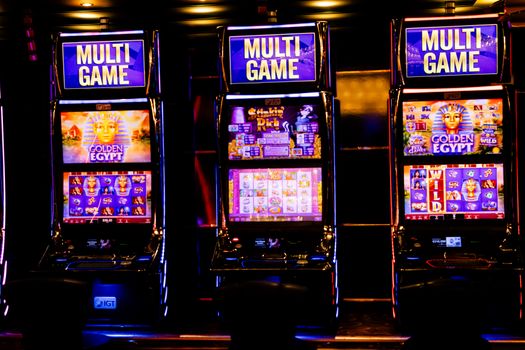
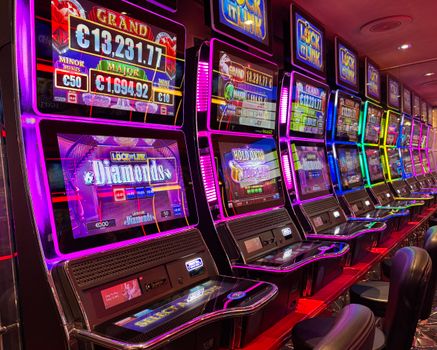
An RNG is a sophisticated algorithm that produces thousands of numbers every second, each corresponding to a possible game outcome. When a player hits “spin” on a slot or deals a hand in video poker, the RNG instantly selects a number and determines the result.
Key facts about RNGs: - RNGs are tested and certified by independent agencies such as eCOGRA, GLI, and iTech Labs. - Many leading jurisdictions, like the UK Gambling Commission and Malta Gaming Authority, require RNG certification as part of licensing. - RNGs ensure outcomes cannot be predicted, manipulated, or influenced by the casino or players.To further understand the reliability, consider this: In 2023, eCOGRA reported that fewer than 0.1% of audited games had any significant deviation from expected randomness, underscoring the effectiveness of RNG oversight.
Human Perception of Randomness: Patterns, Myths, and Misunderstandings
While randomness is mathematically defined, human brains are hardwired to seek patterns—even where none exist. This tendency creates a fascinating layer of psychological complexity in casino gaming.
Common player misconceptions include: - The “Gambler’s Fallacy”: Believing a roulette wheel is “due” for black after a streak of reds. - The “Hot Hand” illusion: Assuming a player or machine is on a lucky streak that will continue.These fallacies are rooted in the misunderstanding of independence in random events. In reality, each spin, shuffle, or roll is completely independent; past outcomes do not influence future ones. Casinos often post “past results” displays (like recent roulette numbers), but these serve entertainment and engagement purposes rather than providing actionable insight.
A 2019 study by the University of British Columbia found that 66% of regular gamblers admitted to relying on perceived patterns when making bets, despite understanding randomness at a conceptual level. This highlights how deeply ingrained the search for meaning is—even in purely random games.
Ensuring Fairness: Regulation, Testing, and Transparency
Maintaining public trust in the fairness of casino games is paramount. For this reason, global regulators enforce strict standards for randomness and transparency.
Key regulatory practices include: - Mandatory independent testing of physical equipment and RNG algorithms. - Routine audits of game outcomes and payout percentages (Return to Player, or RTP). - Requirement for visible payout and odds information for players.For example, the Nevada Gaming Control Board mandates monthly reporting of slot machine payout percentages, which must fall within a regulated range (typically 75-85%). Online, the UK Gambling Commission requires operators to publish the RTP of each game, and independent labs perform regular audits to verify compliance.
Randomness in Different Types of Casino Games: A Comparative Overview
Randomness isn’t a one-size-fits-all concept. Different games use different mechanisms and degrees of randomness. The table below compares how randomness operates across popular casino games:
| Game Type | Source of Randomness | Player Influence | Typical RTP (%) |
|---|---|---|---|
| Slot Machines | RNG Algorithm | None (pure chance) | 92-98 |
| Roulette | Physical Wheel / RNG (online) | Bet Selection Only | 94.7 (European) |
| Blackjack | Shuffled Deck / RNG (online) | Strategy Can Reduce House Edge | 99.5 (with optimal play) |
| Baccarat | Shuffled Deck / RNG (online) | Minimal (bet choice only) | 98.9 |
| Video Poker | RNG Algorithm | Strategy Affects Outcome | 96-99.5 |
As shown, pure games of chance like slots and roulette rely entirely on randomness. In contrast, games like blackjack and video poker blend randomness with player decision-making, allowing skill to influence outcomes within a random framework.
The Future of Randomness: Blockchain, Provably Fair Games, and Beyond
The quest for transparent, unbreakable randomness continues to evolve. Recently, blockchain technology has enabled the creation of “provably fair” casino games. Here’s how it works: - The game outcome is determined by a combination of server and player seeds (random strings), both revealed after the bet. - Players can independently verify the fairness of each outcome using cryptographic algorithms.This system dramatically increases transparency, as neither the casino nor the player can manipulate results after the seeds are committed. In 2022, over 500 online casinos integrated at least one provably fair game, a number expected to double by 2025 as demand for transparency grows.
Additionally, quantum random number generators (QRNGs) are emerging, leveraging the inherent unpredictability of quantum physics to create truly random sequences. While still in early adoption, QRNGs may one day become the gold standard for both online and land-based casinos.
Why Randomness Matters to Every Casino Player
Randomness is far more than a technical requirement—it’s what creates the unique excitement, suspense, and fairness of casino gaming. Knowing that every spin, roll, or deal is unpredictable ensures that everyone has a fair shot, regardless of experience or bankroll.
Understanding randomness also helps players avoid common traps, such as betting systems built on false assumptions or chasing losses based on perceived “patterns.” Ultimately, randomness is the great equalizer and the source of both risk and reward in every casino experience.
Whether you’re spinning the reels, placing a bet on the roulette layout, or drawing to a flush in video poker, remember: the thrill comes from never knowing what will happen next.