The Illusion of Control in Gambling: Why We Think We Can Beat the Odds
Gambling has fascinated humans for centuries, offering the tantalizing prospect of turning chance into fortune. Yet, beneath the surface of every roll of the dice or spin of the roulette wheel lies a powerful psychological force: the illusion of control. This phenomenon leads countless gamblers to believe they can influence outcomes governed entirely by luck. But why do so many of us fall for this seductive illusion? How does it shape our behavior around games of chance, and what are its real-world consequences? In this article, we’ll explore the roots of the illusion of control in gambling, its psychological underpinnings, the roles it plays in different types of games, and its impact on both casual players and problem gamblers.
Understanding the Illusion of Control: The Basics
The illusion of control is a cognitive bias where people overestimate their ability to control events, especially those determined by chance. The term was first coined by psychologist Ellen Langer in 1975, who demonstrated that individuals often act as if their choices can sway random outcomes. In gambling, this bias manifests in countless ways, from the belief that a certain ritual or strategy can affect a slot machine’s payout to the conviction that a “hot streak” at the craps table will continue.
Studies have shown that up to 80% of regular gamblers display some form of the illusion of control. For instance, research published in the Journal of Gambling Studies found that players who were allowed to choose their own lottery numbers felt more confident about winning compared to those assigned random numbers—even though the odds remained exactly the same.
.png) Key facts:
- Over 60% of casino gamblers report using personal rituals to “improve their luck.”
- Gamblers who perceive control over random events are more likely to take higher risks.
- The illusion of control is not limited to gambling; it also occurs in sports, investing, and everyday life.
Key facts:
- Over 60% of casino gamblers report using personal rituals to “improve their luck.”
- Gamblers who perceive control over random events are more likely to take higher risks.
- The illusion of control is not limited to gambling; it also occurs in sports, investing, and everyday life.
How the Illusion of Control Shapes Gambling Behavior
From the moment a player sits at a slot machine or places a bet at the roulette table, the illusion of control can subtly influence their decisions. This bias often leads to behaviors such as:
- Choosing specific machines or tables believed to be “lucky.” - Employing superstitious rituals, like tapping the screen or blowing on dice. - Believing that past outcomes (like a run of reds in roulette) can predict future results.A 2019 study by the University of British Columbia found that gamblers who rolled their own dice at the craps table were likely to bet more than those who watched someone else roll. The act of physically throwing the dice gave them the false impression of influence, even though the outcome was purely random.
Additionally, the illusion of control can make losses feel less like bad luck and more like a challenge to be overcome. This can encourage players to “chase losses,” leading to longer sessions and bigger bets.
The Psychology Behind the Illusion: Why Our Brains Fool Us
Why are we so prone to the illusion of control? The answer lies in how our brains are wired. Humans naturally seek patterns and causality, even in random events. This tendency, known as apophenia, leads us to perceive connections where none exist.
Several psychological mechanisms fuel the illusion of control in gambling:
- $1 Feeling involved in the process (such as picking lottery numbers or pressing the slot button) increases our sense of control. - $1 Slot machines and scratch cards are designed to show “almost wins,” which activate brain areas associated with reward and encourage continued play. - $1 Games that require some element of skill, like poker or sports betting, can blur the line between chance and expertise, heightening the illusion.Neurological studies using fMRI scans have revealed that near misses in gambling activate the same brain regions as actual wins, reinforcing the drive to keep playing. This is why slot machines that frequently display two matching symbols (when three are needed to win) are so effective at keeping players engaged.
Comparing Games: Where the Illusion of Control Is Strongest
Not all gambling games are created equal when it comes to the illusion of control. Some games, by design, encourage players to believe they have influence over the outcome, while others are more transparent about their randomness.
Below is a comparison of popular gambling activities and how strongly the illusion of control comes into play:
| Game | Chance vs. Skill | Player Involvement | Illusion of Control Strength | Example of Illusion |
|---|---|---|---|---|
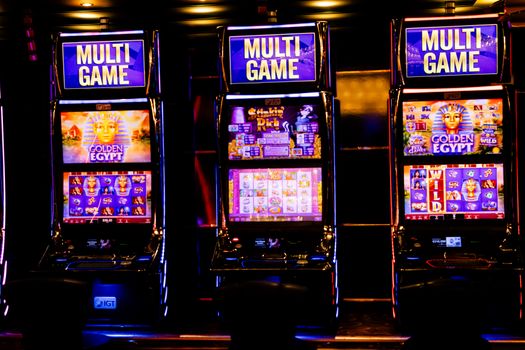
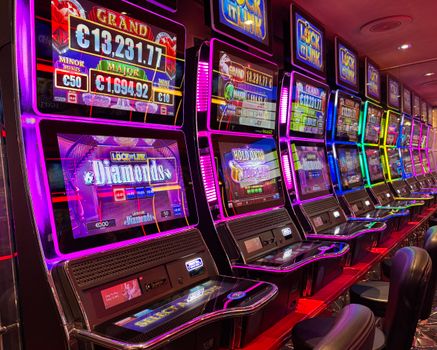
| Slot Machines | Pure Chance | High (choose when to spin, when to stop) | Strong | Belief that timing affects outcome |
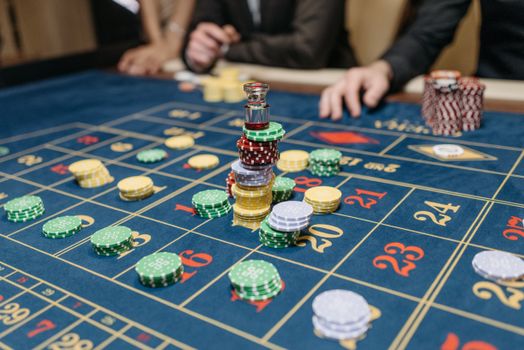
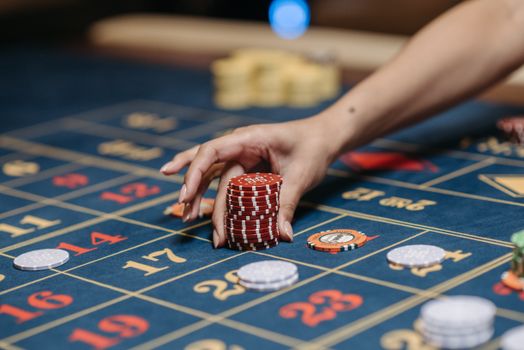
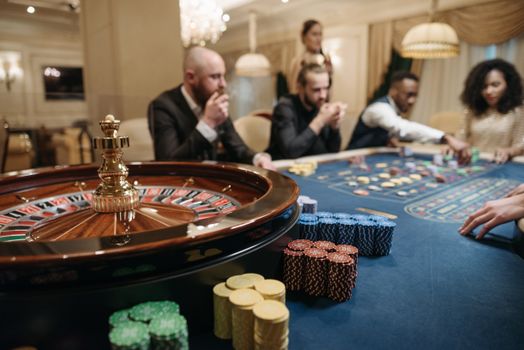
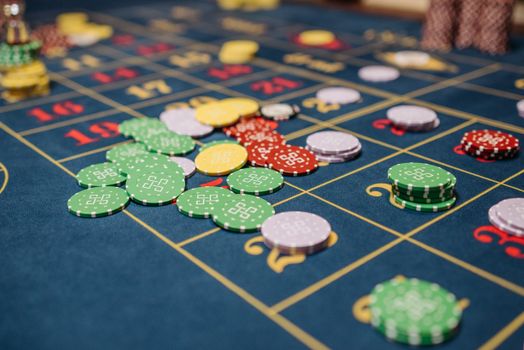
| Roulette | Pure Chance | Moderate (choose numbers, colors, bet types) | Moderate | Belief in “lucky” numbers or patterns |
| Craps | Pure Chance | Very High (physically roll dice) | Very Strong | Feeling that throwing style changes result |
| Poker | Mixed (Skill and Chance) | High (decisions impact outcome) | Varies | Overestimating skill in random draws |
| Lottery | Pure Chance | Low (pick numbers) | Weak to Moderate | Belief self-chosen numbers have better odds |
In games like craps and slot machines, where players can physically interact with the game, the illusion of control is particularly pronounced. On the other hand, games with less player involvement, like the lottery, still foster some sense of control, especially when players pick their own numbers, but the effect is generally weaker.
Consequences: When the Illusion of Control Leads to Harm
The illusion of control isn’t just an interesting quirk of human psychology—it can have serious consequences, especially for vulnerable individuals. Overconfidence in one’s ability to influence outcomes fuels risk-taking, larger bets, and persistent gambling, all of which can contribute to financial and emotional harm.
According to data from the National Council on Problem Gambling, over 2 million U.S. adults meet the criteria for severe gambling addiction, with an estimated 4-6 million more considered problem gamblers. Many of these individuals report feeling that they could “win it back” or “figure out the system,” classic examples of the illusion of control at work.
This bias can also lead to:
- $1 Gamblers try to recover lost money, believing their luck or strategy will eventually pay off. - $1 Players may disregard statistical realities, convinced that their choices or rituals can override probability. - $1 The belief in control prolongs gambling sessions, increasing the risk of substantial losses.A 2022 study published in Addictive Behaviors found that education about randomness and the illusion of control reduced risky gambling behavior by 22% among participants, highlighting the importance of awareness and prevention.
Debunking Myths: What Science Says About Beating the Odds
Despite what superstitions and casino folklore suggest, the reality is clear: in most gambling games, the house always wins in the long run. The illusion of control may make us feel empowered, but mathematics and probability ultimately determine outcomes.
Key scientific findings include:
- Slot machines use Random Number Generators (RNGs) that produce unpredictable results every spin. Pressing the button at a different time or using lucky rituals has zero effect. - In games like roulette, each spin is independent. The odds of hitting red or black do not change based on previous results. - Lottery draws are entirely random, and picking your birthday or “lucky” numbers does not change your chances of winning.Casinos and gambling operators are well aware of the illusion of control and design games to maximize its psychological pull. Features like “near miss” outcomes, interactive elements, and personalized betting choices all work together to keep players engaged and hopeful.
Final Thoughts: Breaking Free from the Illusion of Control in Gambling
The illusion of control is a powerful force that shapes how we perceive and engage with gambling. It taps into deep-rooted human tendencies to seek patterns, exert agency, and believe in our own influence—even against impossible odds. While this bias can make games more exciting, it also carries real risks, especially when it leads to excessive betting or problem gambling.
Recognizing the illusion of control is the first step toward more mindful play. Understanding that most gambling outcomes are governed by chance, not skill or ritual, can help players make more rational decisions and avoid the pitfalls of overconfidence. Whether you enjoy an occasional lottery ticket or a night at the casino, remember: when it comes to chance, the only thing you can truly control is how much you choose to play.