Why We Chase Losses: The Sunk Cost Fallacy in Gambling
Gambling is about more than just numbers, odds, and luck—it’s also a battleground of the mind. One of the most powerful psychological phenomena at play in casinos and betting arenas worldwide is the urge to “chase losses.” This drive is not just a matter of stubbornness or poor judgment; it’s rooted in a deep-seated cognitive bias known as the sunk cost fallacy. But why do we fall for it, and how does it shape our gambling behavior? Let’s explore the science, psychology, and real-world impact of the sunk cost fallacy in gambling, and discover why so many of us end up throwing good money after bad.
Understanding the Sunk Cost Fallacy: More Than Just Regret
The sunk cost fallacy is a cognitive bias that causes people to continue an endeavor once an investment in money, effort, or time has been made—even if continuing is no longer the best choice. In gambling, this fallacy manifests when someone keeps playing, not because they believe the next bet is likely to win, but because they’ve already “come this far” and want to recover previous losses.
The term “sunk cost” refers to past expenses that cannot be recovered. Rational decision-making suggests we should ignore these costs and base our choices solely on future benefits. However, studies show that human behavior is rarely that logical. According to a 2022 study published in the journal “Judgment and Decision Making,” about 82% of adults admit to making decisions influenced by sunk costs in various domains, including gambling.
.png)
This fallacy is not unique to gambling. Business professionals may continue funding failing projects, and moviegoers might finish a boring film simply because they’ve already paid for the ticket. However, gambling brings the sunk cost fallacy into sharp focus, often with immediate financial consequences.
How Casinos and Betting Platforms Exploit the Sunk Cost Fallacy
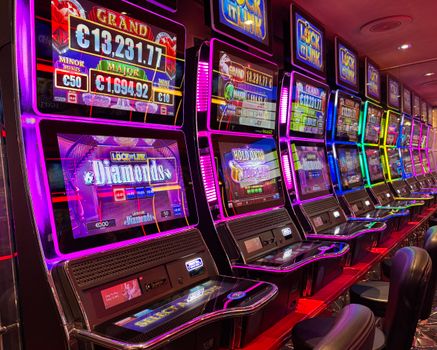
Casinos and online gambling platforms are designed to keep players engaged—and the sunk cost fallacy is a tool in their psychological arsenal. The environment, layout, and even the reward systems are structured to encourage continued play, especially after a loss.
Consider the following tactics:
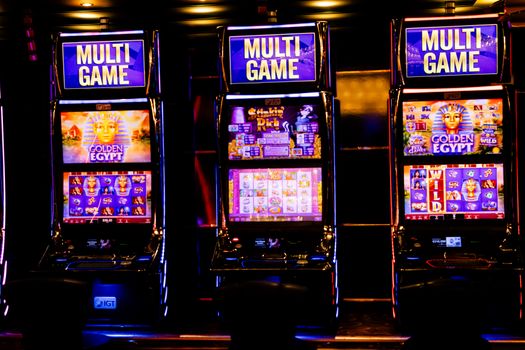
- $1 Slot machines and digital games often feature “losses disguised as wins,” where the player receives small payouts that don’t cover the initial wager. This creates the illusion of progress and encourages further play. - $1 ATMs inside casinos and instant deposit options online make it simple to keep wagering, even after significant losses. - $1 Games are programmed to deliver frequent near-misses, giving players the sense that a win is “just around the corner,” which amplifies the sunk cost drive.A 2021 report by the UK Gambling Commission found that 56% of problem gamblers cited “chasing losses” as a key reason for continued gambling, highlighting how these environments fuel the sunk cost trap.
The Psychology of Chasing Losses: Emotions Over Logic
Why do our brains cling so tightly to lost investments? The answer lies in a mix of emotional and cognitive processes.
- $1 Research by Nobel laureate Daniel Kahneman found that people experience losses about twice as intensely as equivalent gains. This aversion makes us desperate to “undo” losses. - $1 After losing, gamblers experience discomfort between their self-image (as competent decision-makers) and the reality of loss. Chasing losses can be an attempt to resolve this discomfort by seeking a big win. - $1 Even after repeated losses, many players believe their luck will turn, fueled by an illusion of control over random events.Real-world data shows the consequences: A 2023 survey by the National Council on Problem Gambling revealed that gamblers who chased losses were 3.7 times more likely to develop a gambling disorder than those who didn’t.
Chasing Losses vs. Strategic Play: A Comparison
To see just how detrimental chasing losses can be, it helps to compare two common gambling mindsets: the “chaser” who falls into the sunk cost trap, and the “strategist” who sets strict limits.
| Behavior | Chaser (Sunk Cost Driven) | Strategist (Limit-Setter) |
|---|---|---|
| Response to Loss | Increases bet size to recover losses | Stops or reduces bets after losses |
| Session Duration | Plays longer, chasing previous bets | Plays set amount of time/money |
| Emotional State | Frustrated, anxious, desperate | Calm, in control, focused |
| Financial Outcome | Likely to incur larger losses | Limits losses, preserves bankroll |
| Risk of Problem Gambling | High | Low |
This comparison makes it clear: chasing losses, driven by the sunk cost fallacy, puts gamblers at a much higher risk of financial and emotional harm.
The Real-World Impact: Stories and Statistics
The consequences of the sunk cost fallacy in gambling are not just theoretical—they have profound real-world effects on individuals and society.
- $1 A 2019 study by the Australian Gambling Research Centre found that 41% of problem gamblers reported significant debt or bankruptcy, often citing chasing losses as the main cause. - $1 The same study revealed that 25% of those affected by gambling problems experienced depression or anxiety linked to their losses. - $1 Families often suffer too. The UK charity GamCare reports that 30% of calls to their helpline involved concerns about chasing losses leading to relationship breakdowns.Case in point: In 2022, a British man lost over £50,000 in a single evening after attempting to recoup earlier losses at a London casino. His story is unfortunately not unique—problem gambling helplines around the world are filled with similar accounts.
Breaking the Cycle: How to Overcome the Sunk Cost Trap
Understanding the sunk cost fallacy is the first step toward overcoming it, but practical strategies are necessary to break the cycle of chasing losses.
- $1 Decide in advance how much time and money you’ll spend, and stick to it, no matter what. - $1 Step away regularly to regain perspective and avoid emotional decision-making. - $1 Keep a written record of your wagers and outcomes to avoid rationalizing further play. - $1 If you find yourself repeatedly chasing losses, reach out to support groups like Gamblers Anonymous or seek professional help. - $1 Many gambling operators now provide tools for self-exclusion and spending limits, and public health campaigns are working to spread awareness of cognitive biases like the sunk cost fallacy.Notably, a 2020 pilot program in Sweden requiring mandatory loss limits for online slots saw a 14% reduction in problem gambling behaviors, highlighting the effectiveness of structural interventions.
Final Thoughts on the Sunk Cost Fallacy in Gambling
The urge to chase losses is more than just a moment of poor judgment—it’s a predictable, well-documented psychological trap. The sunk cost fallacy can turn a fun night out or a harmless bet into a dangerous cycle of loss and regret. By recognizing this mental bias and adopting strategies to resist it, gamblers can protect their finances, their well-being, and their enjoyment of the game.
Casinos and betting platforms are designed to keep you playing, but knowledge is your best defense. The more you understand about your own mind—including the powerful pull of past losses—the better equipped you are to make smart, healthy choices when luck is not on your side.