Gambling: The Perfect Blend of Skill, Strategy, and Luck
The world of gambling is as old as civilization itself, stretching from ancient dice games to the dazzling lights of modern casinos and high-tech online platforms. What makes gambling so enduringly fascinating? At its core, gambling is a dynamic concoction of skill, strategy, and luck. This blend keeps both casual players and seasoned pros returning to the tables, spinning reels, or placing bets on their favorite sports.
While some may view gambling as mere chance, a deeper look reveals a complex interplay where human judgment, probability, and randomness converge. Understanding how skill, strategy, and luck intertwine not only enhances enjoyment but also provides insight into the psychology and math underpinning every bet. Let’s explore this delicate balance and see why gambling remains the perfect fusion of these three captivating elements.
The Role of Skill in Gambling: More Than Just Luck
Skill in gambling refers to a player’s ability to make informed decisions, calculate odds, and deploy tactics that improve their chances of winning. Unlike pure games of chance, such as lotteries or slot machines, many popular gambling forms allow skilled players to influence outcomes.
.png)
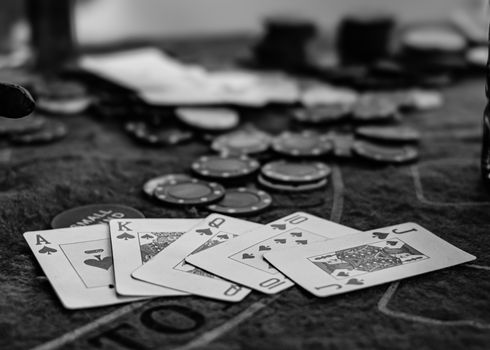
Take poker as a prime example. Poker tournaments, such as the World Series of Poker (WSOP), have demonstrated that skillful play can lead to consistent success. In 2023, over 10,000 players entered the WSOP Main Event, competing for a prize pool exceeding $93 million. While every player faced the luck of the draw, repeat champions like Phil Hellmuth (who holds 17 WSOP bracelets) showcase how skill is a crucial differentiator.
Other games where skill matters include:
- Blackjack: Skilled players use card counting and betting strategies to reduce the house edge, sometimes to less than 0.5%. - Sports Betting: Knowledge of teams, players, and statistical analysis enables bettors to make more educated wagers. - Daily Fantasy Sports: Success hinges on research, player selection, and understanding scoring systems.Research by the Harvard Medical School Division on Addictions found that skilled blackjack and poker players can outperform casual players over the long term, highlighting the impact of skill.
Strategy: The Blueprint for Winning
While skill reflects a player’s innate or developed abilities, strategy refers to the specific approaches or systems employed to maximize winning potential. Strategy transforms raw skill into actionable decisions.
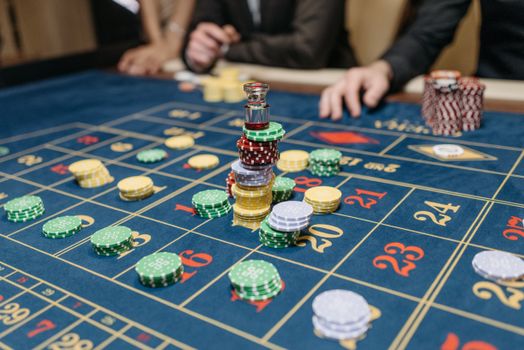
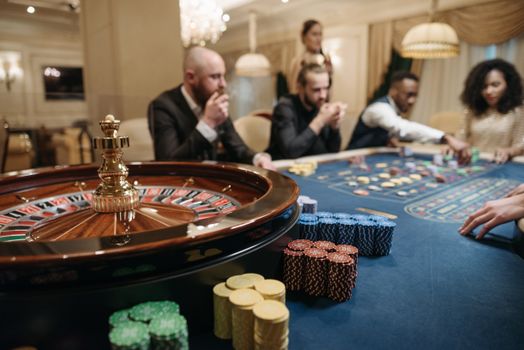
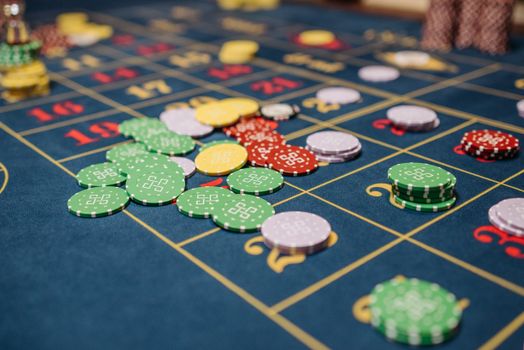
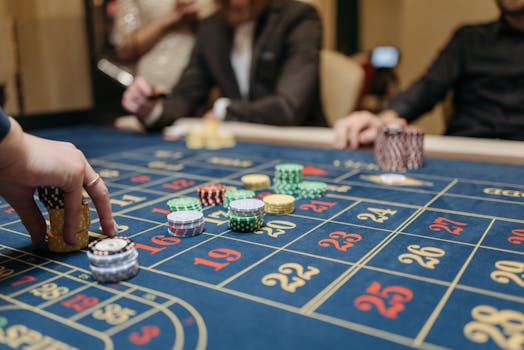
For instance, in roulette, employing a betting strategy like the Martingale system (where a player doubles their bet after each loss) can temporarily create the illusion of control. However, such systems are vulnerable to table limits and bankroll constraints.
In contrast, games like blackjack and poker offer more sophisticated strategies that can substantially affect outcomes. Basic blackjack strategy charts, based on mathematical simulations, instruct players when to hit, stand, double down, or split. According to the American Gaming Association, following basic strategy can cut the house edge from 2% to under 0.5%.
In sports betting, strategies such as value betting or arbitrage (betting on all possible outcomes across different bookmakers for guaranteed profit) are used by professionals to secure long-term gains. A 2021 study by the University of Nevada, Las Vegas, found that professional sports bettors win just 53-55% of their bets, but with proper bankroll management and discipline, this modest edge can be highly profitable.
A comparison of strategy influence across common gambling games is shown below:
| Game | Skill Required | Strategy Impact | Luck Factor |
|---|---|---|---|
| Poker | High | High | Medium |
| Blackjack | Medium | High | Medium |
| Roulette | Low | Low | High |
| Sports Betting | High | Medium | Medium |
| Slot Machines | Low | Low | Very High |
This table illustrates how the influence of skill, strategy, and luck varies dramatically from one gambling form to another, shaping the experience and the odds of success.
Luck: The Unpredictable Ingredient in Every Bet
No matter how skilled or strategic a gambler may be, luck remains an unpredictable and often dominant force. Luck refers to random events and outcomes beyond any player’s control.
Casino games are designed with randomness at their core. For instance:
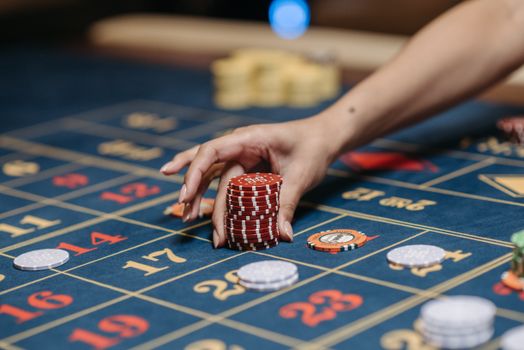
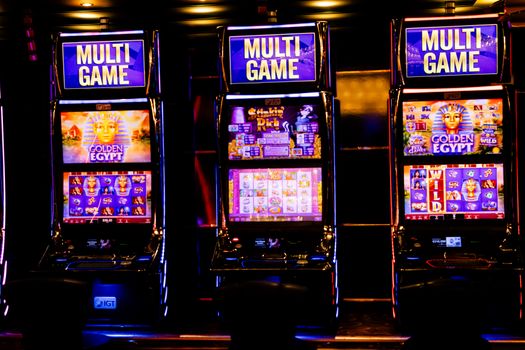
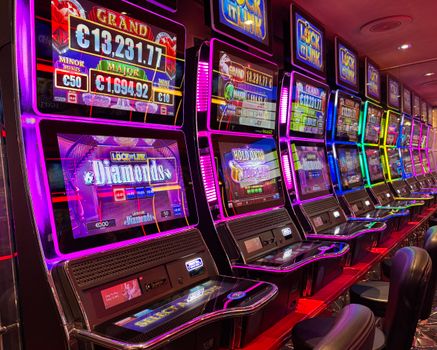
- Slot Machines: Outcomes are determined by random number generators (RNGs), ensuring unpredictability. - Roulette: The spin of the wheel—subject to physics and chance—cannot be influenced by skill. - Lottery: The odds of winning the Powerball jackpot are 1 in 292,201,338—entirely luck-based.Even in skill-based games like poker, luck plays a crucial short-term role. A weaker hand can win against the odds, and even the best players experience losing streaks. This unpredictability is what makes gambling thrilling and, at times, frustrating.
A 2019 study published in the Journal of Gambling Studies revealed that approximately 70% of casino revenue comes from games where luck outweighs skill, highlighting its central role in the industry.
The Psychology Behind the Blend: Why We Love the Gamble
What draws millions to gambling, despite the odds often favoring the house? The answer lies in the powerful psychological cocktail of risk, reward, and anticipation created by the mix of skill, strategy, and luck.
Studies in behavioral economics show that humans are wired to seek out uncertain rewards—a phenomenon known as “variable reinforcement.” The prospect of a big win, combined with the ability to influence outcomes (even slightly), activates dopamine pathways in the brain, creating excitement and motivation.
Social aspects also play a role. Games like poker and blackjack involve reading opponents, bluffing, and adapting to changing circumstances, making them intellectually stimulating and socially engaging. Meanwhile, the thrill of a lucky spin or a last-minute sports upset taps into our love of suspense and unpredictability.
Researchers at the University of British Columbia found that nearly 60% of regular gamblers cite the “rush” and “excitement” as primary motivations, much more than the expectation of financial gain.
Responsible Gambling: Finding the Right Balance
While the blend of skill, strategy, and luck makes gambling compelling, it’s vital to approach it responsibly. The unpredictability of outcomes can lead to both thrilling wins and painful losses. According to the National Council on Problem Gambling, around 2% of Americans (about 6.6 million people) are believed to have a gambling disorder.
Tips for maintaining a healthy balance include:
- Setting strict time and money limits before playing. - Viewing gambling as entertainment, not as a source of guaranteed income. - Taking regular breaks and avoiding chasing losses. - Being aware of signs of problem gambling, such as betting with money intended for other needs.Many casinos and online platforms now offer self-exclusion tools, reality checks, and links to support organizations, empowering players to gamble safely.
Real-World Examples: Blending Skill, Strategy, and Luck
To truly appreciate how these elements interact, consider a few real-world scenarios:
1. Poker Tournament: A skilled player may use strategy to bluff opponents and calculate pot odds, but a single unlucky card can change the outcome in an instant. 2. Blackjack Table: Card counters can gain a statistical edge, but the shuffled deck and unpredictable card distribution mean luck still has a say. 3. Sports Betting: Analyzing team form and injuries can inform smart bets, but a fluke goal or referee decision can turn the tables. 4. Slot Jackpots: No amount of skill affects the spinning reels, but the thrill lies in the possibility—however remote—of a life-changing win.These examples highlight that while skill and strategy can tilt the odds, luck ultimately keeps gambling unpredictable and exciting.
Blending Skill, Strategy, and Luck: The Enduring Allure of Gambling
Gambling’s magic lies in the intricate dance between skill, strategy, and luck. Whether you’re a casual player spinning slots or a seasoned pro at the poker table, every game is a new challenge, a test of wits, nerve, and fortune.
Understanding the role of each element not only enhances your enjoyment but fosters a more mindful, responsible approach to gambling. By appreciating the limits of skill and strategy—and respecting the power of luck—you can savor the excitement without losing sight of reality.
As the landscape of gambling continues to evolve, with new games, technologies, and regulations, the timeless blend of skill, strategy, and luck will remain at the heart of the experience, captivating millions for generations to come.