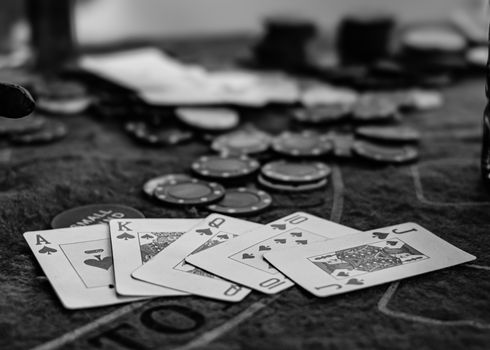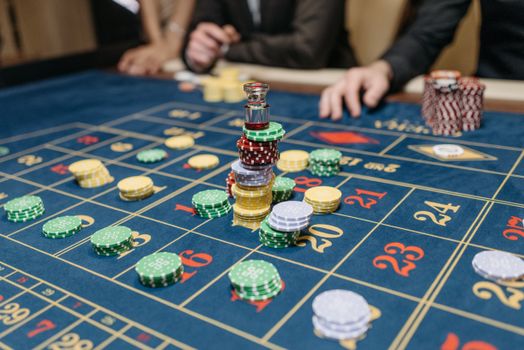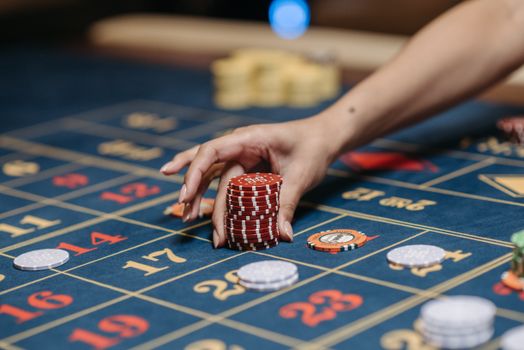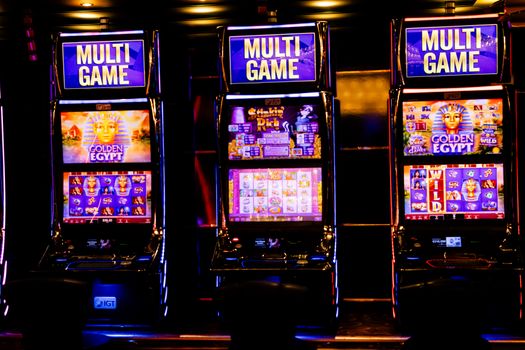
Superstitions and their influence on casino gameplay form a fascinating intersection between culture, psychology, and the world of chance. For centuries, gamblers have clung to rituals, lucky charms, and arcane beliefs in hopes of swaying unpredictable outcomes in their favor. But how deep do these superstitions run, and what measurable impact do they have on the way people play at casinos? This article explores the origins, global diversity, psychological mechanisms, and real-world effects of superstitions in casino gaming—revealing how they shape behavior, decision-making, and even the design of casino environments.
The Roots of Casino Superstitions: A Blend of Culture and Psychology
Superstitions are deeply embedded in human history, often originating as attempts to gain control over uncertain events. In the high-stakes, unpredictable environment of casinos, these beliefs flourish. According to a 2022 survey by YouGov, 46% of Americans admit to having at least one superstition, with a significant portion related to luck and gambling.
Cultural background is a major factor in the types of superstitions people bring to the casino floor. For example, in many Western cultures, the number 7 is seen as lucky, while 13 is avoided. In contrast, Chinese gamblers often seek out tables with the number 8, which phonetically resembles the word for "prosperity" in Mandarin, and shun the number 4, which sounds like "death."
.png)
Psychologically, superstitions offer gamblers a sense of agency. The unpredictable nature of games like roulette, blackjack, and slot machines can cause anxiety, and rituals or lucky objects help reduce this stress by creating an illusion of control. Studies show that when people feel less control over outcomes, their tendency to rely on superstitions increases—a phenomenon frequently observed in casino settings.
Common Casino Superstitions Around the World
Superstitions in casinos are as varied as the players themselves, ranging from simple gestures to elaborate rituals. Here are some of the most prevalent superstitions found globally:
- In the United States and Europe, many players believe blowing on dice before rolling them brings good luck—a ritual popularized by movies like "Casino Royale." - In Macau and other Asian casinos, players may turn their chair away from a slot machine after a loss and return later, hoping to "reset" their luck. - Wearing red is a widespread superstition among Chinese gamblers, as the color symbolizes fortune and happiness. - Some Italian gamblers refuse to enter a casino through the main entrance, believing it brings bad luck, a tradition linked to ancient theater customs. - In Russia, whistling inside a casino is considered unlucky, as it is thought to "whistle away" your money.Superstitions even extend to the casino staff. In Las Vegas, some dealers refuse to change a deck of cards during a hot streak, and many casinos avoid having a 13th floor or table.
How Superstitions Shape Player Behavior and Casino Atmosphere
Superstitious beliefs do more than just influence individual behavior—they help shape the entire casino experience. Gamblers often choose games, tables, or machines based on lucky numbers or rituals, sometimes walking away from potentially favorable odds in pursuit of perceived luck.
A 2019 study conducted at the University of British Columbia found that 72% of regular casino patrons engaged in at least one superstition while gambling. The most common behaviors included:
- Bringing lucky charms (e.g., rabbit’s feet, coins, or jewelry) - Repeating specific phrases before placing bets - Tapping slot machines or table surfaces - Avoiding or seeking out certain dealers based on past experiencesThese behaviors can have real financial implications. For instance, a player who insists on sitting at a "lucky" slot machine may ignore better payout odds at neighboring machines. Similarly, a roulette player might avoid betting on certain numbers due to superstitions, inadvertently limiting their potential winnings.
For casinos, understanding these behaviors is vital. Many establishments subtly incorporate lucky numbers, colors, and symbols into their décor and branding. In Macau, for example, red and gold dominate the color scheme, and the number 8 is prevalent in everything from table numbers to floor plans.
Do Superstitions Improve Casino Outcomes? A Look at the Evidence
Despite their widespread appeal, superstitions do not alter the mathematical probabilities that govern casino games. The house edge—a statistical advantage built into every game—remains unaffected by rituals, charms, or lucky routines. Yet, superstitions persist, sometimes even enhancing a player’s enjoyment or confidence.
A 2010 experiment published in Psychological Science showed that participants who were allowed to perform their lucky rituals before a task felt more confident and performed slightly better, not because of any mystical effect, but due to increased self-efficacy. In gambling, this boost in confidence can lead to riskier behavior, such as placing larger bets or playing for longer periods.
The table below illustrates the disconnect between common superstitions and actual game odds:
| Game | Common Superstition | House Edge (%) | Effect on Odds |
|---|---|---|---|
| Roulette | Betting on lucky numbers (7, 8, etc.) | 2.7 (European), 5.26 (American) | No change |
| Blackjack | Sitting at the "lucky" end of the table | 0.5-2.0 | No change |
| Slots | Using a lucky charm or routine before spinning | 2-15 | No change |
| Baccarat | Blowing on cards or squeezing them | 1.06 (banker), 1.24 (player) | No change |
As shown, no superstition can shift the mathematical edge in favor of the player. Still, the psychological comfort they provide can help some gamblers manage anxiety and enjoy the experience more fully.
Superstitions and Problem Gambling: When Beliefs Become Harmful
While most superstitions are harmless, they can sometimes contribute to problematic gambling behaviors. The belief that a ritual or charm can "guarantee" a win may encourage riskier bets, longer play sessions, or repeated visits to the casino—behaviors linked to gambling addiction.
The National Council on Problem Gambling estimates that about 2% of U.S. adults (roughly 6.6 million people) are at risk for gambling addiction. Superstitions can reinforce cognitive distortions, such as the "gambler’s fallacy"—the mistaken belief that past outcomes influence future results in games of chance.
Casinos are aware of these tendencies, and responsible gaming programs often include education about the true odds and the nature of randomness. Some jurisdictions require casinos to display information about the house edge and the dangers of superstitious thinking.
Superstitions as Social Glue: Community and Ritual in Casino Culture
Beyond influencing individual behavior, superstitions also foster a sense of community among gamblers. Shared rituals—such as high-fiving after a win, collective chants at craps tables, or group avoidance of "unlucky" seats—create bonds and reinforce the social aspect of casino gaming.
In fact, for many players, the ritual itself is as important as the outcome. Researchers from the University of Nevada found that 58% of regular gamblers viewed their superstitions as a source of camaraderie and tradition, rather than a serious attempt to influence luck. Many casinos encourage this communal atmosphere through themed events, special "lucky days," and tournaments designed around auspicious dates.
Final Reflections: The Enduring Power of Superstitions in Casino Play
Superstitions are an enduring part of the casino landscape, shaping not only the way people play but also the environments casinos create. While these beliefs cannot change the odds or guarantee a win, they offer psychological comfort, cultural connection, and a sense of ritual that many players find deeply rewarding. As long as games of chance exist, so too will the lucky charms, rituals, and beliefs that make casino gaming such a rich tapestry of human behavior.