The Human Brain and the Perception of Luck in Gambling: A Scientific Exploration
What really happens inside our minds when the dice roll in our favor or when the slot machine reels align just right? The question of luck in gambling has fascinated people for centuries, but only recently have neuroscientists and psychologists uncovered the complex ways our brains perceive, interpret, and even manufacture the feeling of being lucky. Far from being a simple matter of chance, the experience of luck in gambling is deeply tied to fundamental brain processes, cognitive shortcuts, and emotional responses.
This article delves into the neuroscience and psychology behind how the human brain perceives luck during gambling, exploring the roles of dopamine, pattern recognition, superstitions, and more. We’ll also examine how these mechanisms can sometimes lead us astray—fueling both the thrill of victory and the frustration of loss.
The Brain’s Reward System: Dopamine and the Thrill of Gambling
At the core of our perception of luck lies the brain’s reward system. Central to this system is dopamine, a neurotransmitter often described as the brain’s “feel good” chemical. When a gambler experiences a win, especially an unexpected or large one, the brain releases a surge of dopamine. This creates an intense feeling of pleasure and reinforces the behavior that led to the reward, encouraging the person to gamble again.
.png)
Research from the National Institutes of Health (NIH) shows that the dopamine release triggered by gambling is similar in strength to that triggered by food, sex, or even some drugs. In fact, a 2017 study found that gambling activates the ventral striatum—a key reward center in the brain—resulting in heightened arousal and anticipation. This powerful response is not limited to actual wins; “near-misses,” or narrowly missing a win, can also generate a dopamine spike, keeping players engaged.
A 2021 survey found that 63% of regular gamblers reported feeling a “rush” or “high” when luck seemed to be on their side, further illustrating dopamine’s role in shaping our perception of luck.
Pattern Recognition and the Illusion of Control
Humans are natural pattern seekers. Our brains are wired to identify trends and regularities in the world around us—an ability that has helped our species survive and thrive. However, this same tendency can lead us astray when it comes to games of chance.
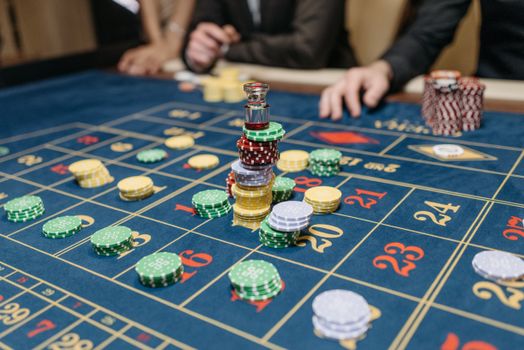
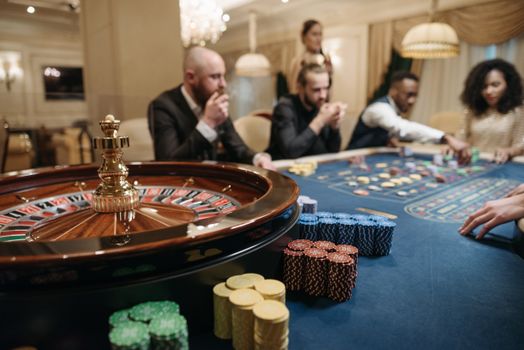
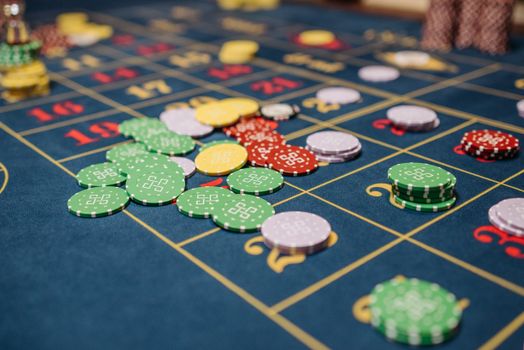
In gambling, the brain can misinterpret random sequences as meaningful patterns. This is known as the “illusion of control”—the belief that we can influence or predict outcomes in inherently random situations. For example, a roulette player might notice that red has come up five times in a row and conclude that black is “due” next, despite the odds remaining unchanged.
Neuroscientific studies using functional MRI have shown that the prefrontal cortex, responsible for decision-making and executive function, is highly active when gamblers attempt to detect patterns or “hot streaks.” This overactivity can reinforce the mistaken belief that one’s actions or rituals can affect luck.
The table below summarizes key differences between skill-based games and chance-based games, highlighting how pattern recognition and control are perceived differently:
| Game Type | Role of Skill | Role of Chance | Perceived Control |
|---|---|---|---|
| Slot Machines | Minimal | High | Low (but often overestimated) |
| Poker | High | Moderate | High (more realistic) |
| Roulette | Minimal | High | Low (often misjudged) |
| Blackjack | Moderate | Moderate | Medium |
Superstitions, Rituals, and Brain Chemistry
Why do so many gamblers wear “lucky” socks or tap the slot machine before spinning? These behaviors are not just quirks—they are rooted in the brain’s search for control and certainty in unpredictable situations. Superstitions and rituals provide a comforting illusion that one can influence luck, reducing anxiety and boosting confidence.
A 2020 study published in the journal “Psychology of Addictive Behaviors” found that nearly 70% of casino gamblers reported using superstitious rituals before or during play. Importantly, performing these rituals activates the anterior cingulate cortex, an area associated with error detection and emotional regulation. When a ritual is performed, the brain may register a sense of reduced risk, which can in turn enhance the feeling of being lucky.
Interestingly, the placebo effect comes into play here: even if a ritual has no real impact on outcomes, the belief that it does can increase dopamine levels and subjective feelings of luckiness.
Randomness, Cognitive Biases, and the Gambler’s Fallacy
Our brains are not naturally adept at understanding randomness. Instead, we tend to search for causes and explanations, even where none exist. This leads to several well-documented cognitive biases in gambling.
One of the most famous is the Gambler’s Fallacy, the mistaken belief that past random events can influence future ones. For example, if a coin lands on heads five times in a row, many people believe that tails is “due,” even though the probability remains exactly 50% on each toss.
A 2019 meta-analysis found that nearly 80% of gamblers exhibited signs of the Gambler’s Fallacy at some point during play. This bias is linked to activity in the insular cortex, which is involved in risk assessment and uncertainty. The insula lights up when people perceive streaks or believe that luck is about to change, even when logic dictates otherwise.
Another related bias is the “hot hand” fallacy, where a player believes that a streak of good luck is likely to continue, fueling riskier bets and heightened emotions.
Emotional Responses: Winning, Losing, and the Myth of Being “Due”
Emotions play a vital role in how we experience luck in gambling. Winning triggers excitement and euphoria, while losing can provoke frustration, disappointment, or even anger. The intensity of these emotions often depends on how “lucky” or “unlucky” the outcomes feel.
The brain’s amygdala, a region critical for processing emotions, becomes especially active during gambling. A win after a series of losses can feel particularly euphoric, while a loss after a string of wins can be devastating. This emotional rollercoaster can drive continued play, as gamblers chase the highs and attempt to avoid the lows.
The myth of being “due” for a win—sometimes called the “law of averages”—emerges from both cognitive biases and emotional needs. After a long losing streak, the brain craves a reversal of fortune, which can result in riskier bets or prolonged gambling sessions. According to a 2022 survey by the American Gaming Association, 54% of frequent gamblers admitted to chasing losses because they felt their luck was about to turn.
How Casinos and Game Designers Leverage Brain Science
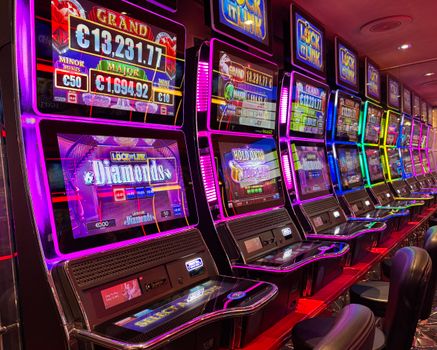
Casinos and game developers are well aware of the psychological and neurological mechanisms that shape our perception of luck. Game features such as “near-miss” outcomes, suspenseful music, and flashing lights are carefully engineered to maximize engagement and emotional intensity.
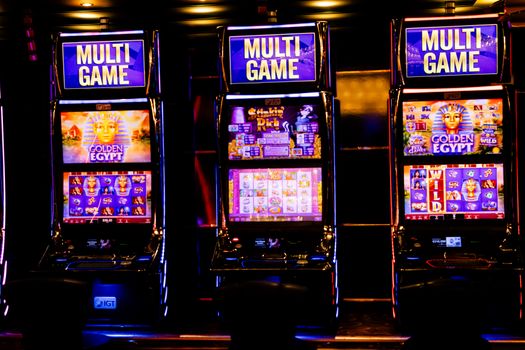
Slot machines, for instance, often display “almost wins” far more frequently than statistical chance would dictate. This keeps the brain’s reward circuits engaged, even in the absence of actual rewards. A 2018 study found that near-miss outcomes increased the time spent playing slots by an average of 33%.
Casinos also use environmental cues—like free drinks, strategic lighting, and the absence of clocks—to keep players in a state of excitement and anticipation. These tactics exploit the same brain systems that govern our perception of luck, making it harder to walk away.
What Science Reveals About Luck and the Gambling Brain
Understanding how the human brain perceives luck in gambling reveals just how complex—and sometimes misleading—our internal experience of chance can be. From dopamine-driven highs to the misinterpretation of random events, our minds weave a compelling narrative about control, destiny, and fortune, even in games ruled entirely by probability.
While these brain mechanisms contribute to the excitement and enjoyment of gambling, they can also foster misconceptions, risky behaviors, and even addiction in vulnerable individuals. By recognizing the difference between genuine randomness and the stories our brains construct, players can enjoy gambling more responsibly and with greater self-awareness.