The Influence of Near-Misses on Gambling Behavior
Gambling is a thrilling activity, drawing millions of people worldwide into casinos, betting shops, and online platforms. But beyond the flashing lights and the lure of big payouts, subtle psychological mechanisms are at play—none more intriguing than the phenomenon of the near-miss. Have you ever spun a slot machine and watched the jackpot symbol just barely miss lining up? That experience, known as a near-miss, isn’t just frustrating—it’s scientifically proven to influence how people gamble. Understanding the impact of near-misses is essential for players, regulators, and anyone interested in the psychology of risk and reward.
What Are Near-Misses in Gambling?
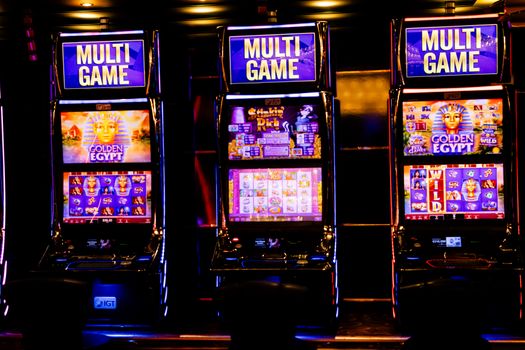
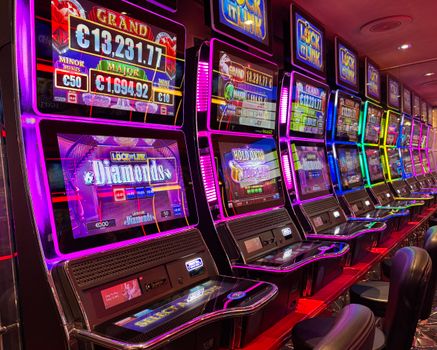
A near-miss occurs when a gambling outcome comes close to a win but ultimately results in a loss. For example, if you’re playing a slot machine and two jackpot symbols align, while the third just stops short, that’s a classic near-miss. These events are engineered into many gambling games, especially slot machines and scratch cards, and are far more frequent than actual wins.
Researchers first described the concept in the early 1980s, noting that the frequency and design of near-misses could dramatically affect a player’s experience. In fact, a 2010 study published in $1 found that near-misses activate the same brain regions as real wins, including the ventral striatum and insula. This means that, on a neurological level, our brains may interpret near-misses as almost-wins, rather than clear losses.
.png)
The Psychology Behind Near-Misses
Near-misses are powerful psychological triggers. Unlike regular losses, they produce a unique mix of frustration and motivation. In sports, a near-miss can fuel an athlete’s determination to try again. In gambling, however, this reaction can be problematic.
Several key psychological phenomena help explain why near-misses have such an impact:
1. $1: Near-misses make players believe they can influence random outcomes. A study by Clark et al. (2009) found that gamblers are more likely to continue playing after a near-miss, convinced that a win is within reach. 2. $1: As mentioned, near-misses stimulate the brain’s reward circuits. This dopamine release reinforces the desire to keep playing, even in the absence of a real win. 3. $1: Research from the University of Cambridge (2014) demonstrated that near-misses increase heart rate and subjective excitement, making players more likely to take risks. 4. $1: Gamblers may interpret near-misses as signs of impending success, despite statistical evidence to the contrary. This cognitive bias can lead to persistent gambling.Near-Misses Across Different Gambling Games
The influence of near-misses isn’t limited to slot machines. Game designers across the gambling industry utilize this psychological effect in various ways. Here’s a comparison of how near-misses manifest in different games:
| Game Type | Example of Near-Miss | Frequency (Approx.) | Player Reaction |
|---|---|---|---|
| Slot Machines | 2 jackpot symbols, 3rd just above/below payline | 1 in 20 spins | Increased play, heightened arousal |
| Scratch Cards | 2 matching symbols, 3rd is different | 1 in 5 cards | Optimism, repeated purchases |
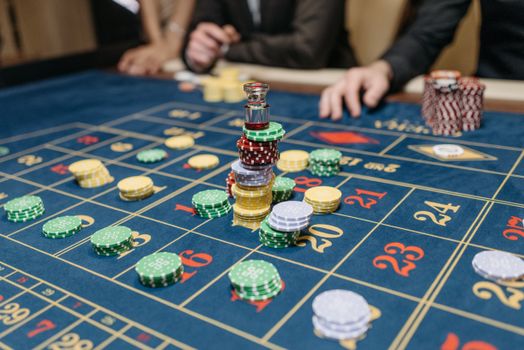
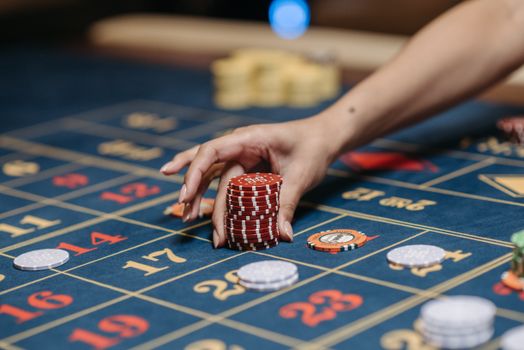
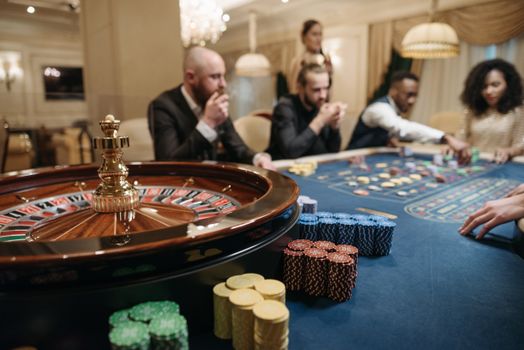
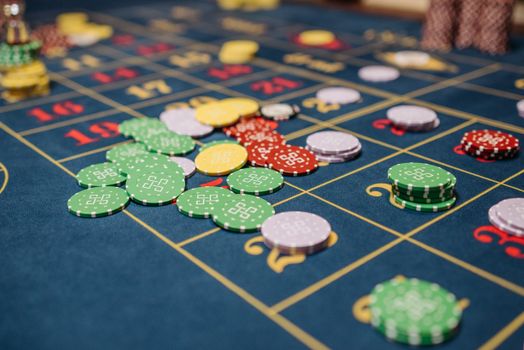
| Roulette | Ball lands next to player's number | 1 in 37 spins | Perceived as "almost lucky", encourages more bets |
| Sports Betting | Bet loses by a single point or last-minute play | Varies by event | Regret, motivation to "get even" |
For example, in a survey of 500 slot players in Las Vegas, 72% reported that near-misses made them feel more inclined to keep playing, even after a series of losses. Similarly, scratch card studies have shown that players who experience near-misses are 30% more likely to buy additional cards than those who experience straightforward losses.
The Role of Near-Misses in Problem Gambling
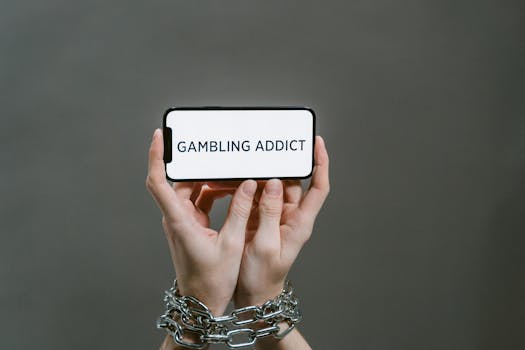
While near-misses can make gambling more exciting for casual players, they pose a significant risk for those susceptible to problem gambling. The repeated cycle of almost-winning can reinforce gambling behavior to the point of addiction. According to the National Council on Problem Gambling, approximately 2 million adults in the U.S. (about 1% of the population) meet the criteria for a severe gambling problem, and near-misses are a known contributing factor.
A pivotal 2013 study published in $1 found that participants exposed to more near-misses during slot machine play exhibited higher rates of “chasing”—the tendency to continue gambling to recover losses. This effect was especially pronounced among individuals with a history of gambling problems.
Moreover, the gambling industry’s use of near-miss mechanics has raised ethical questions. Regulatory bodies in the UK and Canada have investigated whether the deliberate design of frequent near-misses should be limited or more transparently disclosed to players.
Neuroscience: How Near-Misses Affect the Brain
Modern brain imaging technology has enabled scientists to visualize how near-misses affect gamblers at a neural level. Functional MRI (fMRI) studies have revealed that near-misses trigger activity in the brain’s reward centers almost as strongly as actual wins.
One landmark study by Dr. Luke Clark at the University of Cambridge used fMRI to observe gamblers as they played slot machines. The results showed that near-misses activated the ventral striatum and the anterior insula—areas linked to motivation, reward anticipation, and emotional arousal. This suggests that near-misses are genuinely experienced as “almost wins,” reinforcing further play.
Interestingly, individuals with a higher risk of gambling addiction show even greater neural responses to near-misses. This heightened activity correlates with stronger urges to continue gambling, even in the face of mounting losses.
Can Near-Miss Effects Be Reduced?
Given the powerful influence of near-misses, researchers and policymakers have explored strategies to mitigate their impact, especially to protect vulnerable players.
1. $1: Some jurisdictions require gambling machines to limit the frequency of near-misses. For example, since 2014, the UK Gambling Commission mandates that slot machines must not deliberately increase near-miss outcomes beyond what would occur randomly. 2. $1: Educating gamblers about the psychological tricks used in game design can help them recognize and resist the urge to chase after near-misses. Awareness campaigns and responsible gambling resources are becoming more common, especially online. 3. $1: Many online casinos now offer tools that allow players to set time or spending limits, or to take self-imposed breaks. These features help interrupt the cycle of near-misses and reduce compulsive play. 4. $1: Organizations like Gamblers Anonymous and the National Problem Gambling Helpline offer counseling and support for those affected by gambling addiction, including those caught in the near-miss trap.Conclusion
Near-misses are not just unlucky breaks—they are carefully engineered features that play a powerful role in shaping gambling behavior. By activating our brain’s reward systems and feeding the illusion of control, near-misses can keep players spinning the reels, scratching cards, or placing bets longer than they might otherwise intend.
Understanding the influence of near-misses is crucial for making informed decisions about gambling. Awareness can help protect individuals from harm, encourage responsible play, and spark important conversations about the ethics of game design. As research continues to illuminate the psychological and neurological dynamics of gambling, both players and policymakers can work towards a safer, more transparent gambling environment.