Risk vs. Reward: Understanding the Gambler's Fallacy
Every day, millions of people around the world try their luck in casinos, at racetracks, or on online betting platforms. Whether it’s the flip of a coin, the roll of dice, or the spin of a roulette wheel, gambling is fueled by our perception of risk and reward. But lurking beneath the surface of every bet is a psychological trap that can cloud judgment and drive poor decisions: the Gambler's Fallacy. This cognitive bias distorts our understanding of probability and risk, leading us to believe that chance events are “due” to balance out. To truly grasp what’s at stake when we gamble, it’s crucial to understand how the Gambler’s Fallacy works, why it’s so persuasive, and how it impacts decisions about risk and reward.
What is the Gambler’s Fallacy?
The Gambler’s Fallacy, sometimes called the Monte Carlo Fallacy, is the mistaken belief that if something happens more frequently than normal during a given period, it will happen less frequently in the future—or vice versa. Essentially, people believe that outcomes in games of chance are self-correcting over short periods, even though each event is statistically independent.
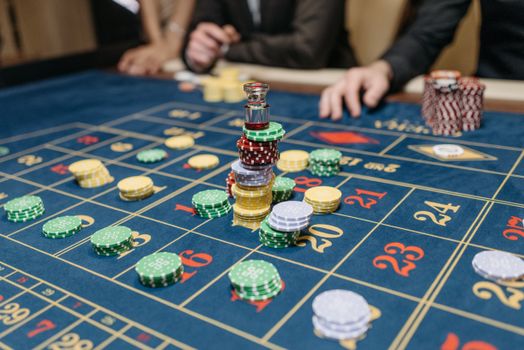
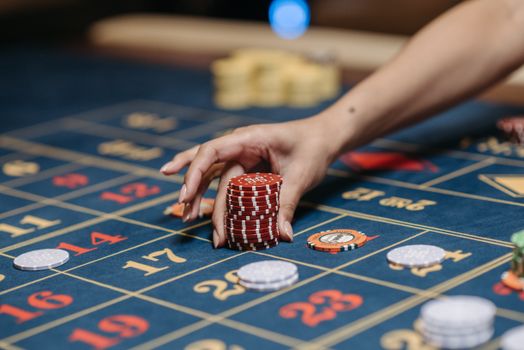
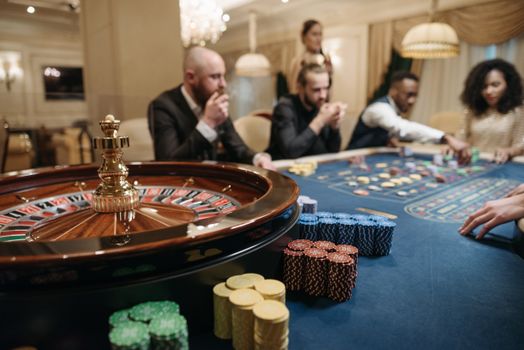
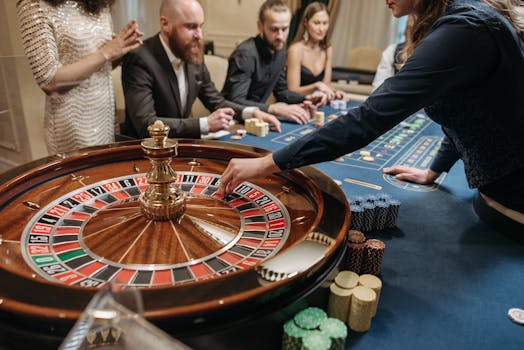
A famous example occurred at the Casino de Monte-Carlo in 1913, when a roulette ball landed on black 26 times in a row. Gamblers lost millions betting on red, convinced that a red outcome was “overdue.” In reality, each spin was independent, and the probability of red or black remained the same every time.
.png)
This fallacy is not limited to gambling; it appears in everyday life wherever people encounter randomness or chance. However, its effect is particularly pronounced in gambling environments, where rapid sequences of wins and losses amplify our sense of patterns that don’t actually exist.
How the Gambler’s Fallacy Distorts Risk Assessment
Understanding risk is fundamental to making good gambling decisions. Yet, the Gambler’s Fallacy skews our perception of risk in subtle but significant ways.
For example, consider flipping a fair coin. The chance of landing heads is always 50%, regardless of previous outcomes. Yet, after five heads in a row, many people feel that tails is “due,” believing the chance of tails is now higher. This leads to riskier bets based on faulty logic.
Research by Tversky and Kahneman, pioneers in behavioral economics, has shown that people are naturally inclined to see patterns in random events. Their studies demonstrated that even trained mathematicians can fall prey to this bias when under pressure or excitement, as is common in gambling.
The key issue is “independence of events.” In most casino games—roulette, dice, slot machines—each event is independent. The result of one spin or roll has no effect on the next. Ignoring this leads gamblers to overestimate their control over outcomes, adjusting bets in ways that increase exposure to risk rather than reward.
The Psychology Behind the Fallacy: Why It’s So Persuasive
Why do so many people, even experienced gamblers, fall victim to the Gambler’s Fallacy? The answer lies in the way our brains are wired. Humans are pattern-seeking creatures. From childhood, we learn to recognize cause and effect, to spot trends, and to predict outcomes based on experience. In most aspects of life, this serves us well. But in games of pure chance, these instincts can misfire.
The “law of small numbers,” a term coined by Tversky and Kahneman, describes our tendency to expect small samples of random events to reflect the overall probabilities. If a roulette wheel lands on black several times in succession, the expectation is that red should “catch up” soon, restoring balance. In reality, the laws of probability only work over very large numbers of trials.
Another psychological factor is the “hot hand” fallacy—the belief that a person who has experienced success with a random event has a higher chance of further success. While this is slightly different from the Gambler’s Fallacy, both stem from a misunderstanding of randomness.
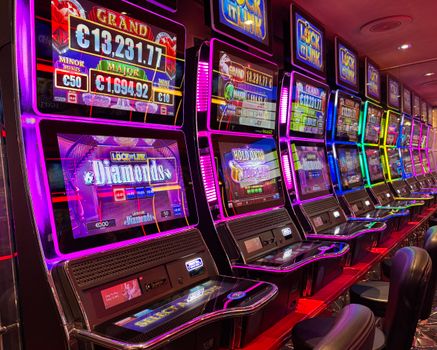
Casino environments are designed to amplify these psychological biases. Flashing lights, rapid-fire games, and public displays of wins and losses all serve to heighten emotional responses, making players more susceptible to cognitive traps like the Gambler’s Fallacy.
Risk vs. Reward: Real Odds vs. Gambler’s Perception
To illustrate how the Gambler’s Fallacy can distort decision-making, let’s compare the actual odds of common gambling games with how players often perceive their chances after a streak of similar outcomes.
| Game | Actual Probability (Per Event) | Common Gambler's Fallacy Belief | Resulting Risk |
|---|---|---|---|
| Roulette (Red or Black) | 48.6% (European wheel) | After 5 blacks, red is "due" | Overbetting on red, increased losses |
| Coin Flip | 50% | After 6 heads, tails is "guaranteed" | Riskier bets with no increased odds |
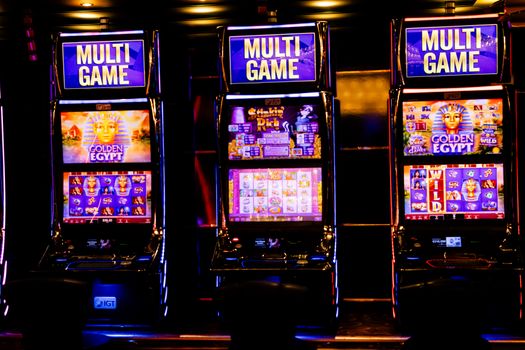
| Slot Machine Spin | Varies (typically 1 in 50,000 for jackpot) | "It's been cold, a win is coming" | Chasing losses, bigger wagers |
| Dice Roll (Specific Number) | 16.67% (one six on a die) | After several rolls without a six, a six is "imminent" | Betting more in expectation of a win |
As this table shows, the actual probability of a particular outcome does not change based on previous results. Yet, the Gambler’s Fallacy leads individuals to believe otherwise, increasing their risk exposure without any corresponding increase in expected reward.
Consequences of the Gambler’s Fallacy: Losses, Chasing, and Emotional Toll
The real-world consequences of the Gambler’s Fallacy can be severe. When players believe that a win is “due,” they are more likely to chase losses, betting more aggressively in an attempt to recover prior losses. This cycle can rapidly lead to large financial losses.
According to the National Council on Problem Gambling, about 2 million Americans (1% of adults) meet the criteria for severe gambling problems, while another 4-6 million are considered to have mild or moderate issues. Many of these cases are fueled by mistaken beliefs about probability and risk, including the Gambler’s Fallacy.
Moreover, the emotional toll of repeated losses—combined with the false hope of an impending win—can cause significant distress. It’s not uncommon for individuals to experience anxiety, depression, or strained relationships as a result of compulsive gambling driven by cognitive biases.
A 2017 study published in the Journal of Behavioral Decision Making found that people who fell for the Gambler’s Fallacy not only lost more money but also reported higher levels of frustration and regret after gambling sessions, further perpetuating the cycle of risky behavior.
How to Outsmart the Gambler’s Fallacy: Practical Strategies
Awareness is the first step to overcoming the Gambler’s Fallacy. Here are practical tips to help you make smarter decisions when faced with random events, whether in a casino or elsewhere:
1. Understand Independence: Recognize that in most gambling settings, each event (spin, roll, flip) is independent. Previous outcomes do not influence future probabilities. 2. Set Limits: Decide in advance how much you are willing to spend and stick to it, regardless of winning or losing streaks. 3. Avoid Chasing Losses: Accept that losses are part of gambling and that increasing bets to “catch up” is a losing strategy in the long run. 4. Take Breaks: Stepping away from the table or machine can help clear your mind and prevent emotional decision-making. 5. Educate Yourself: Learn about probability, randomness, and common cognitive biases. Knowledge is a powerful defense against psychological traps.Casinos rely on players making emotional, rather than rational, decisions. By staying calm, informed, and disciplined, you can enjoy the entertainment of gambling without falling prey to the Gambler’s Fallacy.
Final Thoughts on Risk, Reward, and the Gambler’s Fallacy
The Gambler’s Fallacy is a powerful illusion—one that can entice even the most rational among us to make risky, costly decisions. Understanding how it works, why it’s so persuasive, and how it distorts our perception of risk and reward is essential for anyone who gambles or makes decisions under uncertainty.
While the thrill of the game is part of the fun, acknowledging the true odds and resisting the urge to see patterns where none exist can protect your wallet and your well-being. In the end, the only thing “due” in games of chance is more random outcomes—unaffected by what came before.