The Illusion of Control in Gambling: A Psychological Perspective
Gambling has long been a source of fascination—and frustration—for people across cultures and centuries. While luck and chance are central to every game, many gamblers believe they can influence the outcome through their choices, strategies, or rituals. This phenomenon, known as the "illusion of control," is a powerful psychological bias that shapes how people approach gambling, often leading them to overestimate their ability to affect random events. Understanding this illusion not only sheds light on the nature of gambling behavior but also offers important insights into decision-making, risk-taking, and the very human need to feel in control.
Understanding the Illusion of Control: Definition and Origins
The "illusion of control" refers to the tendency for individuals to overestimate their ability to control or influence outcomes that are, in reality, determined by chance. This concept was first articulated by psychologist Ellen Langer in 1975, who found that people often act as though their skill or intervention can sway random events. In gambling, this manifests when players believe their decisions—such as choosing lottery numbers, throwing dice a certain way, or following betting systems—can change the odds of winning.
Research shows that the illusion of control is not limited to gambling; it appears in many aspects of life, from sports fans believing their presence influences a team's performance to investors thinking they can "beat the market." However, gambling provides a particularly fertile ground because the outcomes are explicitly random, and yet the stakes, excitement, and rituals amplify the illusion.
.png)
A landmark study published in the Journal of Personality and Social Psychology found that people who rolled dice themselves bet significantly more than those who watched someone else roll. This increase in bet size reflected their belief in personal influence—even though, statistically, their chances of winning were unchanged.
How Casinos and Game Design Exploit the Illusion
Casinos and game developers are well aware of the illusion of control and frequently design games to heighten this psychological bias. Every detail, from the way bets are placed to the involvement of the player in the process, can reinforce the illusion.
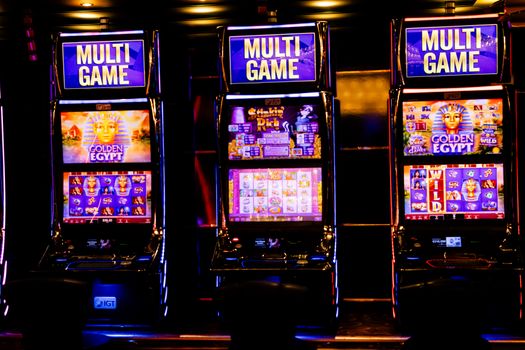
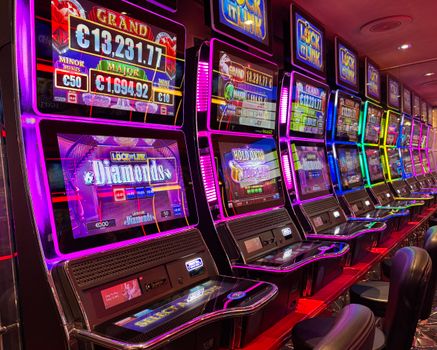
For instance, in craps, players are allowed to throw the dice themselves, which increases their sense of participation and control. Similarly, slot machines often let players "stop" the reels, creating the impression that timing can affect the outcome—despite the fact that the result is determined by a random number generator long before the button is pressed.
Scratch cards, lottery tickets, and even sports betting platforms utilize interactive elements that encourage the player to feel responsible for the result. According to a 2018 study published in the journal Addiction, games that offer more player interaction tend to foster a stronger illusion of control and, consequently, higher rates of engagement and spending.
Psychological Mechanisms Behind the Illusion of Control
Why do people fall prey to the illusion of control? Several psychological mechanisms are at play:
1. $1 When people are actively involved in an activity, they assume their actions make a difference. For example, choosing your own lottery numbers increases the belief in personal luck compared to using a quick-pick option. 2. $1 Having choices—even meaningless ones—boosts the sense of control. Studies show that gamblers prefer to pick their own cards or dice, and exhibit more confidence in their chances when they can make such choices. 3. $1 Near-miss outcomes (e.g., almost hitting the jackpot) heighten the illusion of control by making it seem like the player was "close" to winning due to their actions. 4. $1 Many gamblers develop personal rituals or "lucky" behaviors, such as wearing certain clothes or tapping the slot machine, reinforcing the belief that these actions affect the outcome. 5. $1 The human mind is wired to spot patterns, even in randomness. This leads to the gambler's fallacy (believing a win is "due" after a series of losses) and overconfidence in one's predictive abilities.Consequences: How the Illusion of Control Fuels Problem Gambling
While the illusion of control may seem harmless, it can have serious consequences, especially for those vulnerable to problem gambling. Believing that skill can overcome chance motivates gamblers to chase losses, increase bet size, and spend more time and money in the hope of eventually winning.
According to the National Council on Problem Gambling, approximately 2 million adults in the United States meet the criteria for severe gambling problems, with another 4-6 million considered to have mild or moderate issues. The illusion of control is a key driver behind these statistics, as it sustains the belief that "the next bet will be different" or "I just need to try harder."
A 2017 review published in the journal Frontiers in Psychology found that problem gamblers exhibit stronger illusions of control than non-problem gamblers. They are more likely to use betting systems, believe in personal luck, and misattribute wins to their own actions.
Comparing Games: Where the Illusion of Control Is Strongest
Not all gambling activities evoke the illusion of control to the same degree. The table below compares common gambling games by the level of player involvement and the strength of the illusion of control they typically trigger:
| Game Type | Player Involvement | Illusion of Control Strength | Chance vs. Skill (%) |
|---|---|---|---|
| Slot Machines | Low (press button/pull lever) | Moderate (illusion via "stopping" reels) | Chance 100% / Skill 0% |
| Craps | High (players roll dice) | Very Strong (throwing dice increases illusion) | Chance 100% / Skill 0% |
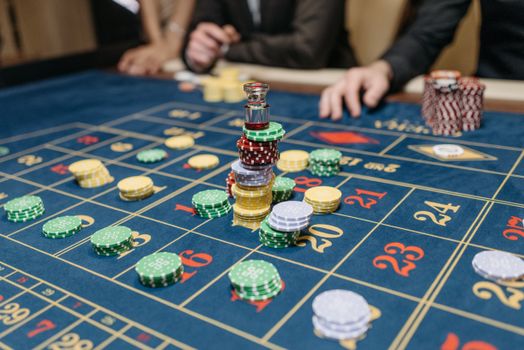
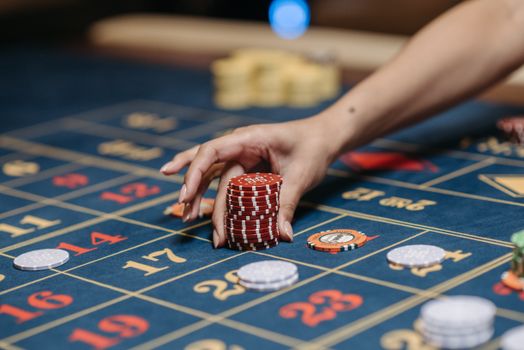
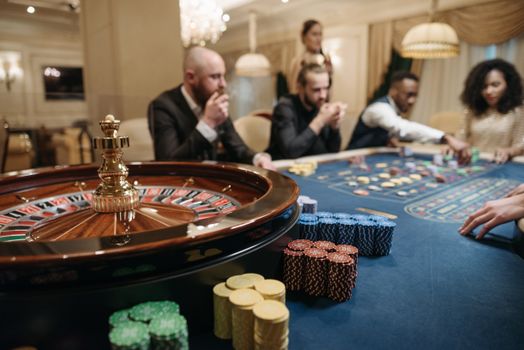
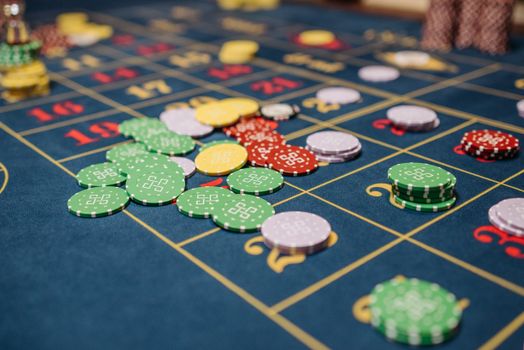
| Roulette | Moderate (choose numbers/colors) | Strong (choice increases illusion) | Chance 100% / Skill 0% |
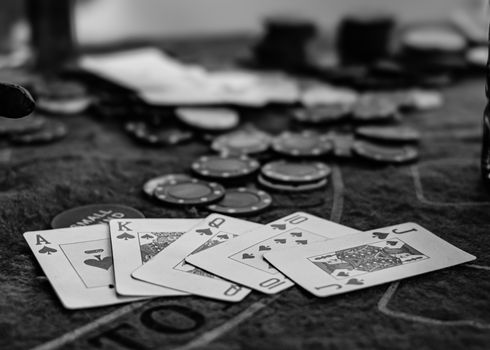
| Poker | High (strategy, skill involved) | Mixed (skill is real but chance is still significant) | Chance 75% / Skill 25% (est. for casual play) |
| Lottery | Low (buy ticket/pick numbers) | Moderate (choosing numbers increases illusion) | Chance 100% / Skill 0% |
As the table shows, games with higher player involvement tend to foster a stronger illusion of control, even when the actual influence over outcomes is nonexistent.
Counteracting the Illusion: Responsible Gambling and Awareness
Given the powerful grip of the illusion of control, what can be done to promote healthier gambling behaviors? Education and awareness are key. By teaching players about the true nature of chance and the psychological traps that can lead to excessive gambling, individuals are better equipped to make informed decisions.
Many responsible gambling programs now include information on cognitive biases, including the illusion of control. Online casinos in several jurisdictions are required to display odds and provide tools for self-monitoring. Some even incorporate "reality checks"—pop-up messages reminding players of how long they've been playing or how much they've spent.
On a personal level, setting limits on time and money, avoiding superstitious rituals, and understanding the odds can help reduce the impact of the illusion of control. Seeking support from counseling services or helplines is also recommended for those who struggle to keep gambling in check.
The Enduring Allure of Control in Games of Chance
The illusion of control is a testament to the complexity of human psychology. Even when faced with games that are entirely governed by chance, our minds seek patterns, agency, and influence. Casinos and game designers have learned to exploit these tendencies, making gambling both alluring and potentially dangerous.
Recognizing the illusion of control does not necessarily diminish the enjoyment of gambling, but it can foster a healthier relationship with risk, luck, and uncertainty. As research into cognitive biases advances, public education and responsible gambling initiatives will play an increasingly important role in helping people understand—and manage—the psychological forces that shape their behavior.