The Thrill of Chance: Understanding the Appeal of Lottery Tickets
Every week, millions of people across the globe purchase lottery tickets with dreams of instant wealth. While the odds of winning the jackpot are famously slim, the allure of lottery tickets persists, fuelled by hope, excitement, and the tantalizing prospect of a life-changing windfall. But what is it about the lottery that continues to captivate so many? This article delves into the unique psychological, social, and economic factors that make lottery tickets a global phenomenon, explores how lotteries differ from other forms of gambling, and examines the impact of these games of chance on individuals and society.
The Universal Appeal: Why Lottery Tickets Entice People Everywhere
Lottery tickets are sold in more than 100 countries, with global lottery sales surpassing $300 billion annually according to the World Lottery Association. In the United States alone, Americans spent over $105 billion on lottery products in 2022, making it the most popular form of gambling nationwide. But what drives this extraordinary enthusiasm?
At its core, the lottery appeals to a fundamental human desire: the hope for a better future. For the price of a ticket—sometimes just a couple of dollars—players buy a chance to dream. Whether it’s the fantasy of quitting a job, traveling the world, or providing security for loved ones, the lottery transforms ordinary moments into exciting possibilities.
.png)
Researchers have found that the act of purchasing a ticket provides a psychological boost, offering a temporary escape from daily routine and financial limitations. This "anticipatory pleasure" is so powerful that many people report enjoying the time spent imagining how they would spend their winnings as much as the draw itself.
The Psychology of Lottery Play: Hope, Optimism, and the Near-Miss Effect
The enduring popularity of lottery tickets is deeply rooted in human psychology. One of the most compelling factors is optimism bias—the belief that positive outcomes are more likely to happen to us than to others. Even when faced with odds as low as 1 in 292 million (the chances of winning the US Powerball jackpot), players often feel they have a genuine shot.
Another psychological driver is the "near-miss effect." Research published in the journal Nature Neuroscience shows that when players come close to winning (matching most of the numbers, for example), their brains react similarly to an actual win. This near-miss sensation can reinforce lottery participation, making people more likely to try again.
Lotteries also harness the power of social proof. Stories about winners—especially those who overcame hardship—are widely publicized, reinforcing the idea that winning is possible and, perhaps, even deserved. In communities where lottery participation is high, buying tickets can become a social activity, further normalizing the behavior.
Lottery Tickets vs. Other Forms of Gambling: A Comparative Overview
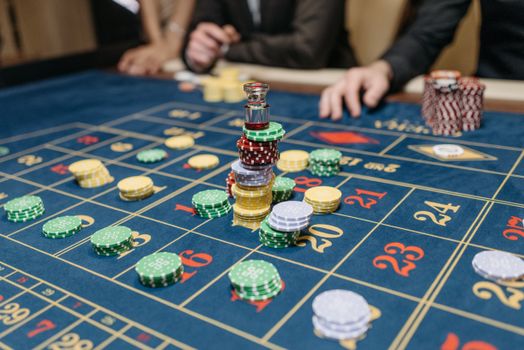
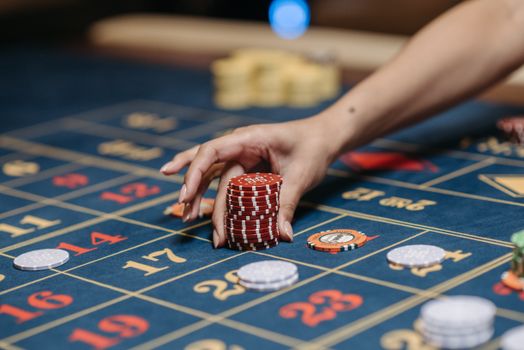
While lotteries are technically a form of gambling, they differ from casino games, sports betting, and online slots in several key ways. The following table highlights some of the most important distinctions:
| Feature | Lottery Tickets | Casino Games | Sports Betting |
|---|---|---|---|
| Cost per Play | Low (often $1–$5) | Variable (from $1 to thousands) | Variable (from $1 upwards) |
| Skill Involvement | None (pure chance) | Varies (some skill in poker/blackjack) | High (requires sports knowledge) |
| Frequency of Draws | Weekly/Bi-weekly | Continuous (games run 24/7) | Continuous (matches daily) |
| Typical Jackpot Size | Up to $2 billion (Powerball, 2022) | Usually capped ($10,000–$1 million) | Varies (based on bets) |
| Chance of Winning Top Prize | Extremely low (1 in 292 million) | Lower than most, but odds vary | Depends on bet and event |
| Social Perception | Generally positive or neutral | Mixed (some stigma) | Mixed (growing acceptance) |
This comparison helps explain why the lottery holds such a unique place in popular culture. Its low cost, lack of skill requirement, and enormous jackpots make it accessible and appealing to a broad demographic, including many who would never step foot in a casino.
The Social and Economic Impact of Lottery Participation
Lottery tickets do more than offer personal excitement—they also play a significant role in government revenue and public funding. In many jurisdictions, lottery proceeds support education, infrastructure, and social programs. For example, in the United Kingdom, the National Lottery has contributed over £46 billion to good causes since its inception in 1994. In the US, state lotteries often earmark profits for public schools and scholarships.
However, the economic impact of lotteries is complex. Critics argue that lotteries disproportionately attract lower-income individuals who may spend a larger percentage of their income on tickets. According to a 2018 report from the Howard Center for Investigative Journalism, lottery retailers are often concentrated in lower-income neighborhoods, raising concerns about equity and financial vulnerability.
On the positive side, lotteries generate billions in revenue and create jobs in retail, administration, and marketing. They also provide regulated alternatives to illegal gambling, channeling funds into the public sector rather than the black market.
The Rituals and Superstitions Behind Lottery Play
For many, buying a lottery ticket is more than a transaction—it's a ritual. Players often have "lucky" numbers, purchase tickets from favored locations, or play on specific days. Some choose birth dates, anniversaries, or numbers seen in dreams, convinced these choices boost their chances.
In a 2020 survey by Statista, nearly 30% of US lottery players admitted to using the same set of numbers for every draw, while 15% relied on family members' birth dates. These rituals and superstitions add a personal touch, enhancing the sense of agency and meaning in an otherwise random system.
Cultural traditions also play a role. In China, for example, the number 8 is considered extremely lucky, so tickets with multiple eights are highly sought after. In Italy, the national lottery (SuperEnalotto) is linked to historic festivals and community events, blending chance with tradition.
Lottery Tickets in the Digital Age: Changing How We Play
The way we buy and play lottery tickets has evolved dramatically in the past decade. Online platforms and mobile apps now allow players to purchase tickets, join syndicates, and check results from the comfort of their homes. In 2023, digital lottery sales grew by 12% worldwide, propelled by younger demographics and increased smartphone usage.
Digital platforms also enable new formats and innovations, such as instant-draw games and international lotteries where players can participate across borders. However, the shift to online play has prompted renewed focus on responsible gambling tools and age verification, as access becomes easier than ever.
Despite these technological advances, the core appeal of the lottery remains the same: the thrill of chance, the anticipation of the draw, and the hope that fortune might smile on you next.
Final Thoughts on the Enduring Allure of Lottery Tickets
Lottery tickets hold a special place in the landscape of games of chance, offering a unique blend of hope, excitement, and social connection. Their appeal crosses age, income, and cultural boundaries, driven by psychological forces like optimism, anticipation, and the human love of storytelling.
As digital technology reshapes how we play, and as debates continue over the social impact of state-run lotteries, one thing is clear: the fascination with the lottery is as much about the journey as the destination. For a few dollars, anyone can buy a ticket to dream—a small, tangible chance at something extraordinary.