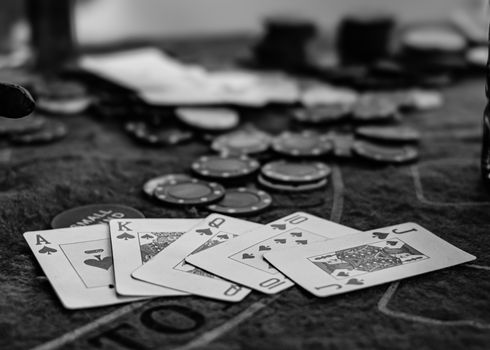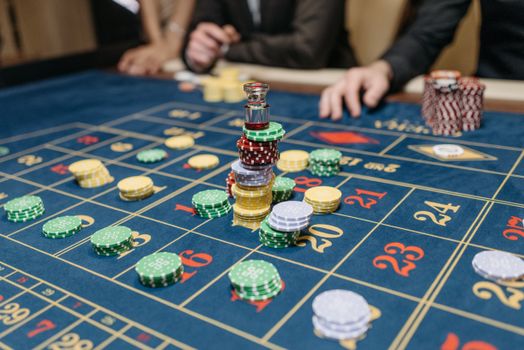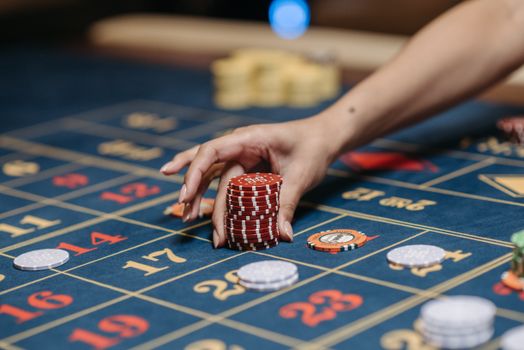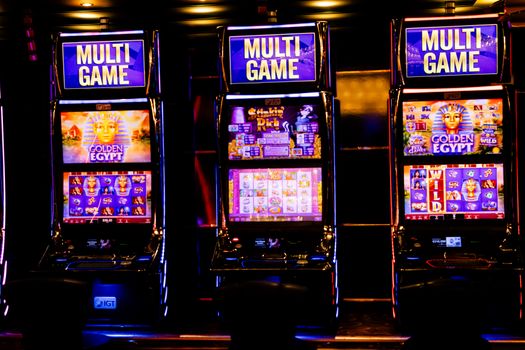
Feeling lucky is more than just a fleeting emotion—it’s a complex psychological phenomenon that has fascinated researchers, gamblers, and casino operators alike. But what actually happens in the brain when someone feels lucky? Why do some gamblers seem to ride winning streaks, while others spiral into consistent losses? In this article, we’ll dive into the science behind feeling lucky, exploring the cognitive, neurological, and behavioral mechanisms that drive gamblers’ perceptions of luck. We’ll also look at the latest research findings, real-world examples, and how understanding the “lucky feeling” can illuminate broader truths about human decision-making.
The Psychology of Luck: Why Do Gamblers Feel Lucky?
The experience of luck isn’t just about random chance—it’s rooted in psychology. Studies show that up to 72% of frequent gamblers report feeling “lucky” on a regular basis, even though the odds of winning remain unchanged. This persistent sense of luck is driven by several psychological factors:
1. $1: The human brain is wired to find patterns, even in random events. Gamblers often fall prey to cognitive biases such as the “hot hand fallacy,” which is the belief that a person who has experienced success with a random event has a greater chance of further success. Conversely, the “gambler’s fallacy” convinces people that past losses mean a win is “due.” 2. $1: Research from the University of Cambridge found that gamblers who perceive some degree of control over a game (like choosing lottery numbers) report feeling luckier than those who do not. This illusion of control leads players to believe their actions can influence outcomes, even in pure games of chance. 3. $1: Positive emotions tied to early wins can create a lasting association between gambling and feeling lucky. For example, a study published in the Journal of Gambling Studies found that 60% of regular slot machine players described their first big win as a “life-changing” moment that reinforced their belief in personal luck.The Brain’s Role: Neurochemistry and the “Lucky” Feeling
Recent advances in neuroscience have shed light on what happens inside the brain when gamblers feel lucky. Functional MRI (fMRI) and PET scans reveal that gambling activates the brain’s reward circuitry, particularly the release of dopamine—a neurotransmitter linked to pleasure and motivation.
.png) - $1: A 2017 study by Clark et al. at the University of Cambridge demonstrated that anticipation of a win, not just the win itself, causes a spike in dopamine. This surge can create a sense of euphoria and the subjective feeling of being “on a roll” or “in luck.”
- $1: Interestingly, near misses—almost winning—trigger similar dopamine responses as actual wins. This effect was quantified in a 2014 study that found near misses increased gamblers’ motivation to continue playing by 30%, compared to clear losses.
- $1: Some people may be biologically predisposed to feel luckier than others. Research published in Nature Genetics identified variants in the DRD4 gene (a dopamine receptor) that are more common among high-frequency gamblers, potentially making them more sensitive to reward signals.
- $1: A 2017 study by Clark et al. at the University of Cambridge demonstrated that anticipation of a win, not just the win itself, causes a spike in dopamine. This surge can create a sense of euphoria and the subjective feeling of being “on a roll” or “in luck.”
- $1: Interestingly, near misses—almost winning—trigger similar dopamine responses as actual wins. This effect was quantified in a 2014 study that found near misses increased gamblers’ motivation to continue playing by 30%, compared to clear losses.
- $1: Some people may be biologically predisposed to feel luckier than others. Research published in Nature Genetics identified variants in the DRD4 gene (a dopamine receptor) that are more common among high-frequency gamblers, potentially making them more sensitive to reward signals.
Luck Perception in Different Gambling Environments
Not all gambling experiences are created equal when it comes to feeling lucky. The environment, social context, and even the type of game can greatly influence luck perception. Let’s compare some of the main gambling settings:
| Gambling Environment | Perceived Luck | Key Psychological Triggers | Reported Frequency of "Lucky" Feelings |
|---|---|---|---|
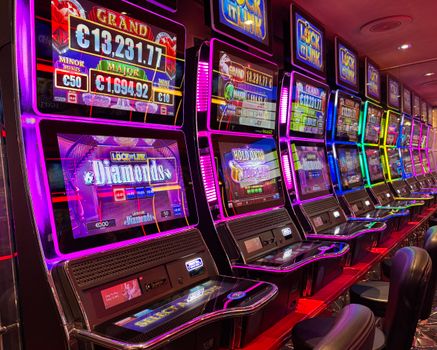
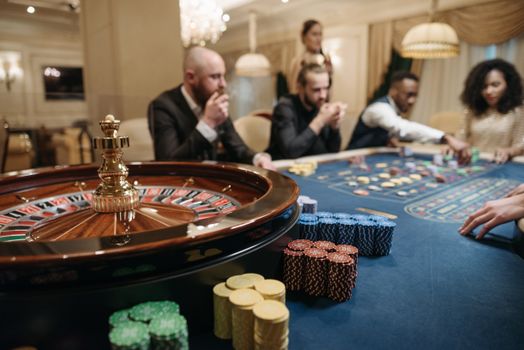
| Casino Floor | High | Lights, sounds, social proof, celebratory atmosphere | 68% |
| Online Casino | Moderate | Personalization, instant feedback, chat rooms | 54% |
| Sports Betting | Variable | Knowledge illusion, team loyalty, event unpredictability | 61% |
| Lottery | Low | Randomness, infrequent wins, minimal control | 38% |
These numbers show that the immersive, high-stimulation environment of traditional casinos maximizes the feeling of luck, while more detached or infrequent forms of gambling—like the lottery—diminish it.
Social Influences: How Others Shape Our Perceptions of Luck
Feeling lucky is not just an individual experience; it’s often reinforced, amplified, or challenged by social interactions. Studies in social psychology reveal several ways in which other people shape a gambler’s perceived luck:
- $1: When players witness others winning, their own belief in luck increases. A 2018 study found that slot machine players were 43% more likely to describe themselves as “lucky” after seeing another player win a jackpot. - $1: Socially shared rituals—such as blowing on dice or wearing a “lucky” shirt—can boost confidence and performance. These behaviors are reinforced by group dynamics and storytelling, making luck a shared cultural experience. - $1: Group gambling, such as poker nights or sports pools, provides emotional cushioning for losses, allowing players to externalize bad luck and preserve their belief in future wins.Luck, Decision-Making, and Risk-Taking: What the Research Says
The perception of luck has a profound impact on decision-making and risk-taking in gambling. Researchers have documented important links between feeling lucky and behavior:
- $1: A 2020 survey of more than 2,000 gamblers found that those who rated themselves as “lucky” were 27% more likely to increase their bet size after a win compared to those who did not. - $1: Feeling lucky can lead to persistence in the face of losses. In an experiment published in the Journal of Behavioral Decision Making, participants primed to feel lucky continued playing 40% longer than the control group, even when losing. - $1: The subjective belief in luck can override rational risk assessment. For example, gamblers who feel “hot” are more likely to make riskier bets, such as doubling down in blackjack or placing high-odds parlay bets in sports.Can “Feeling Lucky” Be Measured? Tools and Approaches
Given its subjective nature, scientists have developed various tools to measure the feeling of luck in gamblers:
- $1: The Belief in Good Luck Scale (BIGLS) is widely used to assess how strongly individuals believe in their own luck. In a 2015 study, BIGLS scores were a reliable predictor of gambling frequency and risk-taking. - $1: Researchers observe gamblers’ reactions to wins, losses, and near misses, coding behaviors like celebration, frustration, or continuation after streaks. - $1: Some studies use heart rate monitors and skin conductance sensors to track arousal levels during gambling sessions, correlating spikes with self-reported feelings of luck. - $1: Functional brain scans (fMRI, PET) identify the neural correlates of the lucky feeling, particularly in the ventral striatum and prefrontal cortex.Final Thoughts: The Mystery and Power of Feeling Lucky in Gambling
The science behind feeling lucky combines psychology, neurobiology, and social dynamics. Gamblers’ perceptions of luck are shaped by cognitive biases, dopamine-driven reward circuits, and the influence of others. While luck itself remains a matter of chance, the feeling of being lucky is a powerful force—one that can alter behavior, fuel risk-taking, and even change life trajectories.
Understanding why and how people feel lucky doesn’t just reveal the secrets of gambling; it offers insights into human nature, decision-making, and the enduring allure of chance. As research continues, decoding the “lucky feeling” may help promote healthier gambling habits and foster a deeper understanding of our relationship with risk and randomness.