The Glittering Illusion: How Casinos Manipulate the Perception of Luck
From the mesmerizing swirl of slot reels to the triumphant chimes of jackpot wins, casinos are masters at creating an atmosphere where luck feels just a fingertip away. But behind the dazzling lights and pulsating sounds lies a carefully constructed environment engineered to make players believe luck is on their side. Understanding how casinos manipulate the perception of luck not only sheds light on their psychological strategies but also empowers visitors to make more informed decisions. Let’s explore the subtle and overt ways casinos influence our sense of luck, the science behind these tactics, and why so many players walk away convinced that their big break is just around the corner.
The Casino Environment: Designing for Luck
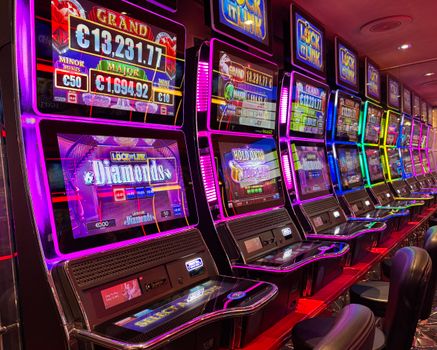
Every detail inside a casino is meticulously planned to foster the illusion of luck. From the moment you step inside, the sensory overload begins: flashing lights, cascading sounds, and a labyrinthine layout that keeps you wandering. Studies show that the average casino floor is designed so guests walk 30% farther than necessary to reach their intended destination. This isn’t accidental—it’s calculated to increase exposure to games, which in turn increases the chances of spontaneous play.
Colors are chosen for their psychological effects. Warm tones like reds and golds evoke excitement and energy, while soft lighting creates a sense of intimacy and comfort. The absence of clocks and windows is another classic trick; a University of Nevada study found that players stayed at tables 18% longer in windowless, clockless environments than in those with time cues. By disorienting your sense of time and space, casinos enhance the perception that luck is boundless and ever-present.
.png)
Sound and Sensation: The Illusion of Winning
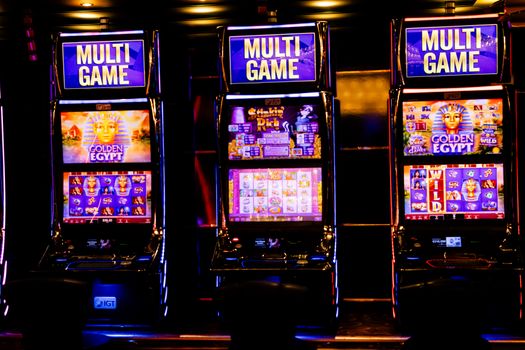
Audio cues play a crucial role in manipulating how players perceive luck. Modern slot machines, for example, are programmed to emit celebratory sounds not just for wins, but for “near misses” and small payouts. Research from the University of Waterloo revealed that players’ brains respond to these sounds as if they’ve experienced a significant win—even when the payout is less than the original bet.
This phenomenon, known as “losses disguised as wins,” keeps players engaged. In one study, 43% of slot machine spins were accompanied by winning sounds, but only 20% actually resulted in a monetary gain. The result? Players develop a skewed sense of success, believing they’re luckier than they are.
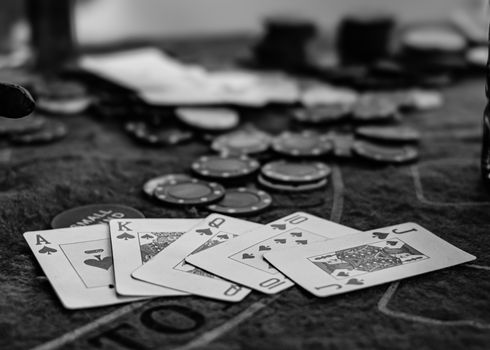
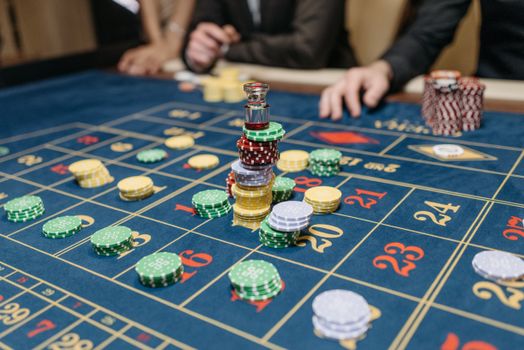
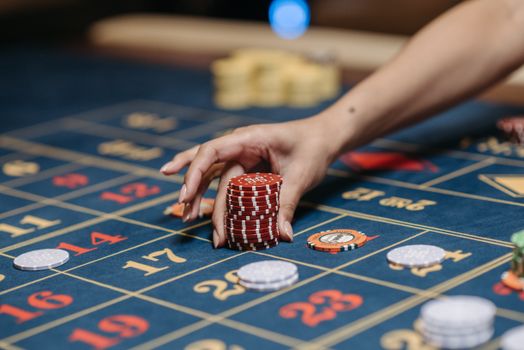
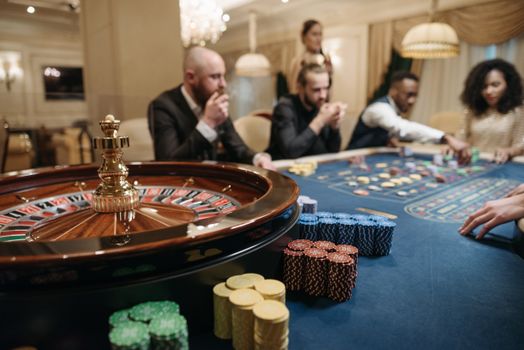
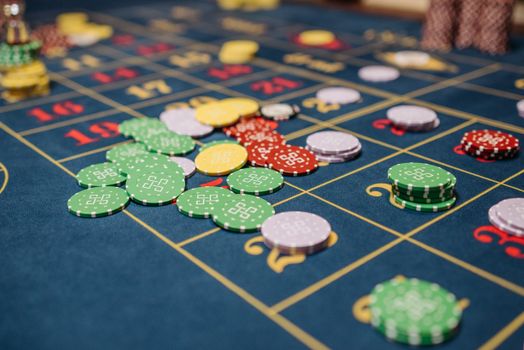
Table games are no different. Dealers are trained to congratulate winners with enthusiastic gestures and verbal affirmations, while losses are quietly acknowledged. The frequent clatter of chips, the ding of a roulette wheel, and the shuffle of cards all work together to create an atmosphere where wins seem constant—regardless of the reality.
Near Misses and Gambler’s Fallacy: Twisting the Odds
Perhaps the most powerful tool at a casino’s disposal is the manipulation of near misses. Slot machines are expertly programmed so that “just missing” a jackpot occurs more frequently than true randomness would allow. A 2010 study published in the Journal of Experimental Psychology found that near misses activate the same brain regions as actual wins, delivering a rush of dopamine and encouraging continued play.
This psychological trick feeds into the gambler’s fallacy: the belief that a win is “due” after a series of losses. Casinos exploit this by prominently displaying recent “almost-wins,” with digital displays and celebratory sounds. The result is a feedback loop—players feel they’re on the verge of a lucky break, prompting them to chase losses or increase their bets.
Jackpot Displays and Winner Boards: Creating Social Proof
Social proof is a powerful motivator. Casinos leverage this by showcasing jackpot wins and recent payouts on digital displays and winner boards. Even if only a small percentage of players win big, these victories are highly visible and heavily promoted.
Consider this: in Las Vegas, the average slot machine jackpot occurs roughly once every 10,000 spins, but winner announcements are posted throughout the casino. Casinos have found that displaying these wins increases play at corresponding machines by up to 25%. The implication is clear—if someone else just won, your luck could be next.
Some casinos even use “mystery jackpots,” where a random player is awarded a surprise prize. This unpredictable reward system, combined with public announcements, creates an atmosphere where luck feels contagious.
Comparing Perceived Luck vs. Actual Odds
To understand how casinos manipulate luck, it helps to compare what players feel versus the mathematical reality. The table below highlights some common games and the difference between perceived luck and actual odds.
| Game | Perceived Luck Factor | Actual Odds of Winning | House Edge (%) |
|---|---|---|---|
| Slot Machines | High (frequent near-misses, celebratory sounds) | 1 in 49 million (jackpot) | 5% to 15% |
| Roulette (Single Zero) | Moderate (visual excitement, frequent small wins) | 1 in 37 (straight-up bet) | 2.70% |
| Craps (Pass Line) | High (loud celebrations, group wins) | 49.3% (pass line bet) | 1.41% |
| Blackjack (Basic Strategy) | Low to Moderate (requires skill, steady play) | 42% (average win rate) | 0.5% to 2% |
As shown, the perceived frequency of wins—enhanced by casino design—rarely aligns with the statistical odds. This gap between perception and reality is the foundation of the casino’s manipulation of luck.
Loyalty Programs and Freebies: Reinforcing the Lucky Feeling
Casinos don’t just rely on sensory tricks—they also reward loyalty. Complimentary drinks, free meals, and exclusive event invitations are all designed to make players feel like valued winners. In 2022, U.S. casinos spent an estimated $7.6 billion on comps and rewards, according to the American Gaming Association. These perks reinforce the idea that luck is on your side, whether or not you’re actually winning.
Loyalty programs are tiered, encouraging players to chase status and unlock greater rewards. The psychological effect is powerful: by framing rewards as “earned through play,” casinos make you feel as though luck is a personal achievement, not just random chance.
The Power of Storytelling: Myths, Legends, and Personal Narratives
Casinos also manipulate perceptions of luck through storytelling. Legendary tales of massive wins—like the $39.7 million Megabucks jackpot hit at the Excalibur in Las Vegas—are woven into the casino’s identity. These stories are retold in advertisements, on winner boards, and even by dealers, reinforcing the dream that anyone could be the next lucky winner.
Personal narratives play a role too. Players often share stories of “lucky streaks” or “almost” wins, which become self-reinforcing. This communal sharing of luck, both real and imagined, keeps players engaged and hopeful.
Final Thoughts: Seeing Through the Lucky Mirage
Casinos are experts at creating environments where luck feels tangible and ever-present. Through a combination of design, sound, sensory manipulation, and social proof, they foster illusions that keep players coming back for more. Understanding these tactics is the first step to seeing through the mirage and making informed decisions about your play.
While luck is always a factor in gambling, recognizing the strategies casinos use to manipulate your perceptions can help you play smarter—and avoid falling prey to the glittering illusion.