When you step inside a casino, the air is electric with possibility. From the dazzling lights to the chorus of slot machines, every corner whispers promises of fortune. Yet, one question lingers in the minds of gamblers and observers alike: $1 Popular culture is brimming with tales of lucky streaks, “hot hands,” and the belief that some people are simply “luckier” than others. But how much of this is myth, and how much is reality? In this article, we’ll debunk common misconceptions, explore the science behind luck, and reveal what truly shapes your chances in the casino.
The Casino’s Great Equalizer: The Mathematics of Randomness
At the heart of every casino game lies a simple, unyielding principle: mathematics. Games are built on probability, not superstition or personal fortune. Whether it’s a roulette wheel, a deck of cards, or a digital slot machine, each outcome is determined by random processes governed by statistical laws.
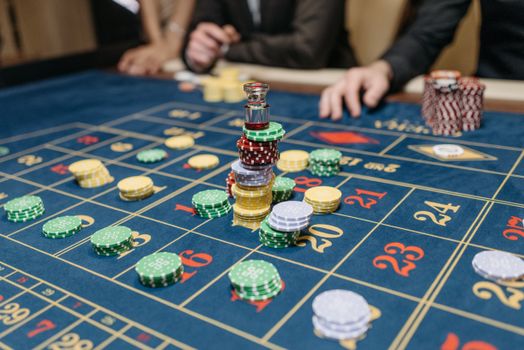
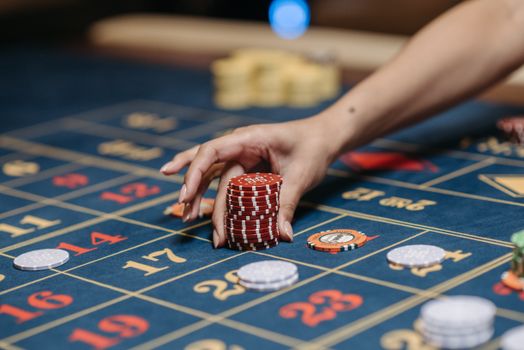
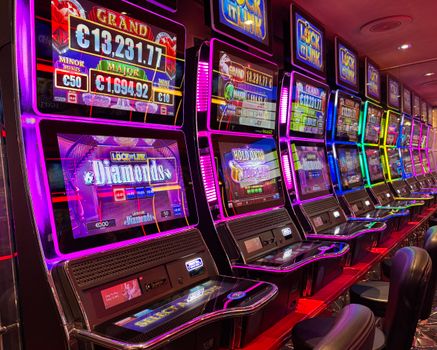
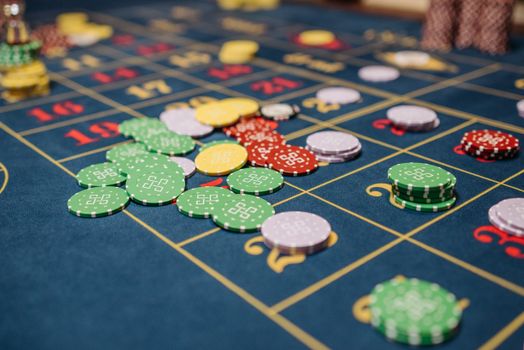
For example, the probability of winning a single number bet on a European roulette wheel is 1 in 37, or roughly 2.7%. This does not change based on who is spinning the wheel or how lucky they feel that day. Similarly, slot machines use random number generators (RNGs) to ensure that every spin is independent and unpredictable.
.png)
In fact, regulatory bodies require that games operate according to these principles to prevent manipulation. In Nevada, for example, the Gaming Control Board rigorously tests casino machines to ensure fairness. Thus, from a mathematical standpoint, everyone faces the same odds the moment they place a bet.
Luck Versus Skill: Do “Lucky” Players Really Exist?
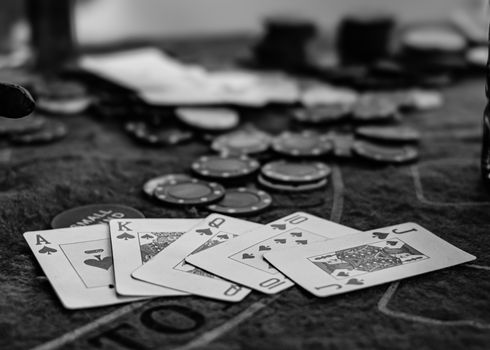
One enduring myth is that certain individuals possess a natural “lucky streak,” giving them an edge over others. While some games like poker or blackjack involve elements of skill, most casino games—such as slots, roulette, and baccarat—are games of pure chance.
The concept of “luck” is largely a cognitive bias. Psychologists have shown that humans are prone to seeing patterns in randomness, attributing wins to luck and losses to bad fortune. In reality, if you flip a fair coin 10 times, you may get heads 7 times purely by chance, but this doesn’t make you “luckier.”
A study published in the $1 in 2018 revealed that 67% of casino patrons believed in luck or lucky rituals, even though their outcomes were statistically identical to those who did not. This highlights how pervasive the myth of personal luck is, despite evidence to the contrary.
Environmental and Psychological Factors: The Illusion of Unequal Luck
While the math is impartial, the $1 can create the illusion that luck is unevenly distributed. Here’s how:
- $1 People tend to remember big wins and forget losses, leading to the belief that they (or others) are particularly lucky. - $1 Statistical variance can make it appear that someone is on a “hot streak,” but over time, outcomes always revert to the mean. - $1 Watching someone hit a jackpot can create the impression that luck is contagious or that some people are luck magnets. - $1 Rituals like wearing lucky charms or playing at certain times reinforce the myth of unequal luck.Casinos themselves often encourage these beliefs—publicizing big winners and creating a festive atmosphere around jackpots—to heighten the sense of excitement and possibility.
House Edge: The Ultimate Leveler
The true constant in any casino is the $1—the built-in mathematical advantage that ensures the casino profits over time. Whether you’re a first-time visitor or a seasoned gambler, the house edge applies equally to everyone.
Let’s compare the house edges of popular casino games:
| Game | House Edge (%) | Skill Involved? |
|---|---|---|
| European Roulette | 2.7 | No |
| American Roulette | 5.26 | No |
| Blackjack (basic strategy) | 0.5 | Yes |
| Baccarat (banker bet) | 1.06 | No |
| Slot Machines | 2-15 | No |
| Poker | Varies (Rake) | Yes |
As the table demonstrates, regardless of perceived luck, the house edge is a statistical reality that affects all players. Over the long haul, the casino always wins.
Does Time or Location Influence Luck?
Another pervasive belief is that luck varies depending on the time of day, day of the week, or even the specific machine or table chosen. However, studies and casino regulations debunk these notions:
- $1 Modern slot machines are programmed to pay out at specific percentages over millions of spins, regardless of the time or who is playing. The Nevada Gaming Commission mandates that these payouts remain consistent. - $1 While some machines have different payout rates, these are set by the casino and not influenced by external factors. There is no evidence that machines “heat up” or “cool down” at certain times. - $1 Every spin, roll, or deal is an independent event, unaffected by previous outcomes or the time of day. The Gambler’s Fallacy—the belief that a win is “due”—is a well-documented cognitive bias.This means your odds are the same whether you play at 3 PM or 3 AM, on a busy Friday or a quiet Tuesday.
Famous Casino Wins and the Role of Probability
Media coverage of massive casino wins—like the $39.7 million Megabucks slot jackpot won by a 25-year-old software engineer in Las Vegas in 2003—fuels the belief that some people are just “born lucky.” But statistics tell a different story.
According to the University of Nevada, Las Vegas, the odds of winning the Megabucks jackpot are roughly 1 in 49,836,032. When you consider the millions of spins happening daily across Nevada, it’s statistically inevitable that someone will hit the jackpot eventually. The winner isn’t “luckier” than anyone else; they’re the result of large numbers and probability.
Similarly, stories of “unlucky” players losing fortunes are also common. In 2017, a British gambler lost £13 million in just three days at a London casino. Such outcomes are dramatic, but they’re also statistical outliers—not evidence of unequal luck.
What Really Influences Casino Outcomes?
So, if everyone faces the same odds, what factors actually affect your casino experience?
- $1 Choosing games with lower house edges (like blackjack with basic strategy) can extend your playtime and improve your chances. - $1 Setting limits and managing your money wisely ensures you can play longer and avoid devastating losses. - $1 In games that involve decision-making (like poker or blackjack), skill can influence outcomes—though luck still plays a significant role in the short term. - $1 For many, the real “win” is the enjoyment and excitement of playing, not just the monetary outcome.Ultimately, the belief that some people are inherently luckier than others at casinos is a myth. The only true constants are the laws of probability and the house edge.
Final Thoughts: The Truth About Luck in Casinos
The allure of the casino is built on the dream that anyone can win big. While it’s true that fortune can smile on anyone for a moment, the odds don’t favor one player over another in purely chance-based games. Everyone who walks through the casino doors faces the same probabilities, governed by the rules of mathematics and randomness.
Understanding this reality can help you enjoy casino gaming for what it truly is: a form of entertainment, not a test of personal luck. So next time you spin the wheel or hit the slots, remember—the only thing that’s truly equal at the casino is the unpredictability of chance.