How Our Brain Tricks Us into Believing in Gambling Luck
Every day, millions of people around the world are drawn to gambling—whether it’s buying a lottery ticket, spinning a slot machine, or placing bets on sports. While some see it as entertainment, others chase the elusive dream of a big win. But have you ever wondered why so many gamblers truly believe they’re “due for a win,” have a “lucky streak,” or trust in lucky charms? The answer lies deep within the workings of our brain. Neuroscience and psychology reveal that our brains are hardwired to misinterpret chance, risk, and reward—ultimately tricking us into believing in gambling luck. In this article, we will explore the fascinating cognitive and neural mechanisms that foster these illusions, why they persist, and how understanding them can empower you to make smarter choices.
The Roots of Gambling Luck: Evolution and the Human Brain
To understand why our brains are so susceptible to the illusion of luck, we must look back to our evolutionary past. Our ancestors survived by spotting patterns in nature—identifying which berries were safe, predicting animal migrations, or sensing subtle changes in the environment. Pattern recognition was (and still is) a powerful survival tool, but it comes with a cost: we see patterns even where none exist.
This tendency, known as “apophenia,” is especially active when outcomes are random, such as in gambling. Our brains are wired to detect order in chaos, which leads us to believe that a certain sequence of numbers or a particular slot machine is “hot” or “lucky,” even though each outcome is statistically independent.
.png)
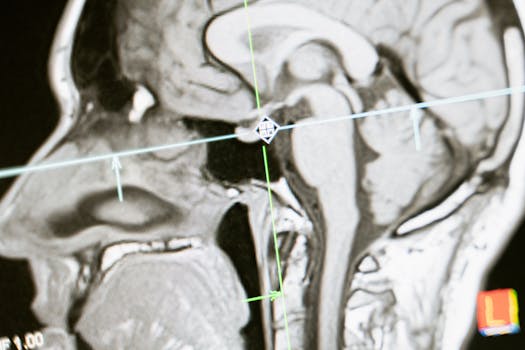
A 2009 study published in $1 showed that the brain’s reward system, specifically the ventral striatum, lights up in response to random rewards—reinforcing the sense that a “lucky” outcome is meaningful. This neurological response is a double-edged sword: while it drove our ancestors to seek rewards, it now fuels the modern gambler’s faith in luck.
Understanding Cognitive Biases in Gambling
Our beliefs about luck in gambling are shaped by several powerful cognitive biases—systematic errors in thinking that affect our judgments and decisions. Let’s explore the most influential biases:
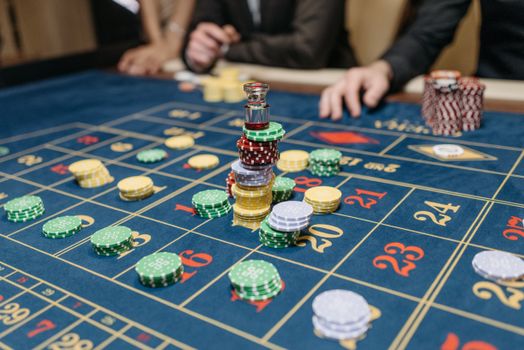
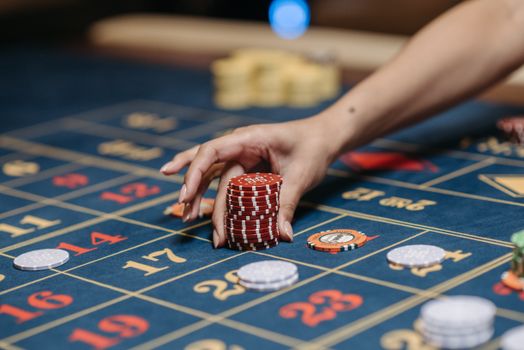
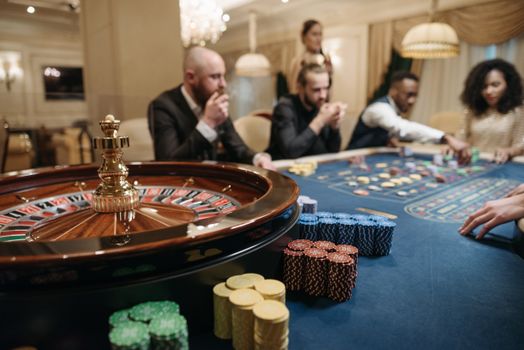
1. The Gambler’s FallacyAlso known as the “Monte Carlo Fallacy,” this is the mistaken belief that if something happens more frequently than normal during a given period, it will happen less frequently in the future (or vice versa). For example, if a roulette wheel lands on black five times in a row, many believe red is “due.” In reality, the odds remain the same for each spin.
2. The Illusion of ControlThis bias leads gamblers to believe they can influence outcomes that are actually random. Rolling dice harder for higher numbers, blowing on slot machine buttons, or choosing “lucky” lottery numbers are all examples. A 2014 study in the $1 found that people feel more confident about outcomes when they have some involvement, even if it makes no difference.
3. Confirmation BiasWe tend to remember our wins and forget our losses, or reinterpret losses as “near wins.” This selective memory strengthens the belief that we’re luckier than we actually are. Research shows that “near misses” on slot machines activate the same brain regions as actual wins, reinforcing the desire to keep playing.
4. Availability HeuristicIf we hear stories about big winners—like someone hitting a massive jackpot—we overestimate the likelihood of it happening to us. Casinos and lotteries actively promote these stories, feeding our belief in luck.
The Brain’s Reward System and the Allure of Randomness
Why does gambling feel so exciting—and sometimes even addictive? The answer lies in the neurochemistry of our brain’s reward system. When we gamble, our brains release dopamine, a neurotransmitter associated with pleasure, motivation, and learning. A win, or even the anticipation of a win, triggers a surge of dopamine, making us feel exhilarated.
What’s remarkable is that the unpredictability of gambling rewards—whether we win or lose—is what makes dopamine spikes most potent. In a 2011 study, neuroscientists found that the brain releases more dopamine when rewards are random rather than predictable. This is called “variable ratio reinforcement,” and it’s the same principle that makes slot machines, video games, and social media so engaging.
The more unpredictable the reward, the stronger the chemical response. This is why casino games are designed with flashing lights, sounds, and intermittent payouts—to keep your brain craving more.
Comparing Chance and Skill: How Our Perceptions Differ
Many gamblers believe that luck can be influenced or “earned” through behavior or rituals, even in games of pure chance. Let’s compare how the brain perceives luck in games of chance versus games of skill:
| Aspect | Games of Chance (e.g., Roulette, Slots) | Games of Skill (e.g., Poker, Blackjack) |
|---|---|---|
| Outcome Determined By | Randomness, probability | Player decisions + chance |
| Perceived Control | Low, but often overestimated | Moderate to high |
| Illusion of Luck | Very strong (lucky streaks, rituals) | Present, but more focus on strategy |
| Dopamine Response | High for random wins/losses | High for skillful play and wins |
| Common Biases | Gambler’s fallacy, illusion of control | Overconfidence, hindsight bias |
As shown in the table, the belief in gambling luck is strongest in pure chance games, where our brains crave patterns and control but have none. In skill-based games, players also experience illusions of luck, but often attribute outcomes to their own abilities, creating a different—but still powerful—cognitive bias.
Superstitions, Rituals, and the Search for Meaning
Why do so many gamblers have lucky charms, rituals, or specific routines before playing? This behavior is another way our brains try to gain control over randomness.
A survey by the UK Gambling Commission in 2022 found that 34% of regular gamblers reported using a “lucky charm” or engaging in a ritual before gambling. Examples include wearing lucky clothing, blowing on dice, or playing at a certain time of day.
Psychologists call this “magical thinking”—the belief that unrelated actions can influence outcomes. In uncertain situations, rituals provide comfort and a sense of predictability. The placebo effect is at work here: if a ritual coincides with a win, the brain links the two, reinforcing the behavior.
Famous gamblers are often highly superstitious. Tennis legend Serena Williams, for instance, has a strict sequence of pre-match rituals, and poker pros often wear the same clothes for luck. Even when rationally we know luck can’t be controlled, the emotional brain overrides logic in the heat of the moment.
The Role of Near Misses and Losses Disguised as Wins
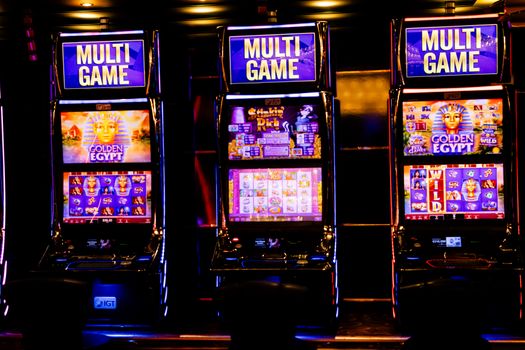
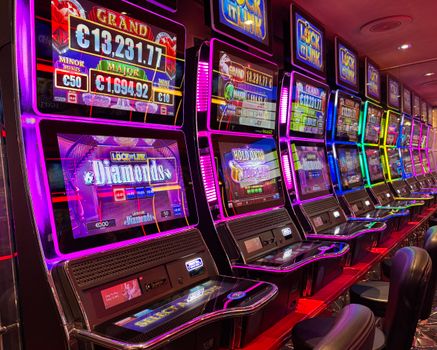
Modern gambling machines are designed to exploit another brain trick: the “near miss.” Slot machines frequently display two jackpot symbols and a third that almost lands on the payline. Studies show that near misses activate the brain’s reward circuitry almost as strongly as actual wins.
A 2013 study in the journal $1 found that near misses encourage players to keep betting, believing that a win is just around the corner. This effect is so powerful that “losses disguised as wins” (small payouts that are less than the original bet but accompanied by celebratory sounds and lights) can lead to increased gambling, as players focus on the positive cues rather than their net loss.
Breaking the Spell: Understanding and Managing Gambling Biases
Recognizing these brain tricks isn’t just an academic exercise—it can help protect you or someone you care about from falling into gambling traps. Here are some practical steps to counteract these cognitive biases:
- Set strict limits on time and money spent gambling. - Remind yourself that each outcome is independent; there are no “due” wins. - Track your wins and losses objectively to offset confirmation bias. - Avoid rituals and superstitions—acknowledge they have no impact on random events. - Learn about the odds and house edge for each game you play.According to the National Council on Problem Gambling, over 2 million adults in the United States meet criteria for severe gambling problems, and up to 6 million are at risk. Understanding the psychology and neuroscience behind gambling luck is a powerful first step toward responsible play.
Final Thoughts on How Our Brain Tricks Us into Believing in Gambling Luck
Gambling taps into some of the deepest, oldest circuits in our brain—those that evolved to help us survive by seeking rewards and spotting patterns. In the modern world, these same mechanisms can lead us astray, making us see luck where there is only chance, and control where there is only randomness. By understanding the cognitive biases, neurological responses, and emotional triggers that shape our beliefs about gambling luck, we can make more informed decisions, protect ourselves from harm, and enjoy games of chance for what they really are: unpredictable entertainment.