The Probability Reality: Unraveling the Myth of Casino Luck
Every time you walk into a casino, you’re greeted by the cacophony of slot machines, spinning roulette wheels, and the buzz of hopeful gamblers. There’s a palpable sense of excitement, built on the age-old belief that anyone could get lucky. But is “casino luck” a real phenomenon, or is it just a myth cleverly woven into the fabric of gambling culture? To truly understand what’s at play, we need to dive beyond anecdotes and superstitions, and examine the hard truth: probability. In this article, we’ll unravel the myth of casino luck by exploring the mathematics behind games of chance, the design of casino games, and the psychological traps that keep the illusion of luck alive.
The Mathematics of Casino Games: Where Probability Reigns Supreme
At the heart of every casino game lies a mathematical formula, carefully engineered to favor the house. This isn’t a secret—casinos are businesses, and their survival depends on maintaining a statistical edge known as the “house advantage” or “house edge.”
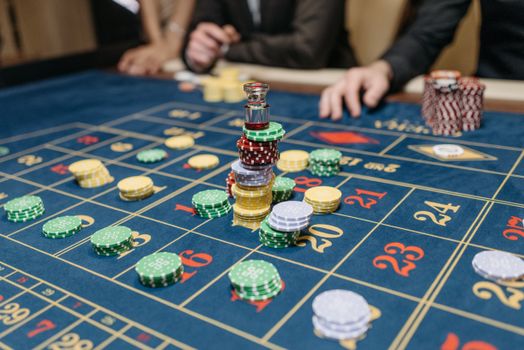
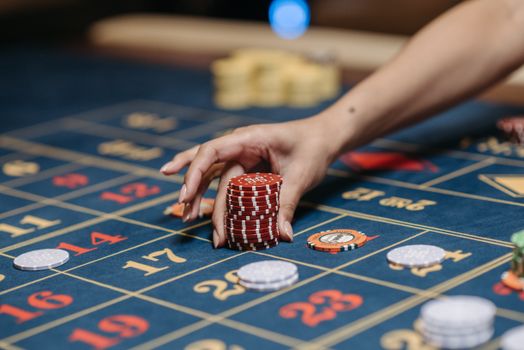
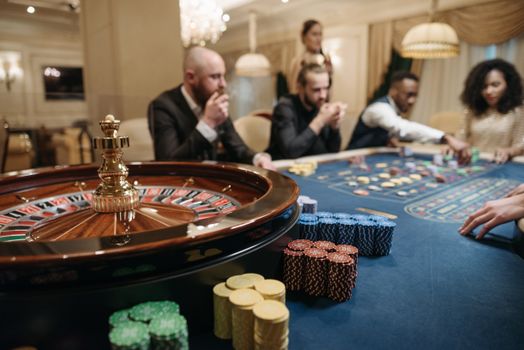
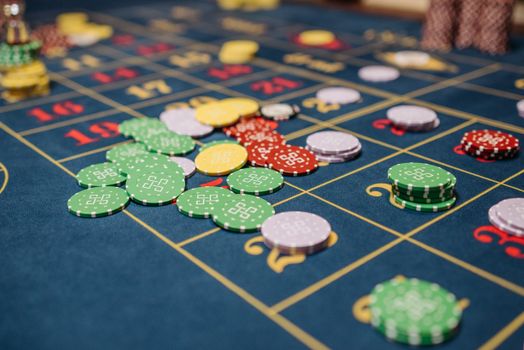
For example, in American roulette, the wheel features 38 pockets: numbers 1-36, plus 0 and 00. A bet on a single number pays 35 to 1, but the actual odds of winning are 1 in 38, or about 2.63%. The house edge for this game is approximately 5.26%. Over thousands of spins, the casino will consistently retain this percentage.
.png)
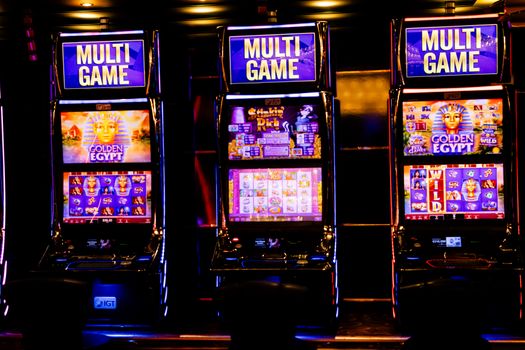
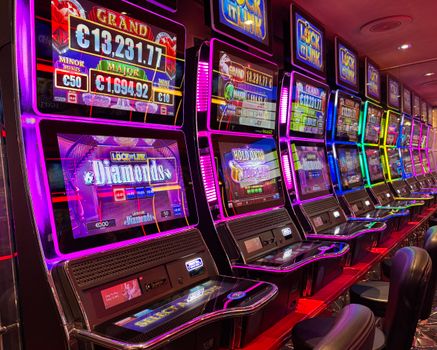
Slot machines, the most popular casino game, have payout percentages (Return to Player, or RTP) that typically range between 85% and 98%. If a slot machine has an RTP of 95%, it means that over millions of spins, it will return $95 for every $100 wagered—yet there’s no guarantee that any single player will see this average.
Let’s compare a few common casino games and their typical house edges:
| Game | House Edge (%) | Player Odds |
|---|---|---|
| American Roulette | 5.26 | 2.63% (single number bet) |
| European Roulette | 2.70 | 2.70% (single number bet) |
| Blackjack (optimal strategy) | 0.5 - 1.5 | ~49.5% (even money bets) |
| Slot Machines | 2 - 15 | Varies by machine |
| Baccarat (banker bet) | 1.06 | ~49.3% |
The numbers are clear: luck may determine the outcome of any single spin or hand, but over time, probability ensures the house always wins.
The Myth of “Hot” and “Cold” Streaks: Understanding Randomness
One of the most persistent myths in gambling is the notion of “hot” and “cold” streaks—periods where a player seems to be unusually lucky or unlucky. This belief is rooted in a misunderstanding of randomness and probability.
Statistically, each event in a fair game is independent. For example, if a roulette wheel lands on red five times in a row, the odds of it landing on red or black on the next spin remain exactly the same (close to 47.4% for red or black in European roulette). The wheel has no memory; past outcomes do not influence future results. This is known as the “Gambler’s Fallacy”—the false belief that deviations from expected behavior are corrected in the short term.
A study published in the journal "Nature Human Behaviour" in 2017 found that people are naturally inclined to perceive patterns in random sequences, a cognitive bias known as “apophenia.” This is why many gamblers believe in luck streaks, even though statistics say otherwise.
How Casinos Harness Probability to Ensure Profit
Casinos do not rely on luck to make money; they rely on the law of large numbers and the predictable nature of probability. Over thousands or millions of plays, the mathematical edge built into each game guarantees profitability.
For instance, in 2022, the Nevada Gaming Control Board reported that statewide casinos collected $14.8 billion in gaming revenue. Slot machines alone accounted for $9.5 billion—testimony to the power of probability over time.
Casinos also design their games and environments to exploit probability in subtle ways: - Slot machines use random number generators (RNGs) to produce unpredictable results, but the payout percentages are set by software. - Table games like blackjack and baccarat have rules crafted to ensure the house retains a small but steady edge, even when players use optimal strategy. - Progressive jackpots lure players with the promise of life-changing wins, but the odds of hitting them are often less than one in several million.These mechanisms ensure that, while individual players may experience short-term wins or losses, the overall flow of money steadily favors the casino.
Chasing Luck: The Psychological Allure and Its Consequences
Despite the hard evidence, the myth of casino luck persists. Why? The answer lies in human psychology.
Near-misses, where players come tantalizingly close to a big win, can actually increase motivation to keep playing. Research from the University of Cambridge in 2009 demonstrated that near-misses activate the same brain regions as actual wins, encouraging continued gambling.
Superstitions, such as lucky charms or rituals, also play a role. According to a 2021 survey by the American Gaming Association, 29% of frequent casino visitors admitted to having gambling rituals or superstitions. These behaviors give players a false sense of control in an environment governed entirely by probability.
The consequences can be severe. The National Council on Problem Gambling estimates that 2 million U.S. adults (about 1% of the population) meet criteria for severe gambling problems, and another 4-6 million are considered to have mild or moderate gambling problems. Many of these individuals are driven by the belief that their “luck” will eventually turn around.
Skill Versus Luck: When Players Can Shift the Odds
It’s important to distinguish between games of pure chance—like slot machines and roulette—and games that allow for skillful play, such as poker or blackjack.
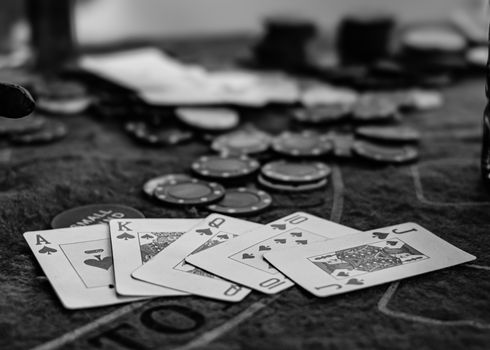
In poker, while luck influences individual hands, long-term success depends on skill, strategy, and psychology. Professional poker players use probability calculations, bluffing techniques, and game theory to gain an edge over their opponents.
Blackjack is unique among casino games in that players can reduce the house edge through skillful play and card counting. With perfect basic strategy, the house edge can be as low as 0.5%. However, casinos have instituted countermeasures—like multiple decks and frequent shuffling—to protect their advantage.
For the vast majority of casino games, however, skill has little or no impact on the outcome. Most players are at the mercy of probability, not luck.
The Reality Check: Accepting the Rule of Probability in Casinos
The enduring myth of casino luck is fueled by a combination of hope, misperception, and clever casino design. Yet the underlying reality is simple: probability, not luck, governs the outcome of every game. Over time, the house edge ensures that casinos make a profit, regardless of individual streaks or superstitions.
For players, understanding this reality is crucial. Gambling should be viewed as entertainment, not as a path to riches or a test of luck. By recognizing the role of probability, players can set realistic expectations, manage their bankrolls responsibly, and avoid the psychological traps that lead to problem gambling.
The next time you hear someone boast about their “lucky streak” at the casino, remember: probability is the real dealer at every table.