Gambling has been a human pastime for centuries, fueled by excitement, risk, and the tantalizing possibility of a big win. Yet, beneath the spinning reels and shuffled cards, there’s a hidden force shaping every bet and every decision: cognitive bias. These mental shortcuts, evolved to help us navigate a complex world, often lead us astray in the high-stakes environment of gambling. Understanding how cognitive bias impacts gambling decisions isn’t just an academic exercise—it’s essential for anyone eager to recognize why we make the choices we do at the gaming table.
The Psychology Behind Cognitive Bias in Gambling
Cognitive biases are systematic errors in thinking that influence the decisions and judgments people make. In gambling, these biases can cloud judgment, distort perception of odds, and fuel risk-taking behavior. The allure of gambling is not just about taking chances, but also about how our minds interpret probabilities, wins, and losses.
For instance, Daniel Kahneman and Amos Tversky’s pioneering research in the 1970s revealed that people consistently misjudge probabilities and outcomes due to cognitive biases. Their work led to the development of Prospect Theory, which explains how people value gains and losses differently, often leading to irrational decisions—especially in situations involving risk, such as gambling.
.png)
According to a study published in the Journal of Gambling Studies, approximately 80% of gamblers display at least one cognitive bias while betting. These biases can manifest in various forms, from overestimating the likelihood of a win to chasing losses long after it’s rational to stop.
Common Cognitive Biases That Influence Gambling Decisions
There are dozens of cognitive biases, but some are particularly influential in gambling scenarios. Here are four of the most impactful:
1. $1 The belief that past outcomes affect future probabilities. For example, if a roulette wheel lands on red five times in a row, many believe black is "due" next. In reality, each spin is independent—yet this fallacy drives countless betting decisions. 2. $1 This occurs when gamblers seek out information that supports their existing beliefs and ignore evidence to the contrary. For example, a player may remember the one time they won big on a slot machine, while forgetting all the times they lost. 3. $1 People tend to overestimate the likelihood of events based on how easily examples come to mind. A media story about a massive lottery win can make such an event seem far more likely than it actually is. 4. $1 According to Prospect Theory, people feel the pain of losses more acutely than the pleasure of equivalent gains. This can lead to "chasing losses," where gamblers continue betting in an attempt to recover previous losses, often resulting in even greater losses.These biases are not just academic curiosities—they translate into real behaviors at the casino, online, and in informal betting environments.
Real-World Examples: How Biases Shape Gambling Outcomes
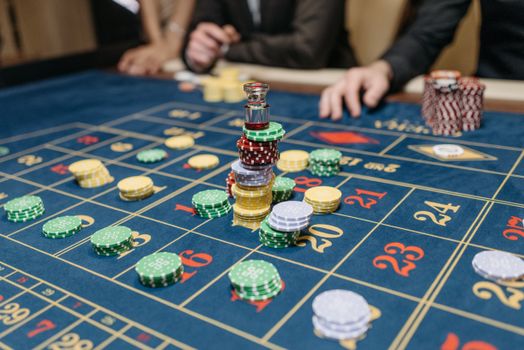
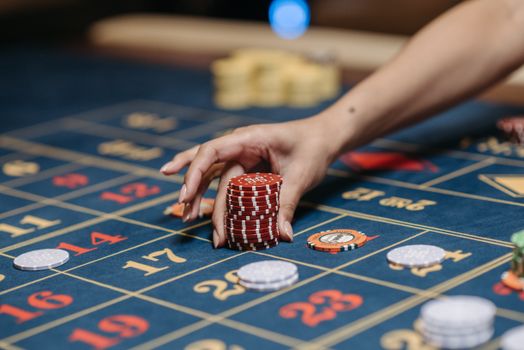
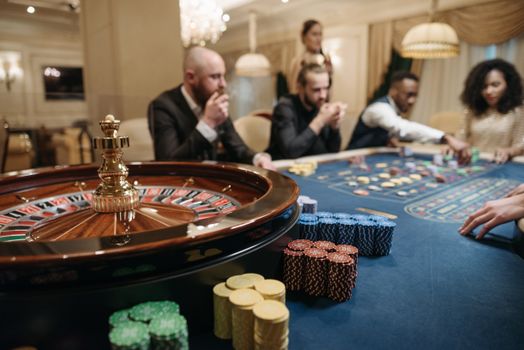
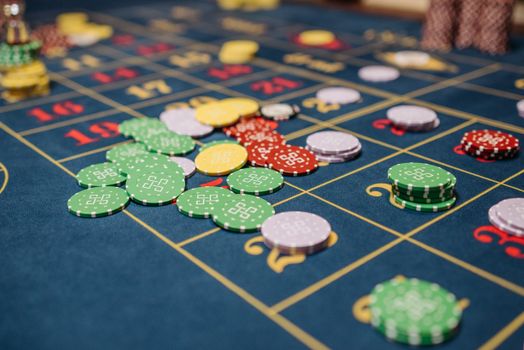
To see these biases in action, consider the story of the Monte Carlo Casino in 1913. During a game of roulette, the ball landed on black 26 times in a row—a highly improbable sequence. As the streak continued, gamblers bet millions on red, convinced that a red outcome was inevitable. Yet, each spin was independent, and the fallacy led to enormous financial losses.
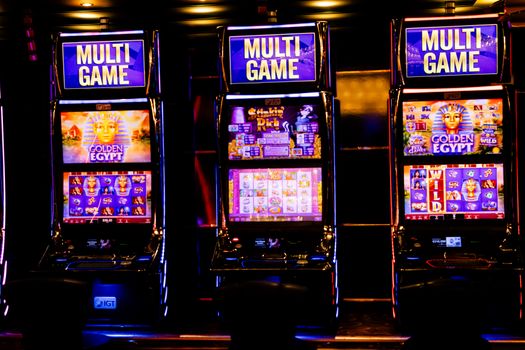
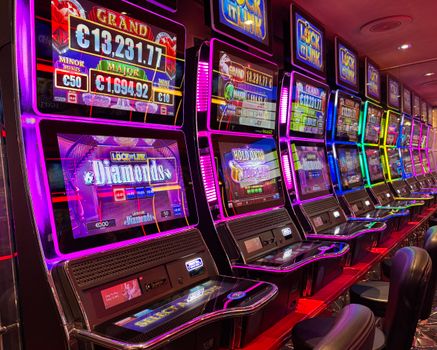
Modern casinos and online platforms often leverage these biases, intentionally or not. Slot machines, for instance, are designed to maximize the availability heuristic by highlighting big wins with flashing lights and sounds, making them more memorable. A 2019 survey by the UK Gambling Commission found that 27% of regular slot machine players believed they could "feel when a machine is ready to pay out," a classic example of the illusion of control and confirmation bias at work.
Even sports betting is rife with cognitive bias. Fans often overestimate their team’s chances of winning, leading to higher bets and riskier behavior—a phenomenon known as "fan bias." In 2022, the American Gaming Association reported that sports betting revenue in the US topped $7.5 billion, with much of it driven by emotionally charged, bias-influenced wagers.
Comparing the Impact: Cognitive Bias vs. Rational Decision-Making
To understand how cognitive biases distort gambling choices, it’s helpful to compare them with rational decision-making based on mathematical odds and probabilities.
| Aspect | Cognitive Bias-Based Decisions | Rational, Probability-Based Decisions |
|---|---|---|
| Approach to Losses | Chase losses to recover them (loss aversion) | Accept losses as part of random chance |
| Assessment of Odds | Overestimate chances after a losing streak (gambler’s fallacy) | Recognize each event is independent and odds remain consistent |
| Betting Behavior | Increase bets after near-wins or “hot streaks” (illusion of control) | Bet sizes remain consistent, based on bankroll and true odds |
| Information Processing | Focus on wins, ignore losses (confirmation bias) | Evaluate all outcomes objectively |
| Emotional Influence | Driven by excitement, regret, or hope | Guided by logic and statistical analysis |
This comparison highlights why gamblers often act against their own best interests. According to research published in Frontiers in Psychology, individuals relying on rational decision-making are more likely to walk away with smaller losses and experience less emotional distress than those dominated by bias-driven thinking.
How Casinos and Online Platforms Exploit Cognitive Bias
Casinos are not just venues for games of chance—they are meticulously engineered environments designed to maximize play time and profitability by tapping into cognitive biases.
1. $1 Bright lights, music, and celebratory noises all play on the availability heuristic, making wins feel frequent and attainable. 2. $1 Slot machines are programmed to show near-wins, which trigger the brain’s reward centers almost as strongly as actual wins, fueling the gambler’s fallacy and increasing play time. 3. $1 Loyalty programs and bonuses are structured to exploit loss aversion and the sunk cost fallacy, keeping players invested. 4. $1 Casinos are designed without clocks or windows, disorienting patrons and encouraging longer sessions—a subtle nudge that leverages our tendency to lose track of time under certain cognitive states.A 2020 study by the University of Nevada found that slot machine players who experienced near-misses played up to 30% longer than those who did not—clear evidence that cognitive bias can directly impact gambling duration and expenditure.
Can Awareness of Biases Help Gamblers Make Better Decisions?
Given the powerful role cognitive biases play in gambling, can greater awareness help individuals make smarter choices? The evidence suggests it can—at least to a degree.
A 2021 meta-analysis published in the International Gambling Studies journal found that educational interventions, such as workshops and informational campaigns, reduced risky gambling behaviors by up to 22% among participants. These programs typically taught players to recognize common biases and apply probabilistic thinking.
However, knowledge alone is not always enough. Cognitive biases are deeply rooted and can operate unconsciously. While education can mitigate some effects, emotional and environmental triggers still exert a strong pull. Responsible gambling tools, such as self-imposed limits and cooling-off periods, complement awareness by providing external checks on behavior.
The rise of artificial intelligence in online gambling platforms also offers new opportunities—and challenges. AI can be used to identify problematic betting patterns and intervene, but it can also be deployed to personalize offers and game experiences that may exploit individual biases even more effectively.
Final Thoughts: Navigating Gambling Decisions in a Biased World
Cognitive biases are an invisible but influential force in gambling, shaping decisions from the smallest wager to the biggest bet. By understanding how biases like the gambler’s fallacy, confirmation bias, and loss aversion work, individuals can begin to recognize when their judgment is being clouded and take steps to counteract these tendencies.
While casinos and online platforms will likely continue to design experiences that exploit these mental shortcuts, education and self-awareness remain powerful tools. Ultimately, the best defense against the subtle influence of cognitive bias is a combination of knowledge, self-discipline, and the willingness to walk away when the odds—or your own mind—are no longer in your favor.