Title: Can Luck Be Learned? Unraveling the Gambler's Conundrum
The question of whether luck can be learned has long captivated thinkers from various disciplines, including philosophers, gamblers, and scientists. Central to many aspects of life, luck is especially significant in gambling, where it is often credited for wins and losses. This exploration delves into whether it's possible to influence luck and how such a possibility could reshape gambling behaviors.
Understanding Luck vs. Probability
.png)
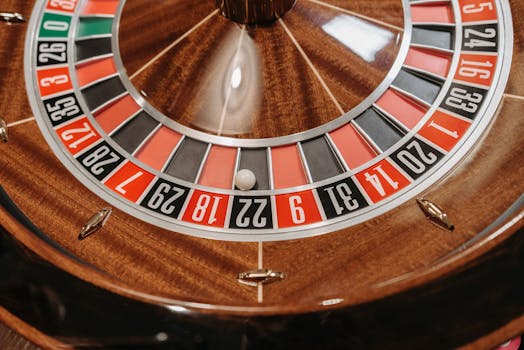
Luck is typically viewed as a fortunate but random alignment of events. In contrast, probability is a quantifiable likelihood of a specific event occurring, which is a fundamental aspect of gambling. Each game in a casino has set probabilities that dictate the odds of winning or losing. While mastering these probabilities may seem like controlling luck, it is actually a mathematical determination.
The Role of Superstition and Psychological Comfort
Many gamblers adopt certain rituals, carry lucky charms, or choose specific times to gamble in an attempt to sway luck in their favor. Although these practices may provide psychological comfort, they do not alter the fixed probabilities of gambling outcomes. These actions are rooted in superstition rather than any real ability to influence random events.
Illusion of Control in Gambling
The illusion of control is a psychological bias where individuals believe they can influence purely chance-determined outcomes. This misperception can lead gamblers to overestimate their control over gambling events, prompting increased betting and risk-taking. Recognizing and understanding this illusion is critical for making rational gambling decisions.
Skill-Based Gambling: A Venue for Influence
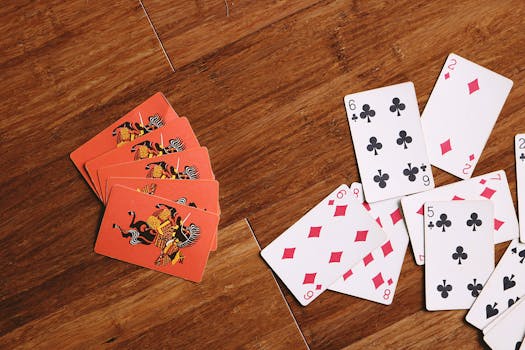
Unlike purely chance-based games, skill-based gambling games such as poker and blackjack allow players to employ strategies that genuinely affect the game's outcome. Here, players can learn and apply strategic skills that enhance their chances of winning, which is a form of influencing luck through informed decision-making.
Positive Psychology and the Perception of Luck
Recent studies in positive psychology suggest that adopting a lucky mindset can lead individuals to seize more opportunities, endure failures with resilience, and notice potential advantages more readily. These behaviors can create what appears to be a luckier existence. In gambling, maintaining a positive mindset can aid in calm decision-making, potentially improving game outcomes.
Randomness and Its Impenetrable Role in Gambling
Despite strategies and mindsets, the inherent randomness of gambling ensures that each game outcome is independent and unpredictable. This fundamental nature of gambling games underscores that no amount of skill or psychological readiness can alter some outcomes, which are governed by chance.
Conclusion: Refining Our Approach to Gambling and Luck
While mystical manipulation of luck isn't possible, gamblers can refine their approach by developing strategic skills, recognizing psychological biases, and fostering a positive outlook. These elements can enhance one's perception of being lucky and improve outcomes in skill-based games. Ultimately, while the essence of luck remains elusive, our approach to gambling and how we perceive and react to chance events can be strategically enhanced.