Is a Casino Win Just Luck or a Well-Played Game?
When you enter the bustling world of a casino, you might find yourself wondering if the outcome of the games you play is purely down to luck, or if there are strategies and skills that can tilt the odds in your favor. To navigate the flashy yet confusing terrain of casino games, it's essential to understand the roles both luck and skill play in gambling environments.
The Role of Luck in Casino Games
.png)
Most casino games are fundamentally designed as games of chance. This means that their outcomes rely heavily on random factors. Popular games such as slot machines, roulette, and craps are prime examples where luck predominates. Slot machines, for instance, utilize random number generators (RNGs) that ensure each spin is completely independent from the last, nullifying the possibility of predicting an outcome based on previous events.
The Influence of Strategy and Skill
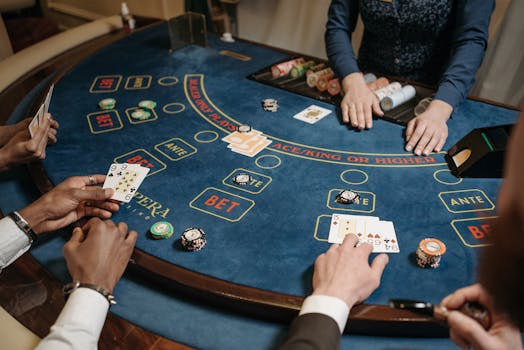
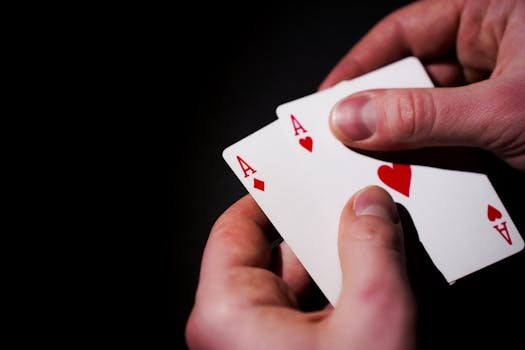
While many casino games hinge on luck, others allow the integration of skills and strategies that can significantly affect the outcomes. Blackjack and poker are notable examples. In blackjack, employing a basic strategy—like knowing when to hit, stand, double down, or split—can effectively reduce the house edge. Poker, meanwhile, demands skills in bluffing, reading opponents, and making strategic bets, all of which can sway the game in favor of the more skilled player.
Advantages and Disadvantages of Luck vs. Skill
Luck-based games: The primary advantage is their simplicity. Anyone can play without prior knowledge or experience, making these games universally accessible. The main drawback, however, is that the odds are typically in the house’s favor, leaving players with minimal control over the outcome.
Skill-based games: These games offer the potential to reduce the house edge through skill, potentially increasing the probability of winning over the long term. However, mastering these games takes time and effort, and luck still plays a role, particularly in the cards dealt and the unpredictable actions of other players.
Practical Examples
- Blackjack: A player who masters and applies basic strategy can significantly decrease the house edge compared to someone playing based solely on gut feelings.
- Poker: A proficient poker player uses a deep understanding of the game mechanics and human psychology to make decisions, such as when to fold or call an opponent’s bluff, which can decisively influence the game's outcome.
Conclusion
While luck remains a pivotal element in many casino games, skill and strategic play can profoundly influence the outcomes of certain games. For those who relish more than just the thrill of chance, learning and practicing game strategies for skill-based games is advisable. No matter the approach—whether relying on luck or honing skills—practicing responsible gambling is key. Always set limits and play within your means, enjoying the entertainment aspect of casino games without risking financial security. Whether you’re in it for fun or profit, understanding the balance of luck and skill can enhance your overall casino experience.