Casinos have long woven tales of miraculous wins and lucky streaks, painting a picture of the “lucky gambler” who walks through the doors and leaves with life-changing riches. This myth is not just a product of folklore or gambler’s tales—it is actively cultivated by casinos through clever marketing, strategic design, and calculated psychology. But how do casinos feed this enduring myth, and to what effect? Understanding these mechanisms not only demystifies the gambling experience but also empowers individuals to make more informed choices.
The Allure of the Lucky Gambler: How the Myth Took Hold
The concept of the lucky gambler is deeply embedded in casino culture. From the earliest gambling houses in 17th-century Venice to modern Las Vegas resorts, stories of ordinary people striking it rich have lured millions to try their luck. According to the American Gaming Association, more than 50 million Americans visited a casino in 2023, many inspired by the hope of a lucky break.
Casinos capitalize on this hope by disseminating stories of big winners. Posters of jackpot recipients, ringing bells, and public celebrations of wins are common sights on gambling floors. By spotlighting these rare events, casinos create an illusion of attainability—suggesting that anyone could be next. In reality, the odds rarely favor the player. For example, the chance of hitting a major slot machine jackpot can be as low as 1 in 50 million, yet the myth persists.
.png)
Media, Marketing, and the Creation of Casino Legends
Media and marketing are powerful tools in perpetuating the legend of the lucky gambler. Casino advertisements routinely show jubilant winners holding oversized checks, while movies and television shows often feature characters who defy the odds with a single stroke of luck.
These narratives are not accidental. Casinos invest heavily in advertising campaigns that emphasize lucky wins over statistical reality. In 2019, the casino industry in the U.S. spent over $1.2 billion on marketing, much of it focused on “big win” stories. Billboards, social media posts, and even casino loyalty emails are designed to keep lucky winners in the spotlight, minimizing attention on losses or the role of probability.
Additionally, casinos carefully curate their public relations. Major wins are often announced with fanfare, while losses and problem gambling are rarely publicized. This selective storytelling keeps the “lucky gambler” myth alive and encourages repeat visits.
Architecture and Atmosphere: Engineering the Feeling of Luck
Casinos are meticulously designed to foster an environment where luck feels tangible. Everything from the layout of the gaming floor to the lighting and sound design is engineered to immerse players in a world of possibility and excitement.
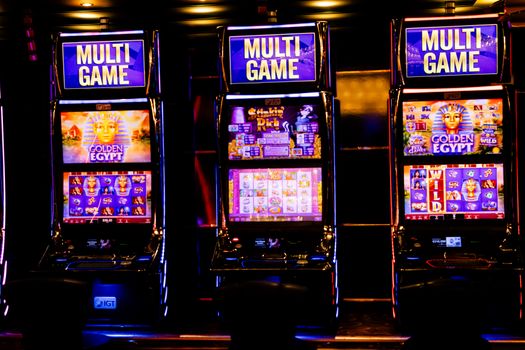
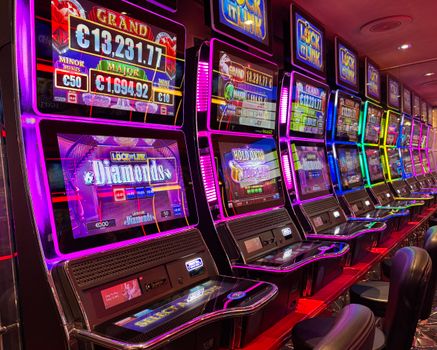
For example, the lack of clocks and windows in most casinos creates a sense of timelessness, allowing players to lose track of time and remain engaged in the hope that their luck is about to turn. Casino floors are designed to maximize exposure to winning moments—slot machines with flashing lights and celebratory sounds, for instance, are placed in high-traffic areas to showcase wins, no matter how small.
Studies show that these environmental cues significantly affect player behavior. According to a 2021 study published in the Journal of Gambling Studies, ambient casino sounds and lights increase gamblers’ confidence in their own luck by up to 23%. This psychological manipulation subtly reinforces the myth that luck is just around the corner.
Reward Systems and Personalization: Making Luck Feel Personal
Modern casinos use sophisticated reward systems to cultivate the illusion of personal luck. Players are often enrolled in loyalty programs that track their activity and offer personalized rewards, from free play credits to hotel stays. These perks are strategically timed to coincide with periods of play, making players feel “chosen” or especially lucky.
Casinos also use data analytics to identify and target players who are on a losing streak, offering small wins or “near misses” to keep them engaged. Slot machines, for example, are programmed to deliver occasional near wins—a phenomenon where symbols line up almost perfectly—to trigger a rush of excitement. Research from the University of Waterloo found that near misses activate the same brain regions as actual wins, increasing the urge to continue playing.
The table below compares key elements of traditional and modern casino tactics for feeding the lucky gambler myth:
| Strategy | Traditional Casinos | Modern Casinos |
|---|---|---|
| Promotion of Winners | Public celebrations, wall of fame | Social media, targeted emails, online leaderboards |
| Environmental Design | Bell ringing, coin sounds | Digital screens, personalized sound effects |
| Reward Systems | Free drinks, comps | Loyalty points, personalized offers, bonus rounds |
| Psychological Triggers | Celebrating jackpots | Near-miss programming, data-driven engagement |
Selective Visibility: Why Losses Stay Hidden
While wins are loudly celebrated, losses—by far the more common outcome—are kept largely invisible. The vast majority of casino visitors leave with less money than they arrived with; the house edge guarantees it. For example, the average slot machine has a house edge of 5-10%, meaning that over time, the casino retains 5-10% of all money wagered.
Despite this, you rarely hear announcements about the typical player’s experience. There are no public boards listing the names of those who have lost, nor are there celebrations of those who walked away empty-handed. This selective visibility keeps attention focused on the myth of the lucky gambler, rather than the statistical reality.
Casinos also employ subtle psychological techniques to downplay losses. Chips and digital credits replace cash, making money feel less tangible and losses less painful. Complimentary perks, such as free drinks or concert tickets, can soften the blow of losing, making players more likely to return.
The Impact: From Hope to Harm
The myth of the lucky gambler is not without consequences. While most casino-goers see gambling as a form of entertainment, the constant reinforcement of lucky wins can distort perceptions of risk and reward. According to the National Council on Problem Gambling, approximately 2 million U.S. adults (about 1% of the population) meet the criteria for severe gambling addiction, while another 4-6 million are considered to have mild or moderate gambling problems.
The myth can lead people to overestimate their chances, chase losses, or believe that persistence will eventually result in a win. This phenomenon, known as the “gambler’s fallacy,” is exacerbated by the constant parade of winners and the psychological tactics described above.
Public health campaigns and responsible gambling initiatives have started to counteract these myths, but the lure of the lucky gambler remains powerful. In 2022, U.S. casinos generated a record $60.4 billion in gaming revenue—a testament to the effectiveness of the myth in attracting and retaining players.
Understanding the Myth: Making Informed Choices in Casinos
Casinos invest heavily in nurturing the myth of the lucky gambler, blending marketing, architecture, and psychology to create an environment where luck feels ever-present. While these tactics can make gambling exciting and immersive, it’s important for players to recognize the difference between myth and reality.
Awareness is key. By understanding how casinos feed the myth of luck and recognizing the statistical realities behind the games, individuals can make more informed decisions and enjoy gambling as a form of entertainment rather than a surefire way to riches. Whether you play for fun or in pursuit of that rare win, knowing the odds—and the tactics at play—can help keep expectations grounded and experiences positive.