Bluffing in Poker: Is It Really Just Luck or Is There More to the Art?
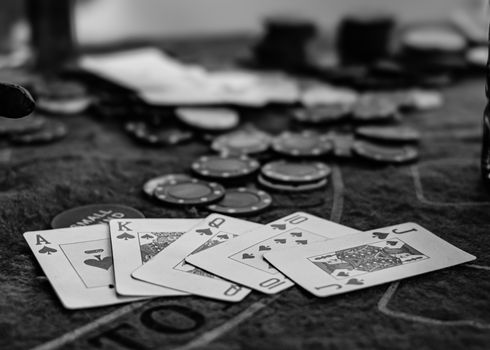
Few aspects of poker are as iconic—or as misunderstood—as the art of bluffing. Popular culture often depicts poker as a game of steely nerves and bold bluffs, where a well-timed lie can win millions. But is successful bluffing simply a matter of luck? Or is there a deeper strategy at play, combining psychology, probability, and skill? In this deep dive, we unravel the truth behind bluffing in poker, separating Hollywood myth from real-world mastery, and examine whether luck is truly at the heart of this fascinating tactic.
The Psychology Behind Bluffing: Mind Games at the Poker Table
At its core, bluffing is a psychological battle—a contest of wits where players try to convince their opponents they hold a stronger or weaker hand than they actually do. According to a study from the University of Alberta, skilled players bluff approximately 12% of the time in Texas Hold’em, showing that bluffing is a calculated, not a constant, maneuver.
.png)
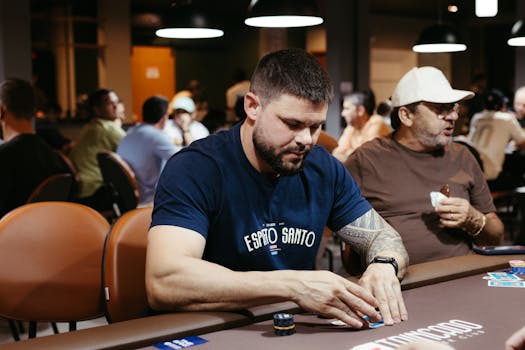
Bluffing capitalizes on human tendencies like doubt, fear, and overconfidence. The ability to "read" opponents—spotting nervous tics, betting patterns, or changes in posture—gives experienced players a significant edge. For example, professional player Phil Ivey is renowned not just for bold bluffs but for reading his rivals’ reactions with uncanny accuracy.
It's not just facial expressions or physical tells. Online poker, where opponents are invisible, relies heavily on betting patterns, timing, and frequency. A 2020 analysis found that successful online bluffers adjust their strategies by tracking opponents' previous actions, folding rates, and reaction times.
So, while luck plays a role in which cards you’re dealt, the decision to bluff—and the execution—relies on psychological insight and opponent profiling.
Probability, Math, and the Science of Bluffing
Poker is a game of incomplete information. The best players use probability and game theory to decide when a bluff is mathematically justified. A classic example is the concept of "pot odds"—comparing the current size of the pot to the bet you must call. If the odds of your opponent folding are greater than the risk you’re taking, a bluff can be profitable.
Consider this: In No-Limit Texas Hold’em, a standard bluff needs to succeed around 33% of the time to break even if you bet the size of the pot. This is because you risk losing your bet but win the pot if your opponent folds.
Here’s a simple comparison of when bluffing is mathematically justified versus when it’s pure guesswork:
| Situation | Bluffing Justified? | Reasoning |
|---|---|---|
| Pot is large, opponent likely to fold weak hand | Yes | High risk/reward ratio makes bluff profitable |
| Opponent is a "calling station" (rarely folds) | No | Low chance of success; probability doesn't favor bluff |
| Small pot, many players in the hand | No | Too many opponents increases chance of being called |
| One-on-one, opponent has shown weakness | Yes | Opponent likely to fold, making bluff worthwhile |
This strategic approach is why, at the 2019 World Series of Poker, top players like Daniel Negreanu and Justin Bonomo used carefully calculated bluffs, rather than random risks, to win millions. Their success was not simply luck—it was grounded in game theory and statistical analysis.
Types of Bluffs: When and Why Players Take the Risk
Not all bluffs are created equal. Expert players distinguish between different types of bluffs, each with its own purpose and ideal timing. Understanding these distinctions is crucial to seeing why bluffing is more than a lucky gamble.
1. $1 The player has a weak hand and little chance of improving, relying entirely on opponents folding. This type requires the greatest read on the situation and is least dependent on luck. 2. $1 The player bets or raises with a hand that is currently weak but has potential to improve on future cards (like a flush or straight draw). Here, even if the bluff is called, there’s a chance to win by completing the hand later—a blend of skill and probability. 3. $1 After leading the betting pre-flop, players continue representing strength even if they missed the community cards. This leverages perceived strength based on previous actions. 4. $1 A high-risk move with no chance of improving the hand; relies entirely on convincing others to fold.A study of over 100,000 hands of online poker found that semi-bluffs are used nearly 2.5 times more often than pure bluffs, highlighting the preference for calculated risks over pure luck.
Bluffing Success Rates: What the Numbers Say
While movies showcase dramatic, high-stakes bluffs, real-world statistics paint a more nuanced picture. Bluffing is far from a guaranteed win, and its success depends on multiple variables: table dynamics, player experience, and timing.
According to data from PokerStrategy.com:
- Successful bluffs occur roughly 40-50% of the time at low-stakes online tables. - At higher stakes, where players are more skilled and observant, bluff success rates drop to about 25-35%. - Players who bluff too frequently are caught more often; those who rarely bluff can miss profitable opportunities.One famous example is Chris Moneymaker’s 2003 World Series of Poker win, where a perfectly timed bluff helped him secure victory. However, Moneymaker himself admitted that he only bluffed a handful of times during the entire tournament, relying more on strategic play and reading opponents than on luck alone.
Luck Versus Skill: The Real Balance in Bluffing
So, is bluffing all about luck? While luck certainly determines the cards you receive, the decision to bluff—and the ability to make it profitable—depends far more on skill, timing, and psychological insight. Decades of tournament data, expert analysis, and computer simulations support this conclusion.
For example, the AI program Libratus, which defeated top human players in heads-up No-Limit Hold’em in 2017, didn’t rely on luck. Instead, it used game theory to determine optimal bluffing frequency and adapt to opponents’ tendencies.
Moreover, the Global Poker Index, which ranks players by performance, shows that top-ranked professionals consistently outperform amateurs and casual players year after year. If bluffing were pure luck, such consistency would be impossible.
Can Anyone Learn to Bluff Like a Pro?
Bluffing is not an inborn talent—it’s a skill that can be learned, practiced, and refined. Successful bluffers:
- Analyze opponents’ habits and tendencies - Understand mathematical concepts like pot odds and expected value - Manage their risk by choosing optimal moments - Stay aware of their own betting patterns to avoid predictabilityPoker training sites now offer courses specifically on bluffing, and tracking software can help players review hands to spot missed bluffing opportunities.
For instance, a 2022 survey of online poker coaches found that 78% rank "learning when not to bluff" as equally important as knowing when to do it. This highlights the sophistication of modern bluffing—it’s about selective aggression, not reckless risk.
Final Thoughts: The Art and Science of Poker Bluffing
Bluffing in poker is a blend of art and science. Luck influences the cards, but the decision to bluff—and the ability to do so successfully—relies on psychological acumen, mathematical calculation, and experience. The best players know that bluffing is not about bravado, but about timing, observation, and understanding human behavior.
While a lucky bluff can change a game, consistent winners know when to take the risk and when to fold. In the end, bluffing is less about fortune and more about skillful manipulation of information, perception, and probability.