Gambling, by its very nature, is a dance between chance and choice. For centuries, people have tried to outsmart fate in games of chance, from the spinning roulette wheel in Monte Carlo to the whirring slot machines of Las Vegas. But how much does luck—those unpredictable, uncontrollable forces—shape the decisions we make during a game? And can understanding the influence of luck help gamblers make wiser choices? This article delves deep into how luck affects decision making in gambling, blending psychology, probability, and real-world examples to shed light on this complex relationship.
The Role of Luck in Gambling: Beyond the Odds
At the heart of every gambling game is uncertainty. Whether you’re flipping a coin, drawing a card, or spinning a wheel, outcomes are never guaranteed. Luck is often defined as success or failure apparently brought by chance rather than through one’s own actions. In gambling, this translates to the random factors that determine whether a bet wins or loses, regardless of a player's skill or strategy.
But luck's influence goes beyond mere outcomes; it also shapes the very decisions gamblers make. Several psychological studies highlight how recent wins or losses—perceived as "lucky" or "unlucky" streaks—affect risk tolerance and betting behavior. For example, a 2014 study published in the Journal of Gambling Studies found that after experiencing a streak of wins, gamblers were 26% more likely to make riskier bets, believing their luck would continue. Conversely, after losses, many players either chased their losses or became overly cautious, both of which can lead to suboptimal decisions.
.png)
Psychological Biases: How Luck Warps Perception
Luck's effect on decision making is amplified by powerful psychological biases. Humans are hardwired to look for patterns and assign meaning, even where none exists. This is particularly true in gambling, where randomness is often mistaken for trends or "hot hands."
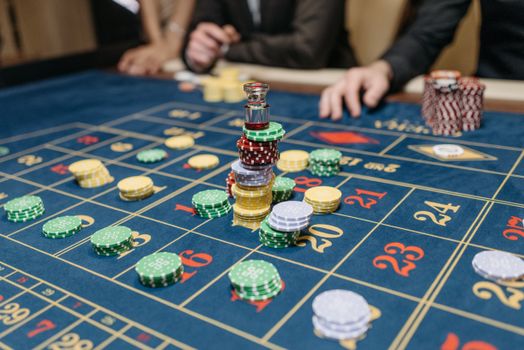
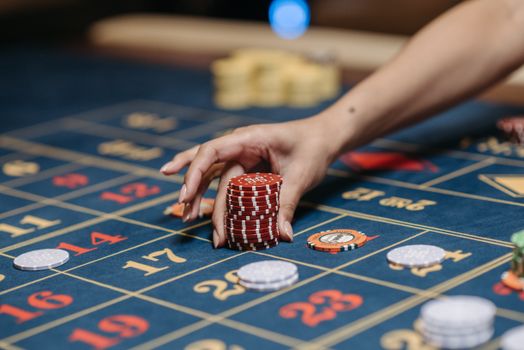
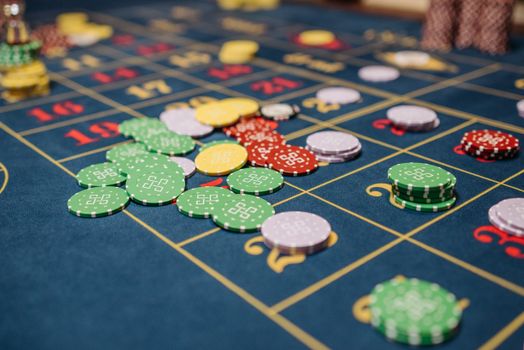
- The Gambler’s Fallacy: One of the most pervasive biases is the gambler’s fallacy—the belief that past random events affect the likelihood of future ones. For example, if a roulette wheel lands on black five times in a row, many believe red is "due" next, despite each spin being independent. This fallacy can lead to poor betting decisions based on imaginary patterns. - Illusion of Control: Another bias is the illusion of control, where players believe their actions can influence luck. In games of pure chance, such as slot machines or lotteries, this belief leads to rituals, lucky charms, or specific ways of pressing buttons. A 2011 survey found that 54% of casino players admitted to having personal "luck rituals" they believed improved their chances. - Near Miss Effect: The near miss effect occurs when a loss comes tantalizingly close to a win, such as getting two matching symbols on a slot machine's payline. This near success can make gamblers feel as if they’re on the verge of a lucky streak, prompting them to keep playing—and often lose more.Luck Versus Skill: How Game Types Affect Decision Making
Not all gambling games are created equal. Some rely purely on luck, while others blend chance with skill. The degree to which luck influences decisions can vary widely between games.
| Game Type | Luck (%) | Skill (%) | Example |
|---|---|---|---|
| Pure Chance | 100 | 0 | Slot Machines, Lottery |
| Mostly Chance | 80 | 20 | Roulette, Baccarat |
| Chance & Skill | 50 | 50 | Poker, Sports Betting |
| Skill Dominant | 10 | 90 | Chess, Competitive eSports |
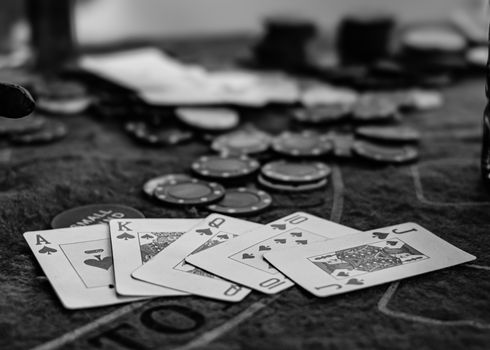
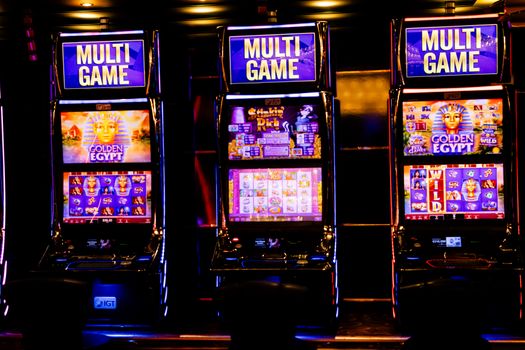
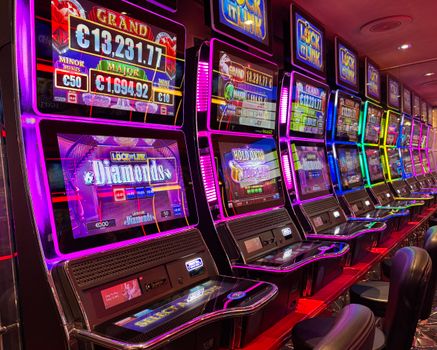
In games of pure chance like slots, every outcome is random, so luck is the sole determinant. Here, decision making is limited to how much and how often to bet, but players often overestimate their ability to influence results. In contrast, poker requires both luck and skill; while you can’t control which cards are dealt, strategic decisions and psychological insight into opponents can tilt the odds in your favor over time.
Interestingly, research shows that the more a game relies on luck, the more players attribute outcomes to fate rather than their own decisions. This external attribution can make losses easier to accept but also encourages riskier behavior, as players feel less responsible for the results.
Luck and Risk-Taking: The Science Behind “Hot” and “Cold” Streaks
The impact of luck on risk-taking is profound. When gamblers perceive themselves as “lucky,” they are more likely to increase bet sizes, try riskier games, or play for longer periods. Conversely, a string of bad luck can lead to desperation, with players doubling bets in an attempt to recover losses—a behavior known as "chasing."
A notable example is the 2017 study by the University of British Columbia, which tracked over 3,000 online gamblers. The researchers found that after a significant win, players increased their average wager by 41% on their next five bets, while those who experienced losses tended to either stop playing or dramatically increase bet amounts to chase lost money.
Casinos are well aware of these tendencies and often use them to their advantage. For instance, slot machines are programmed to deliver occasional small wins or near-misses to keep players engaged, exploiting the psychological impact of perceived luck.
Decision Making Under Uncertainty: Lessons from Behavioral Economics
Behavioral economics provides valuable insights into how people make decisions when luck is involved. Daniel Kahneman and Amos Tversky’s Prospect Theory explains that people value potential losses and gains differently, leading to irrational choices—especially under uncertainty.
For instance, most gamblers are loss-averse; they will go to great lengths to avoid losses, even if it means taking bigger risks. This is why, after a losing streak, some players bet more aggressively, hoping that a change in luck will restore their balance.
Moreover, the concept of "expected value" (EV) is often misunderstood. Expected value is the average amount a player can expect to win or lose per bet if they played the same wager an infinite number of times. Yet, because luck can dramatically sway short-term results, many players ignore the long-term math and focus on recent outcomes, making impulsive decisions based on perceived luck rather than statistical reality.
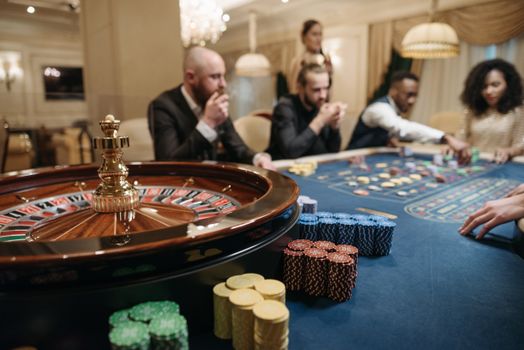
A practical example: In roulette, the expected value of a single-number bet is -5.26% (due to the house edge), but a lucky player who wins early may believe they have a “system” or are on a hot streak, leading to riskier bets and, often, bigger losses over time.
Luck, Superstition, and Emotional Decision Making
Luck and superstition go hand in hand in the gambling world. The belief in lucky numbers, rituals, or even lucky seats is prevalent across cultures. According to a 2019 YouGov poll, 38% of gamblers said they had a lucky item they brought to casinos, and 29% chose specific days or times to play, believing it would improve their odds.
Emotional decision making is another crucial factor. Winning due to luck can create a surge of dopamine, the brain’s “reward chemical,” reinforcing risky behavior. Similarly, losing can lead to frustration or even despair, clouding judgment and leading to impulsive bets.
Understanding the emotional rollercoaster that luck brings can help gamblers recognize when their decisions are being driven by feelings rather than logic. Savvy players learn to separate the thrill of a lucky win from the reality of odds, making more rational choices that preserve their bankrolls in the long run.
Strategies to Counteract the Sway of Luck in Gambling Decisions
While luck will always play a role in gambling, recognizing its influence is the first step to making smarter decisions. Here are some strategies to keep luck in perspective:
- Set Limits: Decide in advance how much you are willing to lose, and stick to it, regardless of winning or losing streaks. - Focus on the Long Term: Understand the house edge and expected value. Over time, luck evens out, but the math remains constant. - Avoid Chasing Losses: Accept that losses are part of gambling and avoid the temptation to recover them by making riskier bets. - Be Aware of Biases: Recognize when psychological biases like the gambler’s fallacy or illusion of control are influencing your choices. - Take Breaks: Stepping away after a big win or loss can help clear your mind and reset your decision-making process.Final Thoughts on How Luck Influences Decision Making in Gambling
Luck is an inseparable part of gambling, coloring every decision and outcome with a shade of unpredictability. While skill, strategy, and knowledge can improve your odds in certain games, luck remains the wild card that can turn fortunes in an instant—or dash them just as quickly. By understanding how luck influences decision making—through psychological biases, emotional highs and lows, and the nature of different games—players can approach gambling with a clearer perspective and make choices that are more rational, responsible, and ultimately, more enjoyable.