Why We Believe in Luck: Exploring Cognitive Biases in Gambling
Every year, millions of people across the world test their fortunes at casinos, lotteries, and sports betting sites. While a few may walk away with substantial winnings, most walk away empty-handed — yet they return, hoping their “luck” will change. What drives this persistent belief in luck, even when the odds so clearly favor the house? The answer lies deep within our minds: cognitive biases. These subtle, often unconscious mental shortcuts shape our perception of chance, risk, and reward, fueling the belief that luck can be influenced, predicted, or even “earned.” In this article, we’ll delve into the fascinating psychology behind why we believe in luck, especially in gambling, and how cognitive biases lead us astray.
The Human Fascination with Luck in Gambling
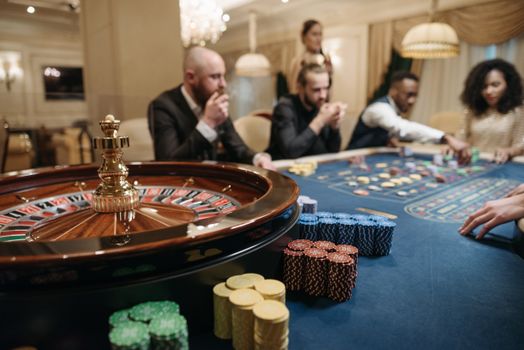
Gambling has been a part of human culture for thousands of years. Ancient Greeks cast lots, Roman soldiers rolled dice, and today’s gamblers spin roulette wheels or play online slots. But why does the concept of luck hold such a powerful allure?
One key reason is that gambling offers an unpredictable mix of hope, excitement, and suspense. When the outcome is uncertain, our brains are hardwired to look for patterns or signs that might tip the odds in our favor — even if none exist. According to a 2019 study published in the Journal of Gambling Studies, over 70% of regular gamblers believe that luck plays a decisive role in their outcomes, despite knowing the games are designed to be random.
.png)
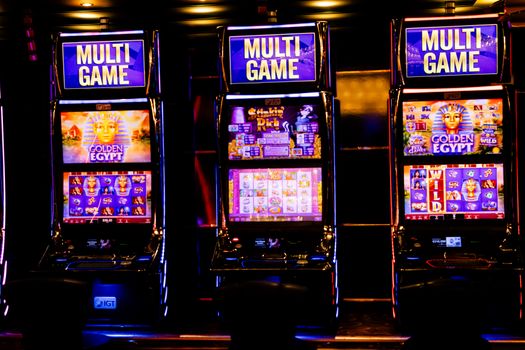
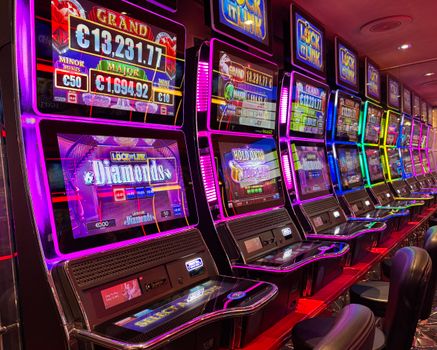
This belief is not just about entertainment; it’s rooted in psychological needs. Luck offers us a sense of agency in situations we can’t control. When a slot machine reels spin, we feel a rush of anticipation, and if we win, it’s easy to attribute the outcome to some special quality or action — “I just felt lucky today!” Over time, these feelings reinforce our attachment to the idea of luck, even in games governed entirely by chance.
Cognitive Biases: The Mental Shortcuts Behind Gambling Beliefs
Cognitive biases are systematic patterns of deviation from rational judgment. They help our brains process information quickly, but often at the expense of accuracy. In gambling, several specific biases play a major role in how we interpret luck and outcomes:
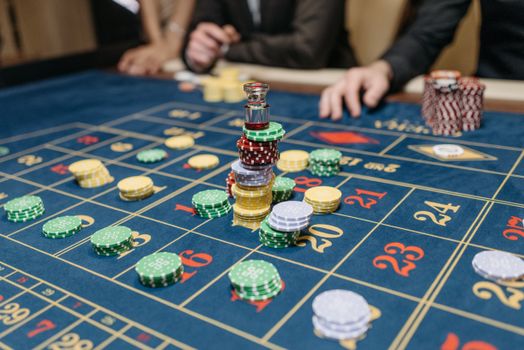
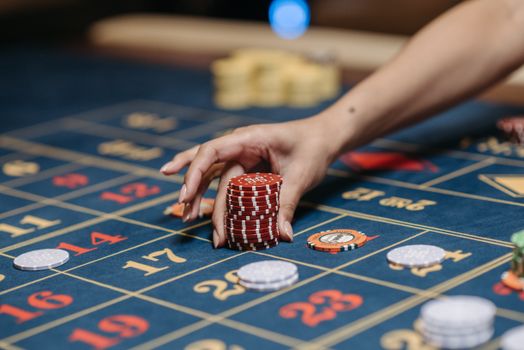
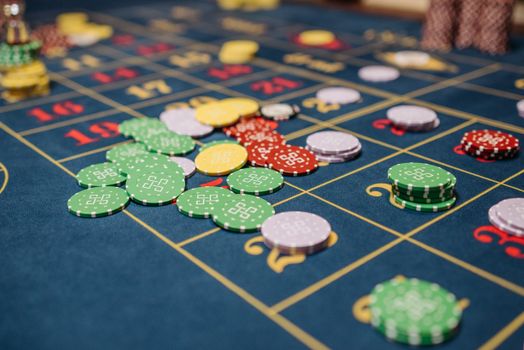
1. Gambler’s Fallacy: This is the mistaken belief that if something happens more frequently than normal during a given period, it will happen less frequently in the future (or vice versa). For example, after seeing a roulette wheel land on black five times in a row, a gambler may believe red is “due.” In reality, each spin is independent, and the odds do not change. 2. Illusion of Control: Gamblers often believe they can influence random outcomes through skill, rituals, or “lucky” actions — such as blowing on dice or choosing specific slot machines. A 2011 survey in Canada found that 45% of regular gamblers felt they could improve their chances with personal strategies, despite overwhelming evidence to the contrary. 3. Confirmation Bias: We tend to remember wins and forget losses, or interpret ambiguous outcomes in ways that reinforce our existing beliefs. This selective memory strengthens the conviction that personal luck plays a significant role in gambling. 4. Hot-Hand Fallacy: When on a winning streak, gamblers may believe their luck will continue, ignoring the statistical fact that each event is independent. Conversely, “cold streaks” are seen as bad luck that must eventually turn around, encouraging risky bets.These biases don’t just shape individual experiences; they influence entire industries. Casino layouts, bright lights, and celebratory sounds are all designed to amplify the illusion of luck and control, keeping players engaged and hopeful.
Luck, Randomness, and the Brain: What Science Reveals
From a neurological perspective, the belief in luck is closely tied to how our brains process randomness and reward. When we gamble, the brain’s reward system releases dopamine, a neurotransmitter associated with pleasure and motivation. This surge is especially strong when rewards are unpredictable — such as when spinning a slot machine.
Research by the University of Cambridge in 2016 showed that gamblers’ brains respond more strongly to near-misses than to actual losses. That is, if a slot machine aligns two matching symbols but just misses the third, the brain reacts almost as if it had won. This “near-miss effect” encourages continued play, as it tricks the mind into thinking a win is imminent.
Another study, published in Nature Neuroscience in 2018, found that people are prone to overestimate their influence over random outcomes, especially when positive results occur early in an activity. This can create a powerful feedback loop: early wins reinforce the illusion of luck or control, while losses are rationalized as temporary setbacks.
Comparing Common Cognitive Biases in Gambling
To better understand how these biases operate, let’s look at a comparison of some of the most common cognitive distortions in gambling:
| Cognitive Bias | Description | Typical Example | Estimated Prevalence |
|---|---|---|---|
| Gambler’s Fallacy | Believing past outcomes affect future results in random events. | “Red hasn’t come up in a while, so it’s due next.” | Up to 80% of roulette players (Journal of Behavioral Decision Making, 2014) |
| Illusion of Control | Overestimating one’s influence over random outcomes. | Throwing dice “just right” to get a certain number. | 45% of regular gamblers (Canadian Journal of Psychiatry, 2011) |
| Confirmation Bias | Interpreting outcomes in ways that confirm existing beliefs. | Remembering big wins, forgetting frequent losses. | Common in 60%+ of surveyed gamblers (Psychology of Addictive Behaviors, 2015) |
| Hot-Hand Fallacy | Believing that a winning streak will continue. | Increasing bets after consecutive wins. | Observed in 70% of sports bettors (Journal of Gambling Studies, 2017) |
These biases are deeply ingrained and can be difficult to overcome, which is partly why gambling can be so addictive and why beliefs in luck persist even among those who understand the mathematics behind the games.
Superstitions, Rituals, and the Search for Meaning
Beyond cognitive biases, superstition plays a significant role in how gamblers interact with luck. Superstitious beliefs — such as wearing a “lucky” shirt or following a specific pre-bet routine — give players a sense of meaning and control in an otherwise unpredictable environment.
A 2020 survey by the National Council on Problem Gambling found that 56% of frequent gamblers admitted to engaging in at least one superstitious ritual during play. These rituals are not limited to casinos; lottery players often buy tickets at “lucky” stores, and sports bettors may watch games from the same chair each time.
Psychologists suggest that these behaviors are a way to cope with uncertainty. When outcomes are random, rituals provide a comforting illusion of influence. While harmless for most, these practices can become problematic if they lead to excessive or compulsive gambling.
Real-World Consequences: Why Understanding Biases Matters
Belief in luck isn’t just a harmless quirk — it can have serious real-world consequences. Cognitive biases contribute to problem gambling by encouraging riskier bets, longer playing sessions, and greater financial losses.
For example, the United States National Council on Problem Gambling estimates that around 2 million Americans (about 1% of adults) are problem gamblers, and another 4-6 million (2-3%) are at risk. Many of these individuals are trapped by the very biases we’ve discussed: chasing losses because they believe their luck will turn, or believing that a personal ritual can reverse a losing streak.
Understanding these biases is crucial not only for individuals but also for policymakers and gambling operators. Many countries now require casinos to display odds prominently and provide information about randomness and gambling addiction. Some online platforms use “reality checks” — pop-up messages reminding players of time spent or money wagered, in an effort to counteract distorted thinking.
Final Thoughts on Cognitive Biases and Luck in Gambling
Our belief in luck is a testament to the complexity of the human mind. Cognitive biases help us navigate a world full of uncertainty, but they also make us vulnerable to the seductive appeal of gambling. By recognizing these mental shortcuts — from the gambler’s fallacy to the illusion of control — we can better understand why so many people remain convinced that luck is more than just random chance.
While luck will always have a place in our stories and dreams, the science is clear: in games of chance, the odds do not bend to hope, rituals, or beliefs. Appreciating this can help us gamble more responsibly and make better decisions, both at the casino and in life.